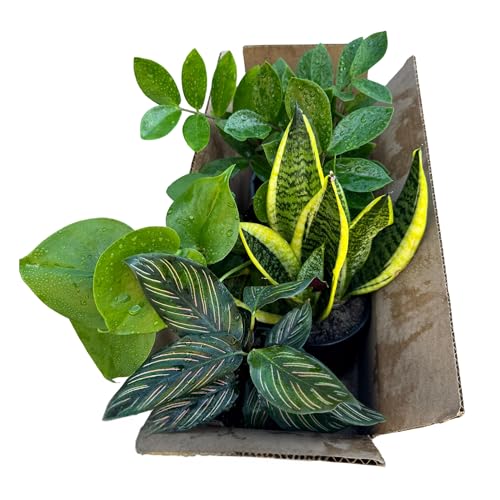
Best Indoor Plants for Air Quality and Low Light
Turn dim, stuffy rooms into fresh, green sanctuaries. These low light houseplants are proven air purifiers that thrive where sunlight is scarce—perfect for bedrooms, offices, and north-facing rooms.
See Our Top PicksTop Indoor Plants for Air Quality and Low Light
Not every plant labeled "low light" is a true shade tolerant air purifier. The best indoor plants for air quality and low light combine two traits: the ability to absorb volatile organic compounds (VOCs) such as formaldehyde, benzene, and xylene, and the resilience to grow in indirect or dim light. The plants below meet both standards and are widely recommended by horticulturists for indoor environments.
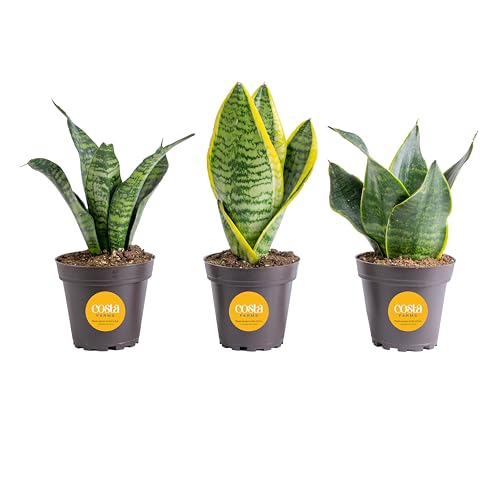
Snake Plant (Sansevieria)
Entry-level · Nearly indestructibleOne of the most forgiving plants available. It tolerates very low light, needs infrequent watering, and is known for filtering benzene, formaldehyde, and trichloroethylene. It is also one of the few plants that releases oxygen at night, making it a great bedroom companion. For a broader look at similar air purifying options, see best plants to purify the air in your home.
Pothos (Epipremnum aureum)
Budget-friendly · Fast growingA trailing vine that thrives in low light and removes formaldehyde and benzene. It adapts to many conditions and is ideal for shelves or hanging baskets. If you prefer plants that combine low light with moisture tolerance, our guide to best indoor plants for low light and high humidity is a useful companion read.
Peace Lily (Spathiphyllum)
Mid-tier · FloweringKnown for filtering several VOCs and producing elegant white blooms. It prefers indirect light and consistent moisture, and it signals thirst with drooping leaves. A classic choice for anyone searching for best indoor plants for low light and clean air.
ZZ Plant (Zamioculcas zamiifolia)
Premium · Minimal maintenanceGlossy, architectural foliage and extreme drought tolerance make it a favorite for low light corners. It filters air pollutants while asking for very little in return. Use quality potting mix—our guide to best potting soil for indoor plants without gnats helps prevent common issues.
Spider Plant (Chlorophytum comosum)
Affordable · Pet-friendlyAn easy, fast-growing plant that removes formaldehyde and carbon monoxide. It tolerates low light and produces offsets you can propagate. A great starter plant for beginners and families.
Chinese Evergreen (Aglaonema)
Mid-range · OrnamentalColorful foliage and strong shade tolerance make it a standout. It filters benzene and formaldehyde and performs well in office lighting. See related shade tolerant selections in our guide to best indoor plants for low light and clean air.
Boston Fern (Nephrolepis exaltata)
High-end · Humidity lovingA lush, feathery fern that is excellent at removing formaldehyde and adding humidity to dry rooms. It needs consistent moisture and indirect light, making it ideal for bathrooms with windows.
African Violet (Saintpaulia)
Premium · Compact bloomerA small flowering plant that handles low light and adds color to desks and windowsills. It is sensitive to overwatering, so well-draining soil matters. Learn more in our dedicated African violets care guide.
| Plant | Light Needs | Watering | Air Quality Benefit | Care Tier |
|---|---|---|---|---|
| Snake Plant | Very low to bright indirect | Every 2–3 weeks | Filters benzene, formaldehyde, TCE | Entry-level |
| Pothos | Low to medium indirect | Every 1–2 weeks | Removes formaldehyde, benzene | Budget-friendly |
| Peace Lily | Low to medium indirect | Weekly, keep moist | Filters multiple VOCs | Mid-tier |
| ZZ Plant | Low to bright indirect | Every 2–3 weeks | Filters common pollutants | Premium |
| Spider Plant | Low to bright indirect | Weekly | Removes formaldehyde, CO | Affordable |
| Chinese Evergreen | Low to medium indirect | Every 1–2 weeks | Filters benzene, formaldehyde | Mid-range |
| Boston Fern | Medium indirect | Keep evenly moist | Removes formaldehyde, adds humidity | High-end |
| African Violet | Medium indirect | When topsoil dries | Improves air freshness | Premium |
How Low Light Plants Improve Indoor Air Quality
Indoor air often contains higher concentrations of pollutants than outdoor air. Volatile organic compounds from furniture, paints, cleaning products, and cooking accumulate in sealed rooms. Low light houseplants absorb these compounds through their leaves and roots, where soil microorganisms help break them down. While no single plant is a substitute for ventilation, a collection of air purifying plants contributes to a cleaner, more comfortable environment. For more options, browse our list of best plants to purify the air in your home.
Understanding "Low Light" Before You Buy
"Low light" does not mean total darkness. It usually means a room that receives indirect sunlight—often several feet from a window or through a sheer curtain. Most of the plants above survive in such conditions, though growth will be slower and watering needs lower. If your space is truly dark, consider supplementing with a small grow light or rotating plants closer to a window for part of the week. Pairing low light plants with the right soil makes a measurable difference—see our recommendations for best potting soil for indoor plants without gnats.
Care Routine for Air Purifying Low Light Plants
Watering
Overwatering is the leading cause of houseplant failure, especially in low light where soil dries slowly. Always check the top inch of soil before watering. Snake plants and ZZ plants prefer to dry out almost completely between waterings, while ferns and peace lilies prefer consistent moisture. For containers and self-watering options, see our guide to the best self-watering system for outdoor potted plants, which can also inform indoor setups.
Light Placement
Place low light plants in north- or east-facing rooms, or several feet back from south- and west-facing windows. Avoid direct afternoon sun, which can scorch leaves. Rotate pots quarterly so growth stays even.
Soil and Pots
Use well-draining potting mix and containers with drainage holes. If you are repotting, choose a pot only slightly larger than the root ball to avoid soggy soil. Our guide to best place to buy pots for plants near me helps you find the right sizes locally.
Fertilizing
Low light plants grow slowly and need less fertilizer. Feed with a balanced liquid fertilizer at half strength during spring and summer, and skip feeding in winter. Avoid over-fertilizing, which can burn roots and attract pests.
Choosing the Right Plants for Each Room
Bedrooms benefit from snake plants, which release oxygen at night. Bathrooms suit Boston ferns and peace lilies that enjoy humidity. Offices and north-facing rooms are ideal for pothos, ZZ plants, and Chinese evergreens. If you are also looking for plants that tolerate shade outdoors, our list of best plants to grow in a raised garden bed includes several versatile options.
Common Mistakes to Avoid
- Watering on a fixed schedule rather than checking soil moisture.
- Placing plants in dark corners with no natural light at all.
- Using pots without drainage holes.
- Fertilizing in winter when growth slows.
- Ignoring pests such as fungus gnats and spider mites—inspect leaves regularly.
If you want to expand your indoor collection beyond low light varieties, explore our broader guide to best indoor plants for air quality and low light and compare options side by side.
Frequently Asked Questions
Which indoor plants are best for air quality and low light?
Snake plants, pothos, peace lilies, ZZ plants, spider plants, Chinese evergreens, and Boston ferns are among the best indoor plants for air quality and low light. They tolerate shade and help filter common indoor pollutants.
Do low light plants really purify indoor air?
Yes, many low light houseplants absorb volatile organic compounds and improve indoor air quality. While their effect is modest compared to ventilation, they still contribute to a healthier home environment.
How often should I water low light indoor plants?
Most low light plants prefer soil to dry out partially between waterings. Water every 1-2 weeks, adjusting for season, pot size, and humidity. Always check soil moisture before watering.
Can low light plants survive in a windowless room?
Most cannot survive indefinitely without any natural light. If your room has no windows, use a grow light or rotate plants to a brighter space for part of each week. Snake plants and ZZ plants are the most tolerant of dim conditions.
Are air purifying plants safe for pets?
Some low light plants, such as peace lilies and pothos, are toxic to cats and dogs if ingested. Spider plants are generally considered pet-friendly. Always verify toxicity before bringing a plant into a home with pets.
Final Thoughts
The best indoor plants for air quality and low light are those that match your room conditions and your maintenance habits. Start with one or two forgiving varieties like snake plants or pothos, build a simple watering routine, and expand gradually. For more inspiration on creating a green, healthy home, explore our related guides and continue learning about best indoor plants for low light and clean air and best indoor plants for low light and high humidity.