Best Way to Get Rid of Crabgrass in Lawn
Eliminate crabgrass for good with our proven, step-by-step guide. From prevention to post-emergent control, restore your lawn's health and beauty.
Why Crabgrass is a Problem
Crabgrass is an aggressive, warm-season annual weed that thrives in thin, stressed lawns. It spreads rapidly, choking out desirable turf grasses and creating unsightly patches. Left unchecked, crabgrass can take over your yard within a single season. The best way to get rid of crabgrass in lawn combines prevention, proper lawn care, and targeted control methods.
In this guide, you'll learn exactly how to eliminate crabgrass and keep it from returning. Whether you prefer organic solutions or effective herbicides, we cover all the options so you can choose the right strategy for your lawn.
1. Prevention: The First Line of Defense
Pre-Emergent Herbicides
Applying a pre-emergent herbicide in early spring is the most effective way to stop crabgrass before it starts. These products create a chemical barrier in the soil that kills crabgrass seeds as they germinate. Timing is critical — apply when soil temperatures reach 55°F for several consecutive days.
Look for products containing prodiamine or dithiopyr. These active ingredients provide season-long control and are safe for established lawns. For best results, follow up with a second application 8–10 weeks later.
Pro tip: Combine pre-emergent with a healthy lawn care routine. A thick, vigorous lawn is your best defense against crabgrass.
2. Cultural Practices to Discourage Crabgrass
Mow High & Water Deeply
Proper mowing and watering practices create an environment where crabgrass struggles to establish. Set your mower blade to 3–4 inches — taller grass shades the soil, reducing crabgrass germination. Water deeply and infrequently (about 1 inch per week) to encourage deep root growth in your lawn grass.
Aeration and overseeding in the fall also help fill thin areas where crabgrass typically takes hold. By improving soil health and grass density, you'll naturally outcompete weeds.
For more lawn care strategies, check out our guide on lawn care and weed control services and learn about the best weed control products.
3. Post-Emergent Crabgrass Killers
When Crabgrass is Already Growing
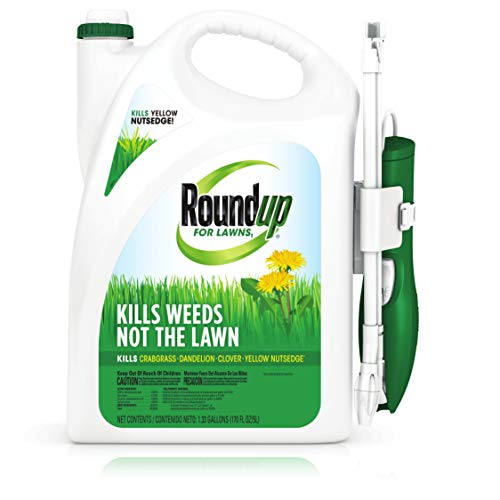
If crabgrass has already emerged, you'll need a post-emergent herbicide. For young crabgrass (under 4 tillers), selective herbicides containing quinclorac or mesotrione are highly effective. These products kill crabgrass without harming most cool-season turf grasses.
For mature crabgrass, you may need a non-selective herbicide like glyphosate, but this will also kill your lawn grass. In that case, spot-treat the weed patches and be prepared to reseed or sod the area.
Always follow label instructions and consider the weather — apply on a calm day when temperatures are between 60–85°F for best absorption.
4. Natural & Organic Crabgrass Control
Eco-Friendly Alternatives
If you prefer to avoid synthetic chemicals, there are effective organic methods to manage crabgrass. Corn gluten meal is a natural pre-emergent that inhibits seed germination. Apply it in early spring, and water it in lightly.
For post-emergent control, vinegar (acetic acid) or boiling water can kill young crabgrass plants — but these are non-selective, so apply carefully to avoid damaging your lawn. Hand-pulling is another option for small infestations, especially when the soil is moist.
Combine these methods with proper lawn care to gradually reduce crabgrass pressure without harsh chemicals. For more organic lawn solutions, see our article on best organic fertilizer and weed killer.
5. A Complete Crabgrass Elimination Plan
Your Action Plan for a Crabgrass-Free Lawn
- Spring: Apply pre-emergent herbicide when soil reaches 55°F. Mow high and water deeply.
- Early Summer: If crabgrass appears, apply a post-emergent selective herbicide (quinclorac or mesotrione).
- Mid-Summer: Spot-treat any surviving plants. Avoid overwatering and continue mowing at 3–4 inches.
- Fall: Aerate and overseed to thicken the lawn. Apply a fall fertilizer to strengthen grass roots.
- Next Spring: Repeat the pre-emergent application. Your lawn will be thicker and more resistant.
By following this plan, you'll see a dramatic reduction in crabgrass within one season. Consistency is key — don't skip steps, and your lawn will reward you with dense, healthy turf.
For additional lawn maintenance tips, explore our articles on getting rid of clover and weed control in driveways.
Frequently Asked Questions
Can I kill crabgrass without killing my lawn?
Yes — use selective post-emergent herbicides like quinclorac or mesotrione, which target crabgrass while sparing most turf grasses. Always check the product label for grass-type compatibility.
When is the best time to apply crabgrass preventer?
Apply pre-emergent in early spring, just before crabgrass seeds germinate. A good rule of thumb is when forsythia blooms or soil temperatures reach 55°F for 3–5 days.
Will crabgrass die in winter?
Crabgrass is an annual weed — it dies with the first hard frost. However, it drops thousands of seeds that will germinate the following spring, so prevention is essential.
Your Next Step
The best way to get rid of crabgrass in lawn is a combination of pre-emergent herbicides, proper lawn care, and timely post-emergent treatments. Start with prevention, stay consistent with maintenance, and your lawn will become too thick and healthy for crabgrass to invade.
Ready to take action? Explore our recommended products below to get started on your journey to a crabgrass-free lawn.