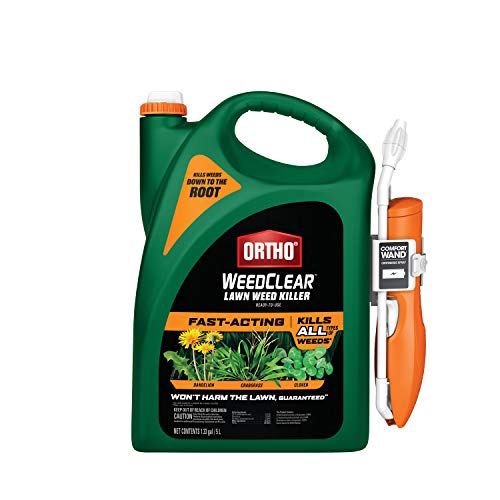
Best Products to Get Rid of Weeds in Your Lawn
Take back your yard with proven weed control solutions. From selective herbicides to natural alternatives, discover the right product for your grass type and weed problem.
See Top RecommendationsWhy Weed Control Matters: Weeds compete with your grass for water, nutrients, and sunlight, weakening your lawn and creating an unsightly appearance. The right weed control product depends on your grass type, the specific weeds you're dealing with, and whether you prefer synthetic or organic solutions. This guide breaks down the best product categories to help you make an informed decision before buying.
Understanding Lawn Weeds Before You Buy
Before choosing a weed control product, identify what you're fighting. Lawn weeds fall into three main categories, and each requires a different approach. For a broader look at lawn maintenance, see our complete lawn care guide.
1. Broadleaf Weeds
These include dandelions, clover, plantain, and thistle. They have broad leaves and grow differently from grass. Selective broadleaf herbicides target these without harming your lawn grass. If clover is your main problem, our guide on the best product to get rid of clover in lawn offers targeted solutions.
2. Grassy Weeds
Crabgrass, bermudagrass, and quackgrass are grassy weeds that look similar to lawn grass but grow aggressively. These require specialized grassy weed killers, and timing is critical. Pre-emergent products work best before seeds germinate. Our grass seed for clay soil guide can help you establish a thicker lawn that naturally resists weeds.
3. Sedges and Grassy-Like Weeds
Nutsedge and similar weeds need specific herbicides called sedge killers. These are often sold separately from standard weed killers and require careful application.
Types of Weed Control Products
Pre-Emergent Herbicides
Applied before weed seeds germinate, typically in early spring. These create a barrier in the soil that stops weeds before they start. Best for preventing crabgrass and annual weeds. Requires precise timing based on soil temperature. For best results, pair with proper aeration tools to improve soil health.
Post-Emergent Selective Herbicides
Kill existing weeds without harming your lawn grass. These are the most common weed killers for broadleaf weeds like dandelions and clover. Available in liquid concentrates or ready-to-spray formulas. Check the label carefully to ensure it's safe for your grass type.
Weed and Feed Products
Combine fertilizer and weed killer in one application. These save time but require careful timing—applying at the wrong time can stress your lawn. Best for lawns that need both feeding and weed control. Look for formulas designed for your specific grass type, such as weed and feed for St. Augustine grass.
Natural and Organic Weed Killers
Ideal for organic gardening and pet-safe lawns. These use ingredients like acetic acid (vinegar), iron, or corn gluten meal. They work best on small weeds and require more frequent application. Our guide on the best organic weed killer that won't kill grass covers top natural options.
Weed Control Product Comparison
Use this comparison to understand which product type fits your situation. Remember, there's no single "best" product—the right choice depends on your specific weeds, grass type, and preferences.
| Product Type | Best For | Application Timing | Grass Safety | Ease of Use |
|---|---|---|---|---|
| Pre-Emergent | Preventing crabgrass and annual weeds | Early spring before germination | Safe when applied correctly | Moderate—timing is critical |
| Post-Emergent Selective | Existing broadleaf weeds | When weeds are actively growing | Safe for listed grass types | Easy—spray and go |
| Weed and Feed | Combined feeding and weed control | Spring or fall, depending on formula | Check label for grass compatibility | Easy—one-step application |
| Natural/Organic | Small weeds, organic lawns | When weeds are small and actively growing | Generally safe but less selective | Easy—may need repeat applications |
| Non-Selective | Hardscaping areas, not lawns | Any time, but avoid drift | Kills all vegetation—not for lawns | Moderate—use with caution |
Key Features to Look For in Weed Killers
- Grass-Type Compatibility: Always verify the product is labeled safe for your specific grass. St. Augustine and centipede grasses are sensitive to certain herbicides like 2,4-D. Our guide on the best liquid weed and feed concentrate for sprayers highlights grass-safe formulas.
- Weed Spectrum: Some products target broadleaf weeds only, while others handle grassy weeds. Choose based on what's actually growing in your lawn.
- Application Method: Ready-to-spray bottles are convenient for small areas. Concentrates are more economical for large lawns and let you mix custom batches with a sprayer.
- Rainfastness: If rain is common in your area, choose a product that becomes rainfast within a few hours of application.
- Pet and Child Safety: Check the label for re-entry intervals. Organic options are often safer for pets and children, though they may require more frequent use.
- Temperature Restrictions: Most herbicides work best between 60°F and 85°F. Applying during extreme heat can damage your lawn. For summer applications, ensure your irrigation system is keeping grass healthy and stress-free.
Tips for Applying Weed Killer Effectively
Even the best product won't work if applied incorrectly. Follow these guidelines for optimal results:
- Apply at the Right Time: Post-emergent herbicides work best when weeds are actively growing—typically spring or early fall. Avoid applying during drought or extreme heat. For pre-emergents, track soil temperature; crabgrass germinates when soil reaches about 55°F.
- Don't Mow Before Applying: Wait 2-3 days after mowing before applying weed killer. Mowing opens wounds on weeds that can reduce herbicide absorption, and you want good leaf surface for the product to work.
- Water Appropriately: Don't water your lawn for at least 24 hours after applying post-emergent herbicides. For pre-emergents, watering after application helps activate the chemical barrier.
- Calibrate Your Sprayer: If using a concentrate, ensure your sprayer delivers the correct rate. Too much can damage grass; too little won't kill weeds.
- Spot Treat When Possible: For small weed patches, spot spraying saves product and reduces environmental impact. A garden hose with pressure washer can help clean equipment after use.
- Overseed After Weed Control: Once weeds are under control, overseed bare spots to prevent new weeds from taking over. Our self-propelled mower guide can help you maintain a healthy, thick lawn.
Organic vs. Synthetic Weed Killers: Which Is Right for You?
Both approaches have merits. Synthetic herbicides generally offer faster, more complete control and are more selective. Organic options are safer for pets and beneficial insects but may require multiple applications and work best on small weeds.
If you prefer organic lawn care, our guide on the best organic fertilizer and weed killer for lawn covers products that feed your grass while suppressing weeds. For natural spot treatment, the best natural weed killer that won't kill grass guide recommends pet-safe options.
Frequently Asked Questions
What is the best product to get rid of weeds in lawn?
The best product depends on your grass type and weed problem. For broadleaf weeds, a selective post-emergent herbicide is ideal. For preventing weeds, a pre-emergent herbicide applied in spring works best. For organic options, natural weed killers with acetic acid or iron-based formulas are effective. Always match the product to your specific situation.
When should I apply weed killer to my lawn?
Apply post-emergent weed killers when weeds are actively growing, typically in spring or early fall. Pre-emergent herbicides should be applied before weed seeds germinate, usually in early spring when soil temperatures reach 55°F. Avoid applying during drought, extreme heat, or right before rain.
Will weed killer damage my grass?
Selective herbicides are formulated to target specific weeds without harming your lawn grass when used correctly. Always check the label to ensure the product is safe for your grass type. Non-selective herbicides will kill all vegetation and should be used carefully around lawns.
How long does it take for weed killer to work?
Most post-emergent herbicides show visible results within 7-14 days, though some products work faster. The weeds will gradually yellow, wilt, and die. Pre-emergents work by preventing germination, so you won't see immediate results—their effectiveness shows by the absence of new weeds.
Can I use weed killer and fertilizer at the same time?
Weed and feed products combine both, but they must be timed correctly. Applying weed killer to a stressed lawn can cause damage. If your lawn needs fertilizer more urgently than weed control, address feeding first, then treat weeds when grass is healthy and actively growing.
Ready to Reclaim Your Lawn?
Browse our top-rated weed control products below. Whether you need a pre-emergent for spring prevention or a post-emergent for existing weeds, you'll find options suited to your lawn and budget.
View Recommended Products