Best Grass Seed for Clay Soil and Full Sun
Transform your compacted, sun-baked clay into a resilient, green lawn. This guide cuts through the confusion so you can choose the right seed with confidence.
Why clay soil and full sun is a tough combination: Clay particles are tiny and tightly packed, which means water drains slowly and roots struggle to push through. Add eight or more hours of direct sun, and you have a recipe for heat stress, drought stress, and poor germination. The grass you choose must have deep roots, heat tolerance, and the ability to establish quickly before the summer sun takes its toll.
Why Turf-Type Tall Fescue Is the Clear Winner
After years of testing and research from extension services across the country, one grass type consistently rises to the top for this specific challenge: turf-type tall fescue. Unlike common pasture-type fescue (often sold as “K-31”), turf-type varieties have been bred for finer texture, deeper green color, and superior disease resistance. Colorado State University Extension notes that tall fescue establishes quickly, is wear-tolerant, and possesses excellent heat and cold tolerance — all critical for full-sun clay sites [citation:2].
The secret lies underground. Tall fescue develops a deep, aggressive root system that can reach several feet into the soil profile. These roots are the plant’s survival mechanism — they access moisture that shallow-rooted grasses simply cannot reach. When you are dealing with clay that holds water unevenly and bakes hard in the sun, that deep rooting habit is not a luxury; it is a necessity. For homeowners looking to pair their lawn efforts with broader landscape improvements, understanding how soil preparation fits into the bigger picture is essential — much like planning a raised garden bed requires attention to soil structure and drainage.
Key Advantages of Turf-Type Tall Fescue for Clay and Sun
- Deep root system — penetrates compacted clay layers and reaches moisture that other grasses miss
- Excellent heat tolerance — thrives through scorching summers that cause Kentucky bluegrass to go dormant
- Drought resistance — once established, requires less supplemental irrigation than many alternatives
- Few disease and insect problems — compared to Kentucky bluegrass, tall fescue is notably more trouble-free
- Quick establishment — germinates and fills in faster than slow-starting warm-season grasses
- Wear tolerance — handles foot traffic from kids and pets better than fine fescues
If your property includes different zones with varying light and soil conditions, you may find that a single grass type does not cover every area. For sunny, sandy patches, a different approach may be needed — see our guide on best grass seed for full sun and sandy soil to address those spots separately.
What to Look For in a Seed Blend
You will rarely find a single-variety tall fescue seed on the consumer market. Instead, reputable brands sell blends of two to five turf-type tall fescue varieties. This is intentional. A blend spreads genetic risk — if one variety struggles with a particular disease or stress, another variety in the mix may perform better. Colorado State Extension specifically recommends blends over single varieties for home lawns, noting they are ideal and generally more reliable [citation:2].
What a Quality Blend Should Contain
✔ Multiple named turf-type tall fescue varieties. Look for specific cultivar names on the label, not just “tall fescue.” Named varieties indicate the breeder has invested in performance testing.
✔ Zero or very low annual ryegrass content. Annual ryegrass germinates fast and looks green quickly, but it dies after one season. Some budget mixes use it as filler. A quality blend should be predominantly perennial turf-type fescue.
✔ Endophyte-enhanced varieties (optional but beneficial). Endophytes are naturally occurring fungi that help the grass resist surface-feeding insects. Many premium blends include endophytic tall fescues for this reason.
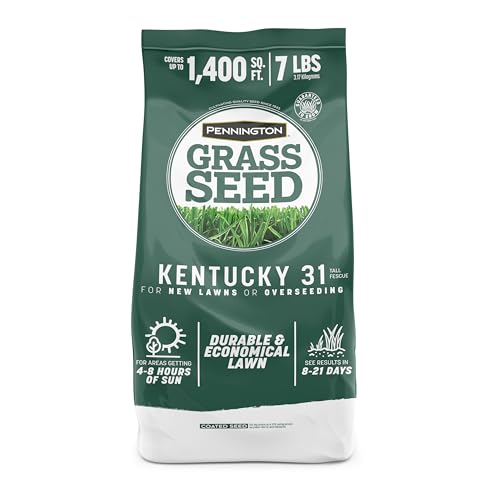
✘ Avoid “K-31” or “Kentucky 31.” These pasture-type fescues are coarser, lighter green, and offer inferior turf quality. They are inexpensive but disappointing for a home lawn [citation:2].
Establishment Tips for Clay Soil
Even the best seed will struggle if you simply scatter it onto hard, unamended clay. A few preparation steps make an enormous difference. First, do not try to dig or till wet clay — you will create brick-like clods. Wait until the soil is slightly moist but crumbly. Core aeration before seeding is highly recommended for compacted lawns; it pulls plugs of soil out and creates channels for roots and water. If you are renovating an existing lawn, consider a dedicated aeration tool to open up the surface before overseeding.
When seeding, aim for a rate of 6 to 8 pounds per 1,000 square feet for a new tall fescue lawn, as recommended by extension sources [citation:2][citation:5]. For overseeding into an existing thin lawn, 4 to 5 pounds per 1,000 square feet is typical. Cover the seed lightly with a thin layer of compost or peat moss — no more than a quarter inch — to retain moisture without smothering the seedlings. Keep the surface consistently moist (not soggy) until germination, which typically occurs in 7 to 14 days for fresh, quality seed.
Ready to Choose Your Seed?
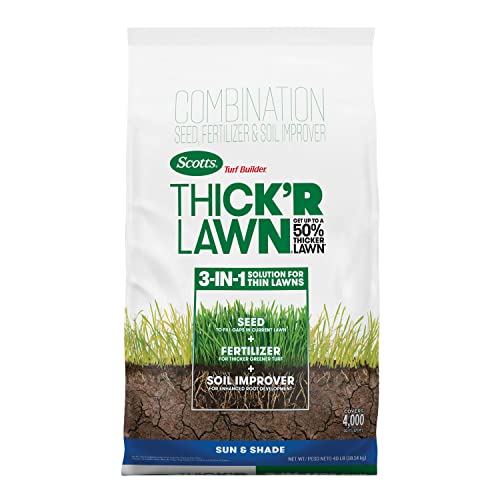
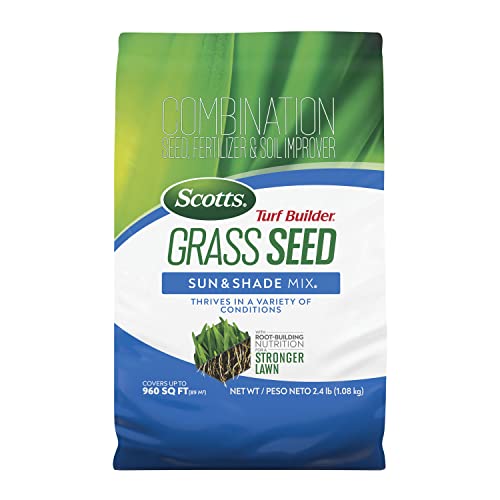
Browse our curated selection of top-rated grass seed products for clay soil and full sun. Each option is selected for quality, germination rates, and suitability for challenging lawn conditions.
View Recommended Products ↓Common Mistakes to Avoid
Seeding at the wrong time. Tall fescue is a cool-season grass. The ideal windows are early autumn (late August through September) and early spring (March through April). Summer seeding in full-sun clay is risky — the surface dries too fast and seedlings scorch before their roots are deep enough. If you must seed in summer, be prepared to water lightly and frequently, sometimes twice a day, until germination is complete.
Skipping soil contact. Grass seed needs direct contact with soil to absorb moisture. Broadcasting onto a thick layer of dead thatch or hard, smooth clay without scratching the surface first is a common reason for patchy results. A light raking or core aeration before seeding solves this problem.
Overwatering clay. Because clay drains slowly, it is easy to create a muddy, oxygen-starved mess that rots seed before it germinates. Water in short bursts, let the surface dry slightly between mistings, and never leave standing water. Once the grass is established, tall fescue on clay typically needs about one inch of water per week from rain or irrigation — but always check the soil moisture by hand rather than following a rigid schedule.
For those managing broader lawn care challenges alongside their seeding project, resources on weed control and organic lawn treatments can help you protect your new grass as it matures.