
Best Natural Weed Killer That Won't Kill Grass
Reclaim your lawn without sacrificing your turf. This research-backed guide compares organic, selective, and pet-safe weed killers so you can choose the right formula for your grass type, climate, and lifestyle.
See Top Natural Weed Killer OptionsWhy this guide exists: If you have ever sprayed a so-called "natural" weed killer on a dandelion only to watch a brown circle spread across your lawn, you already know the pain of using the wrong formula. Most natural weed killers are non-selective, meaning they kill anything green they touch. The good news is that selective, plant-based options now exist that knock down broadleaf weeds while leaving established turf grasses intact. This guide explains exactly how those products work, which ingredients to look for, and how to apply them safely for lasting results.
Top Natural Weed Killer Picks by Lawn Situation
Below is a quick comparison of the major categories of natural weed killers that are designed to protect grass. Each entry uses a universal quality tier descriptor instead of pricing, so this table stays accurate and relevant for years.
| Product Category | Best For | Target Weeds | Grass Safety | Quality Tier |
|---|---|---|---|---|
| Iron-based selective herbicide (FeHEDTA) | Broadleaf weeds in cool and warm-season lawns | Dandelion, clover, plantain, chickweed | High when used on labeled turf grasses | Mid-range |
| Concentrated acetic acid selective formula | Spot treatment on patios and lawn edges | Annual weeds, moss, young broadleaf seedlings | Moderate — requires careful spot application | Entry-level |
| Corn gluten meal pre-emergent | Preventing crabgrass and broadleaf seeds from sprouting | Seed-stage weeds (crabgrass, pigweed) | Very high — safe on established turf | Budget-friendly |
| Plant-oil and soap-based selective spray | Small lawns and organic gardens | Chickweed, henbit, young dandelions | High when applied to labeled grasses | Mid-tier |
| Pelargonic acid spot treatment | Hardscape cracks and mulch beds | Broadleaf and grassy weeds in non-lawn areas | Low on turf — keep away from lawn | Premium |
For a direct comparison of ready-to-use formulas, see our dedicated page on the best natural weed killer that won't kill grass and our roundup of the best organic weed killer that won't kill grass. Both pages break down ingredient lists, application rates, and grass-type compatibility in greater detail.
Strengths of Natural Selective Weed Killers
- Lower synthetic chemical load for families and pets
- Grass-safe when matched to your turf type
- Ideal for spot treatment and small lawns
- Break down quickly in soil and sunlight
Limitations to Understand
- Slower visible results than synthetic herbicides
- May require repeat applications on tough weeds
- Non-selective formulas can still burn grass on contact
- Timing is critical — avoid applying before rain
How Natural Weed Killers Can Spare Your Grass
The core principle behind a grass-safe natural weed killer is selectivity. Rather than scorching every green surface with acid or salt, selective formulas exploit differences in leaf structure, growth habit, and metabolism between broadleaf weeds and turf grasses. Turf grasses have narrow, waxy blades that shed spray droplets quickly, while broadleaf weeds like dandelions and clover have wide, soft leaves that absorb the active ingredient and dry out.
Iron-based herbicides, for example, work by disrupting a weed's ability to produce chlorophyll, causing broadleaf weeds to wither while established grass tolerates the same dosage. Corn gluten meal works differently: it suppresses root formation in germinating seeds, which stops crabgrass before it emerges without harming mature turf roots. Understanding this mechanism helps you choose the right product for your stage of lawn care and avoids the classic mistake of treating a whole lawn with a non-selective vinegar spray.
Important: No natural weed killer is universally grass-safe. Always confirm the product label lists your specific grass type — St. Augustine, Bermuda, Zoysia, Fescue, or Kentucky Bluegrass. If your lawn needs broader maintenance, review our guides on grass seed for clay soil and full sun and grass seed for sandy soil before reseeding after treatment.
Ingredient Deep-Dive: What Actually Works
1. Iron-Based Selective Herbicides (FeHEDTA)
These are the most reliable "won't kill grass" natural options for homeowners. The active ingredient, iron hydroxyethylenediaminetriacetic acid, is a chelated iron compound that is generally recognized as safe for use on lawns. It causes broadleaf weeds to desiccate while turf grasses metabolize it without damage. Apply on a calm day and avoid mowing for several days before and after treatment so the weed leaves have enough surface area to absorb the formula.
2. Concentrated Acetic Acid
Acetic acid at concentrations above 20% is an effective contact herbicide, but it is non-selective at high strength. Only use it as a spot treatment on driveways, patios, and mulch beds — never broadcast it across a lawn. Lower-concentration acetic acid formulas that are marketed as selective are safer for turf, but they work best on young, tender weeds. For a full comparison, visit our organic weed killer that won't kill grass guide.
3. Corn Gluten Meal
This is a pre-emergent, not a post-emergent. It prevents weed seeds from establishing roots, so it is applied in early spring before crabgrass germinates. It will not kill existing weeds, but it is one of the safest natural options for established lawns. Pair it with a post-emergent selective spray for visible weeds already growing. Learn more about seasonal timing in our crabgrass control guide.
4. Plant-Oil and Soap-Based Sprays
These formulations use fatty acids, citrus oils, or potassium salts to strip the waxy coating off weed leaves and cause dehydration. They are most effective on young, annual broadleaf weeds and work well in organic lawn programs. Because they are contact-based, thorough coverage is essential, and repeat applications may be needed on mature dandelions.
5. Pelargonic Acid
Derived from plants, pelargonic acid is a fast-acting contact herbicide that burns down top growth. It is non-selective and should never be sprayed on turf — use it only in hardscape cracks, gravel paths, and mulch beds. Its main advantage is rapid visible results, but it does not kill deep roots, so perennial weeds may regrow.
Grass-Type Compatibility: Match the Product to Your Lawn
The biggest reason natural weed killers fail to protect grass is a mismatch between the product and the turf species. Use the table below as a quick reference before you buy:
| Grass Type | Safe Natural Option | Application Timing | Notes |
|---|---|---|---|
| St. Augustine | Iron-based selective herbicide | Spring and fall when weeds are growing | Use lower rates; St. Augustine is sensitive to over-application |
| Bermuda | Iron-based + corn gluten meal | Late spring pre-emergent, summer post-emergent | Bermuda tolerates iron formulas well when actively growing |
| Zoysia | Plant-oil selective spray | Early summer | Avoid high-heat application to reduce stress |
| Fescue | Corn gluten meal pre-emergent | Early spring and early fall | Pair with spot treatment on broadleaf weeds |
| Kentucky Bluegrass | Iron-based selective herbicide | Spring and fall | Apply when rain is not forecast for 24 hours |
How to Apply Natural Weed Killer Without Damaging Grass
- Identify the weed and the grass. Confirm both species before you buy. A product safe for Bermuda may stress St. Augustine. Use our lawn weed identification guide if you are unsure.
- Read the label for grass compatibility. Reputable manufacturers list approved turf types on the label. If your grass is not listed, do not apply it to the whole lawn.
- Spot-test first. Treat a small 3×3 foot patch and wait 7–10 days to confirm no turf discoloration before treating a larger area.
- Apply under the right conditions. Choose a calm, dry day with temperatures between 60°F and 85°F. Avoid application before rain or when the lawn is drought-stressed.
- Use the correct nozzle and pressure. A coarse spray reduces drift onto desirable plants. Keep the wand low and target weed foliage directly.
- Do not mow for 3–4 days before or after. Weed leaves need surface area to absorb the formula, and mowing too soon removes the treated tissue.
- Reapply only as directed. Natural formulas often need a second pass 10–14 days later for perennial weeds. Over-application is the most common cause of turf damage.
Best Timing
Apply post-emergent formulas in early morning or late afternoon when weeds are actively growing and evaporation is low.
Weather Watch
Skip application if rain is forecast within 24 hours — most natural formulas need time to absorb before being washed off.
Pet Safety
Keep pets and children off treated areas until the product has dried completely, and always follow the label re-entry time.
Prevent Rebound
Combine post-emergent spot treatment with a corn gluten meal pre-emergent in spring to stop new weed seeds from sprouting.
Organic and Pet-Safe Considerations
Homeowners with dogs, cats, or young children often prioritize organic and pet-safe weed control. The good news is that iron-based selective herbicides and corn gluten meal are considered low-risk when used according to label directions. Plant-oil sprays also break down quickly, but they can irritate eyes and skin during application, so wear gloves and eye protection.
If your priority is a fully organic lawn program, combine a corn gluten meal pre-emergent with spot treatments of a selective plant-oil spray. For broader lawn health, pair weed control with proper fertilization — our organic fertilizer and weed killer guide explains how to build a program that strengthens turf so weeds have less room to establish.
Pet owners should also check our organic weed killer that won't kill grass page, which highlights formulas with the shortest re-entry times and the lowest reported irritation risk.
Common Mistakes That Kill Grass
- Using household vinegar on the whole lawn. Standard 5% vinegar is non-selective and will burn grass blades on contact. Use only selective, labeled formulas on turf.
- Applying in full sun during a heatwave. High temperatures increase the risk of turf burn even with selective products. Apply during mild weather.
- Over-spraying. More product does not mean faster results — it means higher turf stress. Follow the label rate exactly.
- Treating dormant or drought-stressed grass. Grass under stress cannot metabolize the formula and is more likely to be damaged.
- Skipping the pre-emergent step. Post-emergent sprays kill visible weeds but do nothing to stop the next generation of seeds. Add corn gluten meal in spring.
Frequently Asked Questions
What is the best natural weed killer that won't kill grass?
The best natural weed killer that won't kill grass is a selective, plant-based formula that targets broadleaf weeds while leaving turf grasses unharmed. Look for products built around iron-based chelates (FeHEDTA), corn gluten meal for pre-emergent control, or plant-oil sprays — and always confirm the label lists your specific grass type as safe.
Does vinegar kill grass too?
Household vinegar is non-selective and can burn grass if it contacts the blades. Concentrated acetic acid products formulated as selective lawn weed killers are safer for turf because they are designed to knock down broadleaf weeds without permanently damaging established grass. Never broadcast standard vinegar across a lawn.
Are natural weed killers safe for pets?
Many natural and organic weed killers are lower in synthetic residue, but safety depends on the specific ingredients and label directions. Always read the label for re-entry times and keep pets off treated areas until the product has fully dried. Iron-based and corn gluten products are generally considered low-risk when used as directed.
When should I apply natural weed killer to my lawn?
Apply on a calm, dry day when weeds are actively growing and rain is not expected for at least 24 hours. Early morning or late afternoon application reduces evaporation and improves absorption while limiting stress on surrounding turf. Avoid applying during heatwaves or when the lawn is drought-stressed.
Can I use natural weed killer on St. Augustine grass?
Yes, but choose carefully. Iron-based selective herbicides are the safest natural post-emergent option for St. Augustine. Use lower application rates and test a small patch first, since St. Augustine is more sensitive to over-application than Bermuda or Fescue.
How long does natural weed killer take to work?
Iron-based formulas typically show visible wilting within 24–48 hours, with full die-back in 1–2 weeks. Plant-oil sprays act faster on contact but may require repeat applications. Corn gluten meal works preventively and shows results over several weeks as seeds fail to establish.
Recommended Natural Weed Killers & Lawn Care Products
⚠️ AFFILIATE DISCLOSURE: This website contains affiliate links. As an Amazon Associate, we earn from qualifying purchases. If you make a purchase through these links, we may receive a small commission at no additional cost to you. Read our full affiliate policy.

Natural Elements Weed Killer | Pet Safe, Safe Around Children | Natural Herbicide (1 Gallon)
Check price on Amazon
Natural Armor Weed & Grass Killer - 1 Gallon (128 oz) w/Sprayer (128 OZ. Gallon)
Check price on Amazon
Ortho WeedClear Weed Killer for Lawns with Comfort Wand, 1 gal. | Lawn Weed Killer Spray, Won't Harm Grass When Used as Directed, Kills over 250 Listed Weeds Including Dandelion and Clover
Check price on Amazon
Natural Elements Weed Killer | Pet Safe, Safe Around Children | Natural Herbicide (1 Gallon) (Pack of 2)
Check price on Amazon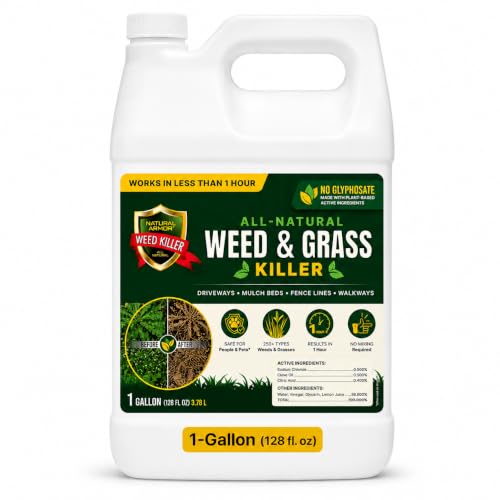
Natural Armor Weed & Grass Killer - 1 Gallon (128 oz Gallon Refill) | Works In Less Than 1-Hour Natural Weed & Grass Killer No Glyphosate
Check price on Amazon
Earth's Ally Grass & Weed Killer Spray, 1 Gallon | Natural OMRI Listed Glyphosate-Free Herbicide for Patios, Driveways - Ready-to-Use Weed Spray - Bee, Kid, Pet Safe Formula
Check price on Amazon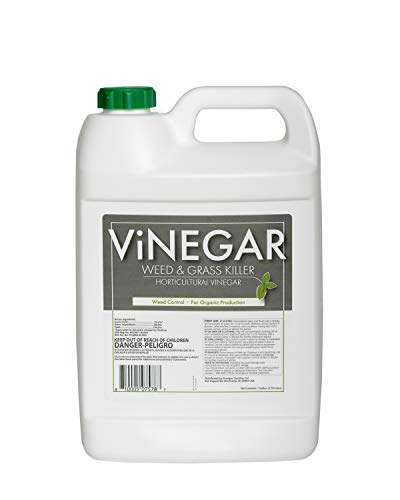
Energen Carolina LLC 578 Vinegar Weed & Grass Killer Approved for Organic Production Pet Safe Glyphosate Free Herbicide, Gallon 1, Yellow
Check price on Amazon
Vinegar Weed & Grass Killer with Sprayer – Weed & Grass Killer Approved for Organic Production | Pet Safe | Glyphosate Free Herbicide - 1 Gallon with Sprayer
Check price on AmazonReady to Reclaim Your Lawn?
Explore our full collection of organic and selective weed control guides to build a lawn care program that protects your grass while eliminating weeds for good.
See Organic Weed Killer Options