Best Way to Get Rid of Dandelions and Crabgrass
Your complete guide to identifying, treating, and preventing dandelions and crabgrass. Achieve a thick, healthy lawn that naturally resists weeds.
Let Gardening help you win the battle against dandelions and crabgrass. These two are among the most common and frustrating lawn weeds. Dandelions (broadleaf) and crabgrass (grassy weed) have different life cycles and require distinct control strategies. But with the right approach—combining prevention, cultural practices, and targeted treatments—you can eliminate them and keep your lawn looking its best. This guide covers everything you need to know, from identification to long-term prevention.
Know Your Enemy: Dandelions vs. Crabgrass
🌿 Dandelions (Broadleaf)
- Type: Perennial broadleaf weed
- Appearance: Jagged, toothy leaves; bright yellow flowers; fluffy white seed heads
- Life Cycle: Perennial, spreads by seeds and taproot
- Peak Season: Spring and fall
- Weakness: Susceptible to selective broadleaf herbicides; can be dug out with a weeding tool
🌾 Crabgrass (Grassy Weed)
- Type: Annual grassy weed
- Appearance: Low-growing, spreading stems; light green color; crab-like growth habit
- Life Cycle: Annual, germinates from seed each spring
- Peak Season: Summer (warm-season weed)
- Weakness: Prevent germination with pre-emergent herbicides; cannot survive dense, healthy turf
Step-by-Step Weed Control Strategy
Step 1: Identify and Map Your Weeds
Walk your lawn and note where dandelions and crabgrass are most prevalent. Dandelions often appear in thin or compacted areas, while crabgrass thrives in bare spots, along driveways, and in full sun. Mapping helps you target treatments efficiently. For dandelions, you'll see rosettes of leaves and yellow flowers; crabgrass looks like a low, sprawling clump. Knowing what you're dealing with is the first step to success.
Step 2: Apply Pre-Emergent Herbicide for Crabgrass
The best way to stop crabgrass is to prevent it from germinating. Apply a pre-emergent herbicide in early spring when soil temperatures reach about 55°F (13°C) for several consecutive days—typically when forsythia blooms. Products containing prodiamine or dithiopyr are highly effective. This creates a barrier in the soil that kills crabgrass seedlings as they sprout. Timing is critical; a second application 8–10 weeks later can extend control through summer.
If you missed the spring window, you'll need to use a post-emergent herbicide designed for grassy weeds, but pre-emergent is always the preferred strategy.
Step 3: Use Selective Herbicides for Dandelions
Dandelions are best controlled with selective broadleaf herbicides applied in spring or fall when the weeds are actively growing. Look for products containing 2,4-D, dicamba, or MCPP. These kill dandelions without harming most lawn grasses. For best results, apply when temperatures are between 60°F and 85°F (15°C–29°C) and avoid mowing for a few days before and after treatment to ensure the herbicide is absorbed through the leaves.
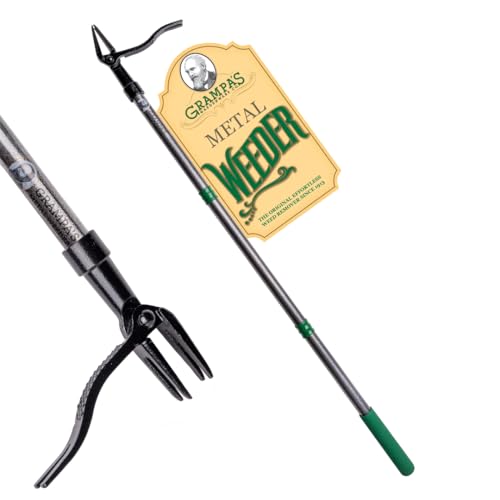
For a more natural approach, use a dandelion weeder to remove the deep taproot—but be thorough, as any root left behind can regrow.
Step 4: Improve Lawn Density and Health
The ultimate long-term solution is a dense, healthy lawn that crowds out weeds. Overseed in fall with grass varieties suited to your region. Fertilize with a slow-release nitrogen fertilizer to promote strong root growth. Mow high (3–4 inches) to shade the soil, which discourages crabgrass germination. Water deeply and infrequently to encourage deep roots. A thick lawn is your best defense against both dandelions and crabgrass.
Step 5: Spot Treatment and Ongoing Maintenance
Even with the best prevention, some weeds will appear. For dandelions, use a spot spray with a broadleaf herbicide or physically remove them with a weeding tool. For crabgrass, if you see a few plants, you can pull them out (they are annuals and will die in winter) or use a post-emergent crabgrass killer. Regular monitoring and quick action prevent weeds from spreading and going to seed.
Comparison of Control Methods
| Method | Best For | Application Timing | Effectiveness |
|---|---|---|---|
| Pre-emergent Herbicide | Crabgrass prevention | Early spring (soil 55°F) | ★★★★★ (if timed correctly) |
| Selective Broadleaf Herbicide | Dandelions (and other broadleaf weeds) | Spring or fall (active growth) | ★★★★☆ |
| Physical Removal (Weeding Tool) | Dandelions (small infestations) | Any time, best when soil is moist | ★★★☆☆ (labor-intensive) |
| Post-emergent Crabgrass Killer | Established crabgrass plants | Summer (young plants) | ★★★☆☆ |
| Lawn Overseeding & Fertilizing | Prevention for both weeds | Fall (for cool-season grasses) | ★★★★★ (long-term) |
🌱 Organic & Natural Options: If you prefer to avoid chemicals, consider corn gluten meal as a natural pre-emergent for crabgrass. For dandelions, use a solution of vinegar (20% acetic acid) as a spot treatment, but be careful—it's non-selective and will kill grass. Boiling water poured directly on dandelions also works for small patches. A healthy, well-maintained lawn is the best organic defense.
Pro Tips for a Weed-Free Lawn
✂️ Mowing Matters
Never mow lower than 3 inches. Taller grass shades the soil, reducing crabgrass germination, and promotes deeper roots that outcompete weeds.
💧 Water Wisely
Water deeply (1 inch per week) and less frequently. Shallow, frequent watering encourages crabgrass and shallow roots. Morning watering is best to reduce disease.
🌾 Overseed Every Fall
Overseeding with a high-quality grass seed blend (matching your lawn type) thickens the turf, filling in bare spots before crabgrass can take hold in spring.
🧪 Soil Test
Test your soil pH and nutrient levels. Ideal pH for most lawns is 6.0–7.0. Proper pH and balanced nutrients (especially nitrogen) promote healthy grass that resists weeds.
Looking for more lawn care advice? Check out our guide on lawn and garden basics, or explore the best grass seed for full sun and sandy soil to establish a resilient lawn. For general weed control, our article on weeds in driveway cracks might also be useful. And if you're looking for a slow-release lawn fertilizer to feed your turf, we have recommendations for that too.
Key Takeaway: The best way to get rid of dandelions and crabgrass is a two-pronged approach: prevention (pre-emergent for crabgrass, dense lawn for both) and targeted treatment (selective herbicides for dandelions, spot treatments). With consistent care, you can have the weed-free lawn you've always wanted.