Best Way to Get Rid of Weeds in Your Lawn
Discover proven strategies to eliminate weeds and maintain a lush, healthy lawn. From pre-emergent herbicides to organic solutions, we cover everything you need to know for a weed-free yard.
Explore Weed Control StrategiesWeeds are the bane of every lawn enthusiast's existence. They compete with your grass for water, nutrients, and sunlight, leaving your yard looking patchy and unhealthy. The best way to get rid of weeds in your lawn involves a multi-pronged approach: prevention, early intervention, and consistent maintenance. Whether you're dealing with dandelions, crabgrass, or clover, understanding the right strategy is key to long-term success.
Let gardening be your guide to a weed-free paradise. We'll walk you through the most effective methods, from chemical herbicides to natural remedies, ensuring you can choose the approach that aligns with your lawn care philosophy and schedule.
Understanding Your Enemy: Types of Lawn Weeds
Before you can effectively eliminate weeds, it's important to know what you're dealing with. Weeds generally fall into three categories:
- Broadleaf Weeds: These include dandelions, clover, and chickweed. They have wider leaves and are often easier to spot and treat with selective herbicides.
- Grassy Weeds: Examples include crabgrass and foxtail. They resemble grass but grow differently and are often more challenging to control without damaging your lawn.
- Grass-like Weeds: Such as nutsedge and wild garlic. These have a similar appearance to grass but are distinct species that require specific control methods.
💡 Pro Tip: Accurate identification is the first step to effective weed control. Use a plant identification app or consult your local extension service to identify the weeds in your lawn before choosing a treatment.
Best Way to Get Rid of Weeds in Your Lawn: A Step-by-Step Guide
The most effective weed control strategy combines prevention, cultural practices, and targeted treatments. Here's a comprehensive approach to achieve a weed-free lawn.
1. Prevention: Stop Weeds Before They Start
The best way to get rid of weeds is to prevent them from germinating in the first place. A healthy, dense lawn is your first line of defense against weeds. When grass is thick and vigorous, it leaves little room for weeds to establish.
- Proper Mowing: Mow your lawn at the correct height for your grass type. Taller grass shades the soil, preventing weed seeds from getting the sunlight they need to germinate.
- Fertilization: A well-fed lawn is a strong lawn. Use a balanced fertilizer to promote healthy grass growth, which naturally outcompetes weeds.
- Watering Deeply and Infrequently: This encourages deep root growth, making your grass more resilient and less susceptible to weed invasion.
- Apply Pre-Emergent Herbicides: These are applied in early spring before weed seeds germinate. They create a barrier in the soil that prevents weed seeds from sprouting. This is a highly effective way to get rid of weeds in your lawn before they even appear.
For a deeper dive into lawn maintenance, check out our guide on lawn care.
2. Cultural Practices: Make Your Lawn Unwelcoming to Weeds
Certain lawn care practices can significantly reduce weed pressure. By creating an environment where grass thrives and weeds struggle, you can minimize the need for herbicides.
- Aeration: Aerating your lawn reduces soil compaction, allowing water, air, and nutrients to reach the grass roots. This promotes a healthier lawn that can better resist weeds.
- Overseeding: Thickening your lawn with new grass seed fills in bare spots, leaving no room for weeds to take hold.
- Correct Soil pH: Most grasses prefer a slightly acidic soil pH (6.0-7.0). Testing and adjusting your soil pH can help your grass thrive and outcompete weeds.
If you're struggling with specific weeds like dandelions, our guide on best way to get rid of dandelions in your lawn can provide targeted advice.
3. Post-Emergent Weed Control: Eliminating Existing Weeds
When weeds have already appeared, you need to take action. Post-emergent herbicides are designed to kill weeds that are actively growing. These come in two main types:
- Selective Herbicides: These target specific types of weeds (e.g., broadleaf weeds) without harming your grass. Products containing 2,4-D, dicamba, or MCPP are common examples.
- Non-Selective Herbicides: These kill any plant they come into contact with, including your grass. They should be used only for spot treatment of stubborn weeds or for clearing entire areas before replanting. Glyphosate is a common active ingredient.
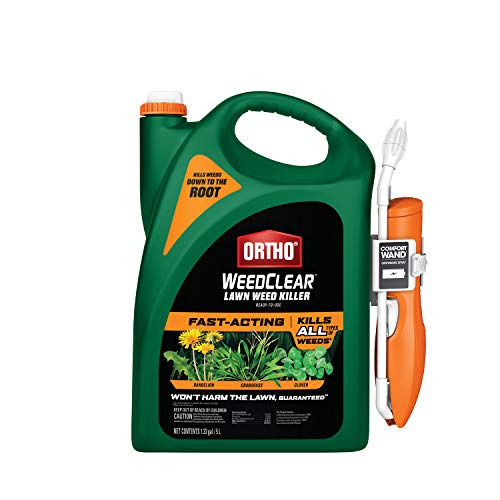
For a reliable option that won't harm your grass, consider a best weed killer for lawns that doesn't kill grass. Always follow the manufacturer's instructions for application rates and timing.
4. Organic and Natural Weed Control Options
If you prefer to avoid synthetic chemicals, there are several effective natural methods to get rid of weeds in your lawn. These are generally more labor-intensive but are safe for children, pets, and the environment.
- Vinegar: Household vinegar (5% acetic acid) can be used as a contact herbicide, especially for young weeds. For tougher weeds, use horticultural vinegar (20% acetic acid) with caution.
- Boiling Water: Pouring boiling water directly on weeds will kill them instantly. This is best for isolated weeds in driveways or patios.
- Corn Gluten Meal: This is a natural pre-emergent herbicide that inhibits weed seed germination. It's safe for use around lawns and gardens.
- Hand Pulling: For small infestations, pulling weeds by hand (including the roots) is the most eco-friendly and effective method. This is especially useful for weeds in flower beds or around trees.
For organic weed control in your garden, explore organic weed and grass killer for vegetable garden.
✅ Key Takeaway: The best way to get rid of weeds in your lawn is a combination of prevention, cultural practices, and targeted treatments. A proactive approach is always more effective than reacting to a weed infestation.
5. Maintaining a Weed-Free Lawn
Once you've tackled the existing weed problem, maintaining a healthy lawn is crucial to prevent them from returning. Continue with regular mowing, watering, and fertilization. Monitor your lawn regularly for any new weed growth and address it promptly before it becomes a larger issue.
Remember, a weed-free lawn is not a one-time achievement but an ongoing process. With consistent care and the right strategies, you can enjoy a lush, green lawn that's the envy of the neighborhood.
Related Lawn Care and Weed Control Guides
For more specific weed problems and lawn care solutions, explore these related guides:
- Best way to get rid of clover in my yard – A targeted approach to eliminating clover without harming your lawn.
- Best way to get rid of weeds in flower bed – Protect your flowers while eradicating weeds.
- Best way to kill weeds in a gravel driveway – Effective methods for gravel and hardscapes.
- Grass and weed killer that won't kill plants – Selective herbicides that are safe for your garden.
- Weed killer for flower beds that won't kill flowers – Protect your blooms while controlling weeds.
Need a comprehensive solution for a yard overrun with weeds? Our guide on best way to get rid of yard full of weeds can help.