Best Way to Kill Grass and Weeds in a Large Area
Reclaim your overgrown land with proven methods for large-scale grass and weed elimination. Compare chemical, organic, and mechanical approaches to find the right solution for your property, budget, and timeline.
EXPLORE METHODSWhy Large-Area Weed Control Matters: Whether you're clearing a neglected pasture, preparing a new garden bed, or reclaiming an overgrown lot, killing grass and weeds across a large area requires a strategic approach. Small-scale techniques like hand-pulling or spot spraying simply don't scale up. This guide breaks down the most effective methods—from non-selective herbicides and solarization to heavy-duty smothering and mechanical cultivation—so you can choose the right combination for your specific situation, climate, and long-term goals.
Understanding Your Large-Area Weed Control Options
Before choosing a method, consider three key factors: your goal (complete vegetation removal vs. selective suppression), your timeline (immediate results vs. long-term prevention), and your site conditions (accessibility, slope, soil type, and proximity to water or sensitive plants). The best approach often combines two or more methods for maximum effectiveness.
Chemical Herbicides
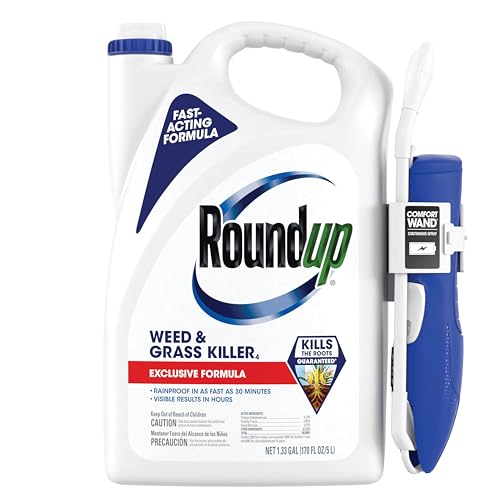
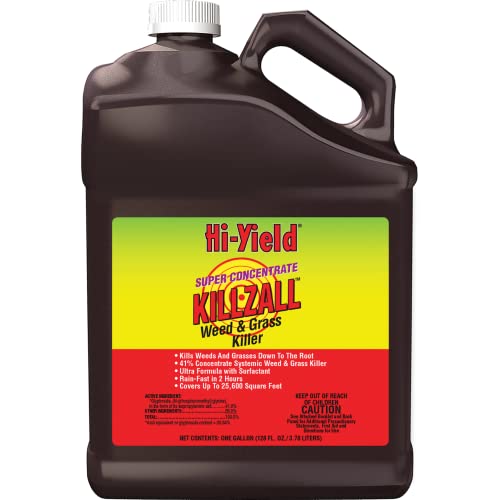
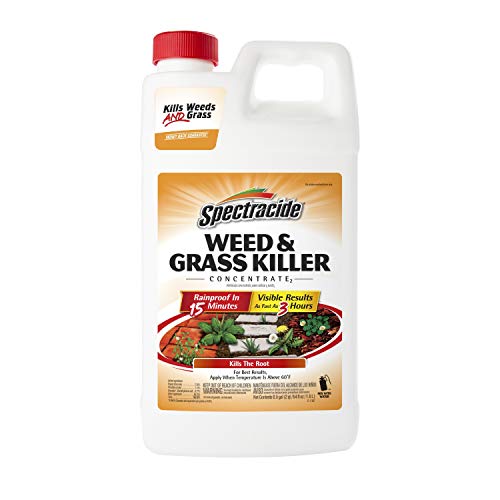
Non-selective herbicides like glyphosate are the fastest and most cost-effective option for large areas. They kill all vegetation on contact and are ideal for complete clearing before replanting.
Fastest ResultsSolarization
Covering the ground with clear plastic traps solar heat to kill weeds, seeds, and soil-borne pathogens. Best for hot climates and areas you plan to replant within a season.
Organic MethodSmothering / Occultation
Layering landscape fabric, cardboard, or black plastic over the area blocks sunlight and starves weeds. Ideal for long-term suppression and garden bed preparation.
Long-Term ControlMechanical Cultivation
Repeated tilling, discing, or mowing weakens and eventually kills weeds by disrupting growth cycles. Best for large, accessible areas with deep-rooted or persistent weeds.
Physical RemovalNatural / Organic Herbicides
Products containing vinegar, citrus oil, or pelargonic acid burn down top growth quickly. Best for small patches or spot treatment within an organic program.
Eco-FriendlyGrazing Animals
Goats and sheep can clear heavy brush and grass naturally. Ideal for rural properties with fencing and a need for ongoing vegetation management.
Sustainable OptionSide-by-Side Method Comparison
Use this table to quickly compare the most popular large-area weed and grass control methods based on speed, cost tier, effort, and best use case.
| Method | Speed | Cost Tier | Effort | Best For |
|---|---|---|---|---|
| Non-Selective Herbicide | Fast (1–3 weeks) | Entry-level to mid-range | Low | Complete clearing, large flat areas |
| Solarization | Moderate (4–6 weeks) | Entry-level | Low to moderate | Hot climates, garden bed prep |
| Smothering (Fabric/Plastic) | Slow (2–3 months) | Mid-range | Moderate | Long-term suppression, paths, borders |
| Repeated Tilling | Moderate (3–6 weeks) | Mid-range to premium (equipment) | High | Accessible areas, annual weeds |
| Organic Herbicides | Fast (1–3 days top burn) | Mid-range | Low to moderate | Spot treatment, small patches |
| Grazing Animals | Slow (weeks to months) | Premium (fencing, care) | Low (after setup) | Rural properties, brushy terrain |
Chemical Herbicides: Fastest Large-Area Control
For many homeowners and land managers, non-selective herbicides remain the go-to solution for large-scale vegetation removal. Products containing glyphosate are systemic—they're absorbed through the leaves and travel to the roots, killing the entire plant including deep-rooted perennials like bindweed and thistle. For a reliable sprayer setup, see our guide to garden hoses compatible with pressure washers for rinsing equipment after application.
Application technique matters enormously at scale. Use a backpack sprayer or, for very large properties, a tractor-mounted boom sprayer or ATV sprayer to cover ground evenly. Always apply on a calm day when rain isn't expected for at least 24 hours, and use a surfactant to help the herbicide adhere to waxy or hairy leaves. If you're targeting weeds in a lawn setting rather than bare ground, our article on the best products to get rid of weeds in lawns covers selective options that spare desirable grass.
Safety First: Wear gloves, eye protection, and a respirator when handling concentrated herbicides. Keep children and pets off treated areas until the spray has dried completely—typically 2 to 4 hours. Never spray near storm drains, ponds, or streams, and always follow the label rate exactly; over-application wastes money and increases environmental risk.
Organic & Non-Chemical Methods for Large Areas
If you prefer to avoid synthetic chemicals—whether for organic certification, pet safety, or environmental concerns—several proven non-chemical methods work well at scale. Solarization is the most effective organic approach in sunny climates: stretch clear, UV-stabilized plastic tightly over moist, tilled soil and leave it for 4 to 6 weeks during the hottest part of summer. Soil temperatures under the plastic can exceed 120°F, killing weed seeds, rhizomes, and many soil pathogens.
Smothering (also called occultation) is another reliable option. Heavy-duty woven landscape fabric or a double layer of corrugated cardboard topped with 3 to 4 inches of mulch will block light and starve existing vegetation. For gravel driveways and paths where weeds sprout through stone, our guide to eliminating weeds in gravel driveways explains how to combine fabric barriers with spot treatment. If you're dealing with persistent lawn weeds like clover or dandelions and want to keep grass alive, see organic weed killers that won't kill grass for product recommendations.
✔ Pros of Organic Methods
- Safe for pets, children, and pollinators
- Preserves soil microbiology and structure
- No chemical residue on future crops
- Solarization also kills soil pathogens
- Smothering provides long-term prevention
✘ Cons of Organic Methods
- Slower results (weeks to months)
- Solarization depends on hot, sunny weather
- Smothering materials can be costly at scale
- May require repeat treatments for perennial weeds
- Not ideal for very large properties with limited labor
Mechanical Cultivation & Equipment for Large-Scale Clearing
Mechanical removal works best for annual weeds and sites that are accessible to equipment. A rotary tiller or disc harrow cuts weed roots and buries top growth, but be aware that tilling can actually spread rhizomatous weeds like bindweed and bermudagrass if you're not careful—each chopped root fragment can sprout a new plant. Repeated tilling every 2 to 3 weeks during the growing season exhausts root reserves and is a proven strategy for large areas.
For heavy brush and tall grass, start with a brush cutter or string trimmer fitted with a heavy-duty blade, then follow up with tilling or herbicide on regrowth. On large properties, a zero-turn mower with a mulching deck can keep vegetation knocked back until you're ready for a permanent solution. If you're considering a riding mower for ongoing maintenance, our guide to riding mowers for 1–2 acre lots can help you match machine size to your property.
Step-by-Step: A Practical Plan for Killing Grass and Weeds in a Large Area
Follow this sequence to maximize effectiveness regardless of the method you choose:
- Assess the site: Identify weed species (annual vs. perennial, grassy vs. broadleaf), note slopes and drainage patterns, and check for desirable plants or sensitive areas you need to protect.
- Clear the surface: Mow or string-trim tall vegetation to ground level. This improves spray coverage, helps plastic lie flat, and makes tilling easier.
- Choose your primary method: Match your approach to your goal—herbicide for fast total kill, solarization for organic garden prep, smothering for paths and borders, or tilling for accessible annual weeds.
- Apply and monitor: Follow label rates for herbicides, keep plastic taut and sealed for solarization, or overlap smothering materials by at least 6 inches at seams.
- Treat regrowth: Expect a flush of weed seedlings after the first kill. Spot-treat or hand-pull regrowth before it sets seed to prevent a new weed seed bank.
- Replant or mulch: Once the area is clean, establish desirable plants quickly or apply a thick mulch layer to occupy the niche and discourage weeds from returning.
Common Mistakes to Avoid
Large-area weed control fails most often due to a few avoidable errors. Spraying on a windy day causes drift that can damage neighboring plants and waste product. Using too little herbicide to "save money" often results in incomplete kill and regrowth, forcing a second application. Neglecting to remove dead vegetation after a kill leaves a mat that blocks new planting and harbors pests. And skipping follow-up is the most common mistake—the soil seed bank will produce a new flush of weeds within weeks, so plan for at least one or two follow-up passes. For driveway and hardscape areas, see targeted driveway weed control for techniques that prevent regrowth between pavers.
Frequently Asked Questions
The best method depends on your goals. For complete vegetation removal, non-selective herbicides like glyphosate are most effective and fastest. For organic control, solarization or repeated tilling combined with mulching works well. For areas you plan to replant, consider smothering with heavy-duty landscape fabric or cardboard topped with mulch.
Herbicide-based methods typically show visible results within 7 to 14 days, with complete kill in 2 to 4 weeks. Solarization takes 4 to 6 weeks during hot weather. Smothering methods require 2 to 3 months for full decomposition and weed suppression.
Yes. Organic options include solarization (covering with clear plastic), smothering with landscape fabric or cardboard, repeated tilling and cultivation, and applying natural herbicides like vinegar or citrus oil-based products. These methods require more time but are safe for pets, children, and beneficial insects.
Essential tools include a backpack sprayer for herbicide application, a heavy-duty tiller or cultivator for mechanical removal, landscape fabric or black plastic for smothering, and a string trimmer or brush cutter for initial clearing. For very large areas, consider a zero-turn mower with a mulching deck or a tractor-mounted sprayer.
Non-selective herbicides like glyphosate bind to soil particles and become inactive shortly after application, so they generally do not harm soil health long-term. However, repeated use of certain chemical herbicides can affect soil microbiology. Organic methods like solarization and smothering preserve soil structure and beneficial organisms.
Final Thoughts: Choose the Right Method for Your Land
The best way to kill grass and weeds in a large area isn't a single product—it's a strategy. For fast, complete clearing before a new project, a non-selective herbicide applied carefully with proper equipment is hard to beat. For organic growers and pet-safe landscapes, solarization and smothering deliver reliable results with patience. Many successful land managers combine methods: spray or mow first, then smother or solarize, and always follow up on regrowth. Whichever path you choose, start with a clear goal, respect the label and safety guidelines, and plan for follow-up—your efforts will pay off with a clean slate ready for whatever you want to grow next.