Best Way to Kill Grass and Weeds in Driveway: Proven Methods That Work
Weeds pushing through driveway cracks and surfaces are a common frustration. Discover the most effective, safe, and long-lasting methods to reclaim a clean, weed-free driveway.
Quick Answer: The best way to kill grass and weeds in a driveway depends on the size of the infestation and your preference for natural versus chemical solutions. For cracks and small patches, a non-selective herbicide or a strong vinegar-salt solution works fast. For larger areas, a propane torch or boiling water offers chemical-free control. For long-term prevention, sealing cracks and applying pre-emergent products are essential steps.
Why Driveway Weeds Are So Persistent
Driveway cracks, expansion joints, and gravel edges create the perfect micro-environment for weeds. These spaces collect dirt, retain moisture, and warm up quickly in the sun—ideal conditions for grass seeds and weed seeds to germinate. Unlike a lawn, where regular mowing and thick turf crowd out weeds, a driveway offers bare, disturbed ground with zero competition. This is why driveway crack weeds return so reliably and why a one-time removal rarely solves the problem.
Understanding the weed type matters too. Annual weeds like crabgrass and spurge die back each season but leave thousands of seeds behind. Perennial weeds such as dandelions and bindweed have deep taproots that regrow after surface removal. If you have a weed problem across the whole driveway, combining methods is usually the most effective strategy.
Comparison of Driveway Weed Control Methods
The table below summarizes the most common approaches, their speed, effectiveness, and best use cases. This helps you match the method to your situation before reading the detailed breakdown.
| Method | Speed | Effectiveness | Best For | Safety Level |
|---|---|---|---|---|
| Non-selective herbicide | Very fast | High (kills roots) | Large infestations, stubborn perennials | Moderate — follow label |
| Vinegar + salt solution | Fast (sunny day) | Moderate to high (top growth) | Cracks, small annual weeds | High (natural) |
| Boiling water | Immediate | Moderate (small weeds) | Cracks, sidewalks, gravel | Very high (chemical-free) |
| Propane torch | Immediate | High (surface) | Gravel driveways, expansion joints | Moderate — fire risk |
| Physical removal (scraping, pulling) | Slow | Moderate (roots may remain) | Small patches, raised weeds | Very high |
| Pre-emergent + sealing | Preventive | High (long-term) | After removal, for prevention | High |
Method 1: Non-Selective Herbicide (Fastest Chemical Option)
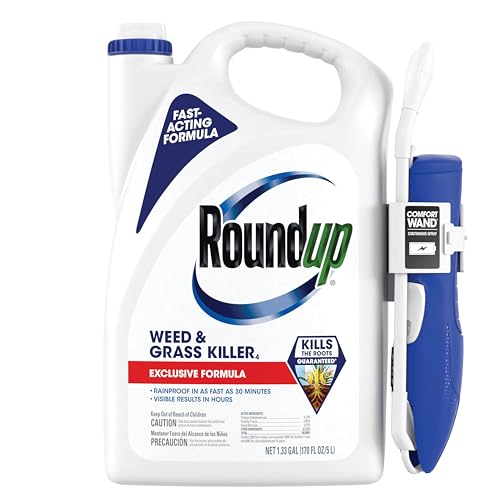
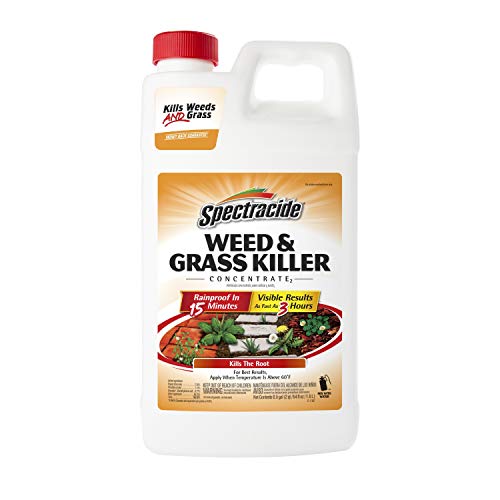
For serious infestations where weeds have established deep roots, a non-selective herbicide—typically containing glyphosate—is the most reliable chemical solution. It works systemically, traveling from the leaves to the roots and killing the entire plant. This is especially useful for gravel driveway grass and weeds where pulling is impractical.
Apply on a calm, dry day when no rain is forecast for at least 24 hours. Avoid windy conditions to prevent drift onto desirable plants. Results usually appear within 3–7 days, with full kill in two weeks. For tough perennials, a second application may be needed. Always wear gloves and follow the label precisely.
Who Should Use This Chemical
Homeowners dealing with large areas, deep-rooted perennial weeds, or weeds in gravel driveways where mechanical removal is difficult. Not ideal for those seeking organic solutions or for driveways adjacent to vegetable gardens.
Method 2: Vinegar and Salt Solution (Natural and Effective)
A strong vinegar solution—ideally horticultural vinegar at 20% concentration—combined with a small amount of salt and a few drops of dish soap is a popular natural herbicide. The acetic acid burns plant tissue on contact, the salt draws out moisture, and the soap helps the solution adhere to waxy leaves. This method is best for weeds between pavers and cracks where the solution can be poured precisely.
Apply on a hot, sunny day for maximum effect. Avoid use near desirable plants, as vinegar is non-selective and salt can accumulate in soil. For a gentler approach on your lawn, see our guide to the best organic weed killer that won't kill grass.
Who Should Use This Natural
Eco-conscious homeowners, those with pets or children, and anyone treating small areas or cracks where the solution can be controlled. Requires reapplication for deep-rooted weeds.
Method 3: Boiling Water (Chemical-Free and Instant)
Pouring boiling water directly on the base of weeds is one of the simplest, most accessible methods. It destroys plant cells on contact and leaves no chemical residue. This is ideal for gravel driveways and cracks in concrete. The main limitation is reach—you need to carry the water to each weed, which is impractical for large areas. It works best on young annual weeds; established perennials may regrow from roots.
Method 4: Propane Torch (For Gravel and Expansion Joints)
A propane weed torch uses intense heat to rupture plant cells, killing weeds within hours. It is highly effective on grass in gravel driveways and along expansion joints. The key is to pass the flame over the weed briefly—you don't need to burn it to ash; the heat alone does the damage. Safety is critical: avoid dry, flammable conditions, keep a water source nearby, and never use near mulch or dry grass.
⚠️ Safety Note: Propane torches pose fire risks. Never use them in drought conditions, near flammable materials, or on driveways bordered by dry vegetation. Check local regulations before use.
Method 5: Physical Removal and Prevention
For small patches, hand-pulling or scraping with a crack weeder is effective, especially after rain when soil is soft. To remove weeds from patio stones or driveway joints, a oscillating tool or flat-head screwdriver can loosen roots. After removal, sealing cracks with polymeric sand or concrete caulk prevents regrowth. For driveways with recurring problems, consider applying a pre-emergent herbicide in early spring before weed seeds germinate.
Step-by-Step: A Complete Driveway Weed Removal Plan
- Assess and identify: Determine the weed types and the size of the infested area. Check if weeds are annual or perennial.
- Remove existing weeds: Choose a method from above—herbicide for large areas, vinegar or boiling water for cracks, torch for gravel.
- Clean the cracks: Use a wire brush or screwdriver to remove dirt and debris from joints and cracks.
- Apply pre-emergent: Spread a pre-emergent herbicide or a thick layer of sand/polymeric sand in cracks to block new seeds from germinating.
- Seal the surface: Apply concrete or asphalt sealant to the entire driveway to close small cracks and create a barrier.
- Monitor and maintain: Inspect monthly and remove any new weeds immediately before they set seed.
Pros and Cons of Herbicide vs. Natural Methods
Chemical Herbicide
- Kills roots and all plant parts
- Fast results on large areas
- Longer-lasting control
- Requires less physical effort
Chemical Herbicide
- Environmental concerns
- Risk to nearby desirable plants
- Requires careful handling and storage
- Not suitable for organic gardens
Natural Methods (Vinegar/Boiling Water)
- Safe for pets and children
- No chemical residue
- Low cost and accessible
- Environmentally friendly
Natural Methods (Vinegar/Boiling Water)
- Requires repeated applications
- Less effective on deep-rooted perennials
- Slower for large areas
- Boiling water is heavy and labor-intensive
Preventing Weeds from Returning
Killing existing weeds is only half the battle. Without prevention, new seeds will germinate within weeks. Here are the most effective preventive measures:
- Seal cracks and joints: Use concrete caulk or polymeric sand to fill gaps where weeds take root. This is the single most effective long-term solution.
- Apply pre-emergent herbicide: Spread granular pre-emergent in early spring before soil temperatures reach 55°F. For organic options, corn gluten meal is a natural pre-emergent.
- Maintain a clean edge: Keep grass trimmed away from driveway edges and remove debris that collects in corners.
- Use a geotextile fabric: For gravel driveways, install a woven weed barrier beneath the gravel to block growth. See our guide on the best way to get rid of weeds on gravel driveways.
- Reapply sealant every 2–3 years: Asphalt and concrete sealants close micro-cracks before weeds can exploit them.
Which Method Should You Choose?
There is no single "best" method for every situation. The right choice depends on your priorities:
- If speed is your priority: Choose a non-selective herbicide for large areas, or boiling water for cracks.
- If safety and natural solutions matter: Use vinegar-salt solution or boiling water. For gravel, a propane torch is chemical-free but requires caution.
- If you want long-term results: Combine removal with crack sealing and pre-emergent application. Prevention is always more effective than repeated treatment.
- If you have a gravel driveway: A propane torch or a heavy-duty herbicide is usually the most practical. For more options, see our article on the best way to kill grass and weeds in gravel driveways.
For homeowners dealing with weeds across both driveway and lawn, our guide on the best way to get rid of weeds in my lawn covers lawn-specific strategies that complement driveway treatment.
Ready to Reclaim Your Driveway?
Explore our recommended driveway weed control products below, carefully selected for effectiveness and value.
See Recommended ProductsFrequently Asked Questions
What is the fastest way to kill grass and weeds in a driveway?
A non-selective herbicide containing glyphosate is typically the fastest chemical option, killing weeds within days. For a natural approach, a strong vinegar and salt solution applied on a sunny day works quickly on small weeds. For large areas, a propane torch or boiling water provides immediate results.
Will vinegar kill grass and weeds in driveway cracks permanently?
Horticultural vinegar at 20% concentration burns down top growth quickly but does not always kill deep-rooted perennial weeds permanently. Repeated applications are often needed. For long-term control, combine vinegar treatment with physical removal of roots or seal the cracks afterward.
Is salt safe to use for killing driveway weeds?
Salt is effective at killing weeds but can accumulate in soil and damage nearby desirable plants or contaminate runoff. Use it sparingly and only in cracks far from garden beds. For a safer alternative, consider vinegar-based or herbicidal soap products.
How do I prevent weeds from coming back in my driveway?
After removing existing weeds, apply a pre-emergent herbicide or a thick layer of sand/polymeric sand in cracks. Sealing the driveway surface and maintaining it regularly also prevents new growth. For gravel driveways, a geotextile fabric beneath the gravel blocks weeds effectively.
Can I use boiling water to kill weeds in driveway cracks?
Yes, boiling water is an effective, chemical-free method for killing weeds in driveway cracks. Pour it directly onto the weed base. It works best on small annual weeds and young seedlings. Larger, established weeds may require repeated applications or physical removal.
Final Thoughts
The best way to kill grass and weeds in your driveway is a combination of the right removal method and consistent prevention. Start with the fastest method that suits your comfort level—herbicide for large areas, vinegar or boiling water for cracks—then follow up with crack sealing and a pre-emergent to keep them from returning. With a little upfront effort, you can enjoy a clean, weed-free driveway for years to come.
For related lawn and garden maintenance topics, explore our guides on the best natural weed killer that won't kill grass and the best way to get rid of grass in flower beds.