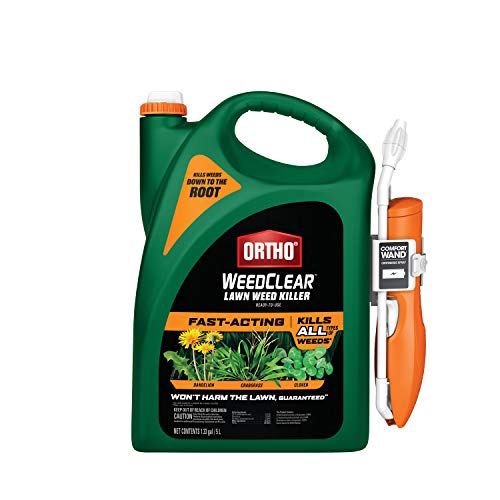
Best Way to Get Rid of Weeds in My Lawn
A complete, practical guide to reclaiming your lawn from dandelions, crabgrass, clover, and other stubborn weeds using proven cultural, organic, and selective chemical methods.
Why weeds keep coming back: Weeds are opportunists. They thrive where turfgrass is thin, soil is compacted, or watering is inconsistent. Killing the visible weed is only half the battle — the real solution is restoring a dense, healthy lawn that naturally crowds weeds out.
This guide walks you through a layered strategy: identify the weed, choose the right control method, fix the underlying lawn conditions, and use targeted products only when necessary. Whether you prefer organic methods or selective herbicides, you'll find a clear path forward.
Step 1: Identify the Weed Before You Treat
Different weeds respond to different treatments. Spraying a broadleaf herbicide on a grassy weed like crabgrass will do nothing — and may stress your lawn. Before you buy anything, identify what you're dealing with.
Common Lawn Weeds and Their Categories
- Broadleaf weeds: Dandelions, clover, plantain, creeping charlie, thistle. These have broad leaves and respond well to selective broadleaf herbicides.
- Grassy weeds: Crabgrass, goosegrass, nutsedge. These look like grass and require pre-emergent or specialized post-emergent controls.
- Perennial vs. annual: Perennials (dandelion, thistle) regrow from roots and need systemic control. Annuals (crabgrass) die each year but leave thousands of seeds behind.
Quick tip: Take a close-up photo of the weed and use a plant identification app, or bring a sample to your local extension office. Correct identification saves money and prevents ineffective treatments.
If dandelions are your main problem, see our dedicated guide on the best way to get rid of dandelions in my lawn. For clover specifically, the best way to get rid of clover in your lawn covers selective and organic options. And if crabgrass has taken over, the best way to get rid of crabgrass without killing grass is essential reading.
Step 2: Strengthen Your Lawn with Cultural Controls
Cultural controls are the foundation of any weed management plan. A thick, well-maintained lawn is the single most effective weed preventive — and it costs nothing beyond good habits.
Mow High
Set your mower deck to the tallest recommended height for your grass type. Taller grass shades the soil, preventing weed seeds from germinating.
Water Deeply and Infrequently
Water 1–1.5 inches per week in one or two sessions. Deep watering encourages deep roots, making grass more competitive against weeds.
Fertilize at the Right Time
Feed your lawn during its active growth period. A well-fed lawn grows dense and crowds out weeds naturally.
Overseed Bare Spots
Patch thin areas with the right grass seed for your soil and sun conditions. Bare soil is an open invitation for weeds.
Aerate and Dethatch
Compacted soil and thick thatch block water and nutrients. Annual aeration improves root health and lawn density.
Fix Soil pH
Most turfgrasses prefer a pH of 6.0–7.0. A soil test tells you if lime or sulfur is needed to optimize growing conditions.
If your soil is clay-heavy or sandy, choosing the right grass seed matters enormously. See the best grass seed for clay soil and full sun or the best grass seed for full sun and sandy soil to build a lawn that outcompetes weeds from day one.
Step 3: Use Pre-Emergent Herbicides to Stop Weeds Before They Sprout
Pre-emergent herbicides are the most effective tool against annual weeds like crabgrass and goosegrass. They form a barrier in the soil that prevents weed seeds from germinating — but they must be applied before seeds sprout.
When to Apply
- Apply when soil temperatures reach 55°F (13°C) for several consecutive days — typically early spring.
- For fall weeds, apply in late summer when soil temperatures drop below 70°F (21°C).
- Water in lightly after application to activate the barrier.
Pre-Emergent Product Tiers
| Tier | Typical Characteristics | Best For |
|---|---|---|
| Entry-Level | Granular formulations, single active ingredient (prodiamine or pendimethalin), basic coverage | Small lawns, first-time users, budget-conscious gardeners |
| Mid-Range | Combination products with fertilizer, extended residual control, easier spreadability | Lawns needing both weed prevention and feeding, moderate weed pressure |
| Premium | Professional-grade concentrates, dual active ingredients, longer residual, season-long control | Large lawns, severe annual weed history, users wanting maximum control with fewer applications |
Important: Do not overseed within 6–8 weeks of applying most pre-emergent herbicides — they prevent grass seed from germinating too. Plan your seeding and pre-emergent schedule carefully.
Step 4: Apply Post-Emergent Controls for Existing Weeds
When weeds are already growing, post-emergent herbicides are your next line of defense. The key is choosing a selective product that targets the weed without harming your grass.
Selective vs. Non-Selective
- Selective herbicides: Kill specific weed types (e.g., broadleaf weeds) while leaving grass unharmed. Best for spot treatments and whole-lawn broadleaf control.
- Non-selective herbicides: Kill everything they touch. Use only for spot treatments on hard surfaces, driveways, or complete lawn renovation — never on a lawn you want to keep.
For broadleaf weeds, look for products containing 2,4-D, dicamba, or triclopyr. For grassy weeds like crabgrass, use quinclorac or fenoxaprop-based products. Always confirm the product is labeled for your grass type — some herbicides damage St. Augustine or centipedegrass.
If you want a product that targets weeds but spares your grass, see the best weed killer for lawns that won't kill grass. For a sprayable option, the best spray weed killer that won't kill grass is a practical choice for spot treatments.
Weed-and-Feed Products
Weed-and-feed combines fertilizer with a broadleaf herbicide. It's convenient for lawns that need both feeding and weed control, but timing is critical — apply when weeds are actively growing and the lawn needs feeding. If you have St. Augustine grass, the best liquid weed and feed for St. Augustine grass is specifically formulated to avoid damage.
For sprayer applications, the best liquid weed and feed concentrate for sprayers covers large areas efficiently. And if you have pets, the best weed and feed that is safe for dogs is worth reviewing before you apply.
Step 5: Organic and Natural Weed Control Options
If you prefer to avoid synthetic herbicides — or have children, pets, or a desire for a more eco-friendly lawn — organic methods can be highly effective when used correctly and consistently.
Corn Gluten Meal
Corn gluten meal is a pre-emergent organic option that inhibits root development of germinating seeds. It also adds nitrogen to the soil. Apply in early spring before weed seeds sprout, and water in lightly. It works best in established lawns and requires annual reapplication.
Acetic Acid Sprays
Horticultural vinegar (20% acetic acid) burns weed foliage on contact. It's non-selective, so apply carefully to weeds only — avoid contact with desirable grass. Best for small weeds and spot treatments. Multiple applications may be needed for perennial weeds.
Manual Removal
Hand-pulling works well for small infestations and tap-rooted weeds like dandelions. Water the area first to loosen soil, then use a weeding tool to remove the entire root. This is labor-intensive but chemical-free.
For a ready-to-use organic option, see the best natural weed killer that won't kill grass or the best organic weed killer that won't kill grass. For a combined feeding and weed-control approach, the best organic fertilizer and weed killer for lawn is a solid choice.
Weed Control Methods Compared
| Method | Best For | Speed | Lawn Safety | Effort |
|---|---|---|---|---|
| Cultural controls (mowing, watering, overseeding) | Prevention and long-term lawn health | Slow (weeks–months) | Excellent | Ongoing |
| Pre-emergent herbicides | Annual grassy and broadleaf weeds | Preventive | Excellent (if timed correctly) | Low |
| Selective post-emergent herbicides | Existing broadleaf weeds | Fast (days–weeks) | Good (check grass type) | Low–moderate |
| Weed-and-feed | Broadleaf weeds + lawn feeding | Moderate | Good | Low |
| Organic sprays (acetic acid, corn gluten) | Small infestations, eco-conscious gardeners | Moderate | Good (non-selective caution) | Moderate–high |
| Manual removal | Small patches, tap-rooted weeds | Slow | Excellent | High |
Your Step-by-Step Weed Removal Plan
- Identify the weeds. Determine whether you have broadleaf, grassy, annual, or perennial weeds. This dictates your treatment choice.
- Test your soil. A soil test reveals pH, nutrient levels, and compaction issues. Fix these first — they're the root cause of weed invasions.
- Mow high and water deeply. Set your mower to the tallest recommended height and water 1–1.5 inches per week. Healthy grass is your best defense.
- Apply pre-emergent in early spring. Use a pre-emergent herbicide before weed seeds germinate. Water it in to activate the barrier.
- Spot-treat existing weeds with post-emergent. Use a selective herbicide labeled for your grass type. Spot-treat rather than broadcasting when possible.
- Overseed thin areas in fall. Thicken your lawn with the right grass seed for your conditions. A dense lawn prevents future weed growth.
- Monitor and maintain. Inspect your lawn monthly. Pull small weeds by hand, reapply pre-emergent as needed, and keep up with mowing and watering.
If your yard is completely overrun, the best way to get rid of a yard full of weeds covers large-scale recovery strategies. And if you're dealing with a specific product question, the best product to get rid of weeds in lawn is a practical starting point.
When to Call a Professional
Most lawn weed problems can be solved with the methods above. However, consider professional help if:
- Weeds cover more than 50% of your lawn and cultural controls haven't worked after two seasons.
- You have a severe infestation of invasive species like nutsedge, Bermuda grass in a fescue lawn, or poison ivy.
- You're unsure about herbicide safety for your grass type or have a large property requiring commercial equipment.
- You want a complete lawn renovation with grading, soil amendment, and professional seeding.
A local extension agent or certified turfgrass professional can diagnose issues and recommend a tailored plan.
Frequently Asked Questions
What is the fastest way to get rid of weeds in my lawn?
Selective post-emergent herbicides act fastest on existing broadleaf weeds, often showing visible results within days. However, fast results don't address the root cause. For long-term control, combine post-emergent spot treatments with pre-emergent applications and cultural improvements like overseeding and proper mowing height.
Will vinegar kill weeds without harming my grass?
Household vinegar (5% acetic acid) is too weak to be effective. Horticultural vinegar (20% acetic acid) burns weeds on contact but is non-selective — it will damage grass if sprayed directly. Use it as a spot treatment on weeds only, applying carefully to avoid overspray onto desirable turf.
Can I overseed and apply weed killer at the same time?
No. Most pre-emergent herbicides prevent grass seed from germinating, and many post-emergent broadleaf herbicides can damage new grass seedlings. Wait 6–8 weeks after applying pre-emergent before overseeding, and wait until new grass has been mowed at least 3–4 times before applying post-emergent herbicides.
Why do weeds keep coming back after I treat them?
Weeds return because the underlying conditions that favor them — thin grass, compacted soil, poor pH, or inconsistent watering — remain unchanged. Treating the visible weed without fixing the lawn is a temporary fix. Focus on building dense turf through overseeding, proper fertilization, aeration, and correct mowing height.
Are weed-and-feed products safe for all grass types?
Not all weed-and-feed products are safe for every grass type. Some broadleaf herbicides damage St. Augustine, centipedegrass, and carpetgrass. Always read the label to confirm the product is approved for your specific grass type. When in doubt, choose a product specifically formulated for your lawn variety.