
Best Weed and Feed That Is Safe for Dogs
Keep your lawn lush and your furry friend protected. This guide breaks down what makes a weed and feed product dog-safe, which ingredients to avoid, and how to apply treatments without putting your pet at risk.
Why pet-safe lawn care matters: Dogs explore the world nose-first and paw-first. They roll on treated grass, lick their paws, and sometimes nibble on grass blades. Choosing a weed and feed product with pet safety in mind isn't just a nice-to-have—it's an essential part of responsible lawn care for any dog owner.
Understanding the Risks of Conventional Weed and Feed
Traditional weed and feed products combine a fertilizer with a selective herbicide, usually targeting broadleaf weeds like dandelions and clover. The herbicide component is what raises red flags for pet safety. Many conventional formulas rely on active ingredients such as 2,4-D, which has been the subject of health and environmental scrutiny [citation:12]. While manufacturers state that products are safe once fully dried and settled, the window of risk—especially for curious dogs—is real.
According to industry guidance, most granular weed and feed products recommend keeping pets off the lawn until the granules have completely dissolved and the lawn is dry. For some professional-grade products containing herbicides, the recommended waiting period can stretch from five to seven days [citation:4][citation:7]. That's a long time to keep a dog cooped up, which is why many pet owners look for alternatives with fewer synthetic herbicides or none at all.
The primary risk isn't usually from a dog eating a single blade of treated grass after the product has dried. The bigger concerns are direct contact with undissolved granules, licking paws after walking on a freshly treated lawn, and accidental ingestion of the product itself before it has been watered in [citation:2][citation:5].
What Makes a Weed and Feed Product Dog-Safe?
There is no universal "dog-safe" certification for weed and feed products. Instead, safety depends on the ingredients, the formulation, and—most importantly—how you apply and manage the lawn afterward. Here are the key factors to evaluate:
1. Herbicide-Free or Natural Herbicide Formulas
The safest approach is to separate weed control from feeding. Products that rely on corn gluten meal, for instance, suppress weed seed germination naturally without synthetic herbicides [citation:10][citation:15]. These are often marketed as "weed preventers" rather than weed killers, and they are generally considered safe for pets to be on the lawn immediately after application. For existing weeds, mechanical removal or spot treatment with pet-safe options is preferable to broadcast herbicide application.
2. Slow-Release, Organic Nitrogen Sources
Feeding your lawn doesn't require harsh chemicals. Organic fertilizers derived from composted materials, feather meal, or corn gluten provide nitrogen without the risk of synthetic salt buildup. These products are less likely to cause gastrointestinal upset if a dog happens to ingest a small amount of grass after application.
3. Clear Labeling and Pet-Specific Instructions
Reputable products include explicit directions about pet safety on the label. Look for language that tells you exactly how long to keep pets off the lawn and whether the product is safe once dry. If a label is vague or doesn't address pets at all, that's a sign to look elsewhere [citation:1][citation:13].
How to Apply Weed and Feed Safely Around Dogs
Even the safest product requires sensible application. Follow these steps to minimize risk:
- Read the label thoroughly. Every product has specific instructions for re-entry times. Never assume a product is safe just because it's marketed as "natural" or "organic."
- Remove water and food bowls from the treated area. Granules or dust can settle into bowls, creating an unnecessary exposure risk.
- Apply when your dog is indoors or away from the yard. This prevents curious noses from investigating during the application process.
- Water the lawn according to the label instructions. Watering helps activate the product and settle granules, but it doesn't necessarily make the lawn safe immediately. Always defer to the label's re-entry guidance.
- Keep dogs off the lawn until it is completely dry. For many conventional products, this is the minimum safety threshold. For products with herbicides, a longer waiting period may be required [citation:1][citation:14].
- Wipe your dog's paws after any outdoor time. This simple habit reduces the chance of tracking granules or residue into the house and limits licking exposure.
Important note: Some "pet-safe" granular fertilizers can smell appealing to dogs, similar to food. A dog may try to eat the granules directly from the lawn before they dissolve. Always supervise your dog during the first few days after application, even with organic products [citation:3][citation:9].
Comparing Pet-Safe Weed and Feed Options
When shopping for a dog-friendly weed and feed, you'll encounter a few broad categories. Here's how they differ in terms of pet safety and practicality:
Corn Gluten Meal-Based Weed Preventers
These products work by inhibiting root development in germinating weed seeds. They are typically applied in early spring and early fall. Because they contain no synthetic herbicides, they are generally considered safe for pets to be on the lawn right after application, though some dogs may be attracted to the corn-based scent [citation:10][citation:15]. They don't kill existing weeds, so they're best used as part of a preventive strategy.
Organic or Natural Fertilizers with Minimal Herbicide
Some products combine organic feeding with low-risk weed suppression. These are a middle-ground option. Always check the active ingredients—if an herbicide is listed, treat the product with the same caution you would a conventional formula and follow the re-entry instructions precisely.
Conventional Weed and Feed with Careful Management
If you choose a conventional granular weed and feed, the key is rigorous adherence to the label. Products like Scotts Turf Builder Weed and Feed are stated to be safe for pets once the treated area is completely dry [citation:1]. The risk lies in the transition period. If your dog has a habit of eating grass or exploring with their mouth, a conventional product may not be worth the stress. For a deeper look at general weed control strategies, see our guide on best weed control for lawns.
Ingredients and Practices to Avoid
When scanning labels, be cautious of products that list synthetic herbicides without clear pet re-entry guidance. Ingredients like 2,4-D and dicamba are common in conventional weed and feed and are the primary reason many pet owners seek alternatives. Additionally, avoid applying any product—even an organic one—in windy conditions where granules can drift onto patios, walkways, or into your dog's outdoor water bowl.
It's also wise to avoid "combination" products that promise to kill insects, prevent weeds, and feed the lawn all at once. More active ingredients generally mean more potential for unintended exposure. For targeted weed problems, consider a dedicated approach: use a organic weed killer that won't kill grass for spot treatments, and feed your lawn separately with a pet-conscious fertilizer.
Frequently Asked Questions
Is weed and feed ever completely safe for dogs?
No product is risk-free, but many are formulated to be low-risk when used correctly. Organic, herbicide-free products are the safest choice. For any product, the label's pet re-entry instructions are the definitive guide. If the label says keep pets off until dry, follow that without exception.
How long after weed and feed can my dog go on the lawn?
This depends entirely on the product. Some organic fertilizers allow immediate re-entry. Many conventional granular products require the lawn to be completely dry, which can take 24 to 48 hours depending on weather. Products containing certain herbicides may recommend keeping pets off for several days [citation:4][citation:7]. Always read your specific product's label.
What if my dog eats grass after weed and feed was applied?
If the product was applied according to the label and the lawn was dry at the time of ingestion, the risk is generally low for most products. However, if your dog shows symptoms like vomiting, diarrhea, excessive salivation, or lethargy, contact your veterinarian immediately. Bring the product label with you if possible [citation:5].
Are there weed and feed products I can use with a dog that eats everything?
For dogs with a strong habit of eating grass or investigating with their mouths, the safest path is a two-step approach: use a corn gluten meal-based weed preventer for suppression, and address existing weeds manually or with a targeted pet-safe spray. Avoid broadcast herbicide products entirely. You may also want to explore our guide on the best natural weed killer that won't kill grass for alternative strategies.
Top Pet-Safe Weed and Feed Products to Consider
⚠️ AFFILIATE DISCLOSURE: This website contains affiliate links. As an Amazon Associate, we earn from qualifying purchases. If you make a purchase through these links, we may receive a small commission at no additional cost to you. Read our full affiliate policy.

Spectracide Weed And Feed 20-0-0 32 Ounces, With QuickFlip Hose-End Sprayer (6 pack)
Check price on Amazon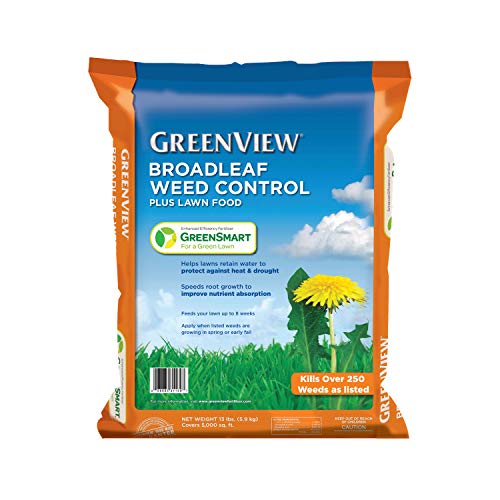
GreenView Weed and Feed Lawn Fertilizer, 13 lb Bag, Covers 5,000 sq. ft. | Lawn fertilizer and weed control for established turf; kills 250+ lawn weeds and feeds up to 8 weeks, lawn care, 27-0-4 NPK
Check price on Amazon