Best Way to Get Rid of Weeds Between Pavers
Weeds pushing through paver joints are one of the most frustrating outdoor maintenance problems. This guide breaks down the proven methods — from manual removal and natural sprays to long-term prevention with polymeric sand — so you can reclaim a clean, weed-free patio, driveway, or walkway for good.
Why Weeds Grow Between Pavers
Paver joints are the perfect nursery for weeds. The gaps between stones collect wind-blown seeds, hold a thin layer of grit and organic debris, and trap moisture after every rain or irrigation cycle. Once a seed lands in that warm, damp micro-environment, germination is almost guaranteed. Common culprits include dandelions, crabgrass, clover, plantain, and moss — each of which spreads aggressively once established.
The type of joint also matters. Narrow, tightly fitted joints with proper polymeric sand resist weeds far better than wide, open joints filled with loose soil or gravel. If your patio or driveway has chronic weed problems, the issue is usually the joint material — not just the weeds themselves. Understanding this is the first step toward a permanent fix.
Quick answer: The best way to get rid of weeds between pavers is a two-step approach — physically remove existing weeds with a paver weeding tool or wire brush, then prevent regrowth by refilling joints with polymeric sand. For spot treatments, a vinegar-based or boiling-water method works well on small weeds without harsh chemicals.
Weed Removal Methods Compared
Not all weed-control methods are equal. The table below compares the most common approaches on effectiveness, effort, safety, and longevity. Use it to choose the method that fits your patio size, weed severity, and tolerance for chemicals.
| Method | Effectiveness | Effort Level | Best For | Longevity |
|---|---|---|---|---|
| Manual removal (paver tool / wire brush) | High (immediate) | Moderate | Small to medium patios | Short — regrowth possible |
| Boiling water | Moderate | Low | Spot treatments, chemical-free | Short |
| White vinegar spray (5%) | Moderate | Low | Small weeds, sunny days | Short |
| Horticultural vinegar (20%) | High | Low | Stubborn weeds, larger areas | Short to medium |
| Propane torch / flame weeder | High (immediate) | Moderate | Large hardscapes, dry conditions | Short |
| Pressure washer | High (cleans joints) | High | Deep cleaning, large areas | Medium (if refilled) |
| Polymeric sand (after removal) | Preventive | Moderate (one-time) | All paver joints | Long — 2 to 5+ years |
Notice that removal methods are only half the battle. The real "best way" combines an effective removal technique with a durable joint filler. Without prevention, weeds return within weeks — especially during warm, wet seasons. For related hardscape weed problems, see our guides on weeds between patio stones and weeds in driveway cracks.
The Best Ways to Remove Weeds Between Pavers
Below are the methods that consistently deliver the best results, ranked from most practical to more specialized. In most cases, a combination works best: remove first, then prevent.
1. Manual Removal with a Paver Weeding Tool Top Pick
A dedicated paver weeding tool — a narrow, hooked blade on a long handle — is the most reliable way to extract weeds from tight joints. Push the blade into the joint alongside the weed, lever it out with the root intact, and flick the debris away. For small patios, a simple hand trowel or old screwdriver works too, but a long-handled tool saves your back on larger areas.
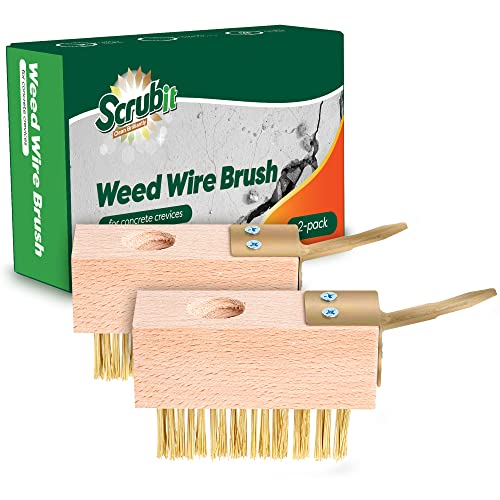
Why it wins: It removes the root, not just the top growth, so regrowth is slower. It's chemical-free, safe around plants, and works in any weather. Pair it with a stiff wire brush to sweep out loosened soil and seeds afterward.
2. Boiling Water Chemical-Free
Boiling water is an underrated, eco-friendly method. Pour it directly onto the weed in the joint; the heat scalds the foliage and destroys the root crown. It's ideal for small patios, walkways, and areas near edible gardens or pets. The downside is that it's slow for large areas and may need repeat applications for deep-rooted weeds like dandelions.
For a broader look at chemical-free lawn and hardscape weed control, see best natural weed killer that won't kill grass.
3. Vinegar-Based Sprays Budget-Friendly
Household white vinegar (5% acetic acid) burns the tops of small weeds when applied on a hot, sunny day. For tougher weeds, horticultural vinegar (20% acetic acid) is more effective — but handle it with care, as it's corrosive and non-selective. Spray directly onto the weed, avoiding desirable plants and surrounding lawn. Reapply after a week if regrowth appears.
If you prefer targeted sprays that won't harm grass, explore spray weed killer that won't kill grass.
4. Propane Torch (Flame Weeder) Large Areas
A propane torch or dedicated flame weeder quickly destroys weeds by rupturing their cell walls with intense heat. It's fast and effective on large hardscapes, but requires care: keep it away from dry mulch, wooden edging, and anything flammable. Check local fire regulations before use, and never use it during a burn ban.
5. Pressure Washer Deep Clean
A pressure washer blasts out weeds, dirt, and old joint sand in one pass. It's excellent for a seasonal deep clean, but it also removes the joint filler — which means you must refill with polymeric sand afterward to prevent rapid regrowth. Use a fan-tip nozzle at a moderate angle to avoid eroding the paver surface. For a compatible hose setup, see best garden hose to use with a pressure washer.
Long-Term Prevention: Stop Weeds Coming Back
Removal is temporary; prevention is permanent. The single most effective long-term solution is refilling the joints with polymeric sand. Unlike loose sand or soil, polymeric sand hardens when activated with water, creating a flexible, weed-resistant barrier that still allows drainage. Here's a simple prevention workflow:
- Remove all existing weeds and old joint material using a paver tool or pressure washer.
- Clean the joints thoroughly — sweep out debris and let the surface dry completely.
- Apply polymeric sand according to the manufacturer's instructions, sweeping it into the joints and compacting it.
- Activate with a fine water mist (not a heavy soak) to set the sand.
- Re-sand annually or as needed — joints can erode over time from weather and foot traffic.
Beyond polymeric sand, keep these habits in place:
- Sweep the patio regularly to remove seeds before they germinate.
- Keep joint gaps tight; wide gaps invite weeds.
- Spot-treat new sprouts immediately with boiling water or vinegar before they establish roots.
- Avoid overwatering nearby beds so runoff doesn't feed paver weeds.
If weeds are also invading gravel or driveways, our guides on weeds in gravel driveway and weeds and grass in gravel driveway cover the same prevent-first philosophy.
Choosing the Right Tools and Products
When selecting paver weeding tools and joint sand, think in terms of tiers rather than specific prices. Here's a practical framework:
- Entry-level: Basic hand trowels, wire brushes, and standard white vinegar. Fine for small patios and light weed pressure, but you'll work harder and may need repeat treatments.
- Mid-range: Long-handled paver weeding tools, horticultural vinegar, and quality polymeric sand. This is the sweet spot for most homeowners — noticeably easier on the back and longer-lasting results.
- Premium: Dedicated flame weeders, professional-grade pressure washers, and high-performance polymeric sand. Best for large driveways, commercial hardscapes, or severe chronic weed issues.
A mid-range paver weeding tool plus a bag of quality polymeric sand will outperform a premium torch used alone, because the torch only solves half the problem. Prioritize the prevention step. For broader lawn weed strategy, cross-reference best weed control for lawns.
Pro tip: The best time to tackle paver weeds is a dry, sunny morning. Weeds pull out more easily, vinegar sprays work faster, and polymeric sand cures best when the surface stays dry for 24 hours after activation.
Frequently Asked Questions
What is the fastest way to remove weeds between pavers?
A stiff wire brush or long-handled paver weeding tool combined with a vinegar-based spray is the fastest manual method. For large areas, a pressure washer or propane torch can speed things up, but manual removal with a proper tool is the most immediate, safe, and root-effective approach.
Does vinegar really kill weeds between pavers?
Yes. Household white vinegar (5% acetic acid) or horticultural vinegar (20% acetic acid) burns the foliage and kills small weeds. It is non-selective, so avoid spraying desirable plants. Apply on a sunny day and reapply for persistent, deep-rooted weeds.
How do I prevent weeds from growing back between pavers?
After removing weeds, refill the joints with polymeric sand. This hardens into a weed-resistant barrier that still drains. Regular sweeping, keeping joint gaps tight, and spot-treating new sprouts immediately are the most effective ongoing prevention habits.
Is boiling water safe for killing weeds between pavers?
Yes — boiling water is a safe, chemical-free method. It scalds plant tissue and destroys the root crown. It's slower for large areas and may need repeated applications for deep-rooted weeds, but it's ideal near edible gardens, pets, and children.
Can I use weed killer between pavers without harming my lawn?
Selective lawn weed killers are designed for turf, but between pavers the run-off risk is high. The safest approach is spot treatment with boiling water or vinegar, or physical removal, followed by polymeric sand. If you use a herbicide, choose one labeled for hardscape use and apply carefully. For lawn-safe options, see weed killer for lawns that won't kill grass.
Final Takeaway
The best way to get rid of weeds between pavers is not a single product — it's a sequence. Remove existing weeds with a paver weeding tool or wire brush, treat stubborn sprouts with boiling water or vinegar, and then lock the problem out by refilling joints with polymeric sand. That combination delivers clean joints, fewer weeds, and a patio that stays presentable season after season. For related hardscape and lawn weed issues, explore our guides on weeds in driveway, the best thing to get rid of weeds in grass, and yard full of weeds.