Best Way to Kill Weeds and Grass in a Gravel Driveway
Say goodbye to unsightly weeds and grass! Discover proven chemical, organic, and natural methods to keep your gravel driveway pristine and low-maintenance.
Shop Top Weed Killers →Let Gardening help you reclaim your driveway! Weeds and grass in gravel driveways are not only an eyesore but can also cause drainage issues and damage the gravel base. This comprehensive guide covers chemical herbicides, organic solutions, and mechanical removal — so you can choose the best method for your situation.
Why Weeds and Grass in Gravel Driveways Are a Problem
Weeds and grass growing through gravel can lead to several issues:
- Unkempt appearance: Weeds make your driveway look neglected and reduce curb appeal.
- Drainage blockage: Dense weed growth can trap moisture, leading to puddles and erosion.
- Gravel displacement: Roots can push gravel apart, creating uneven surfaces and potholes.
- Pest habitat: Weeds attract insects and rodents that may invade your home.
Fortunately, there are multiple effective strategies to eliminate weeds and grass, ranging from fast-acting chemicals to eco-friendly natural remedies. Read on to find the best way to kill weeds and grass in gravel driveway for your needs.
Chemical Weed Killers for Gravel Driveways
Chemical herbicides are the most effective and fastest way to kill weeds and grass in gravel driveways. They work systemically or by contact, ensuring roots are destroyed.
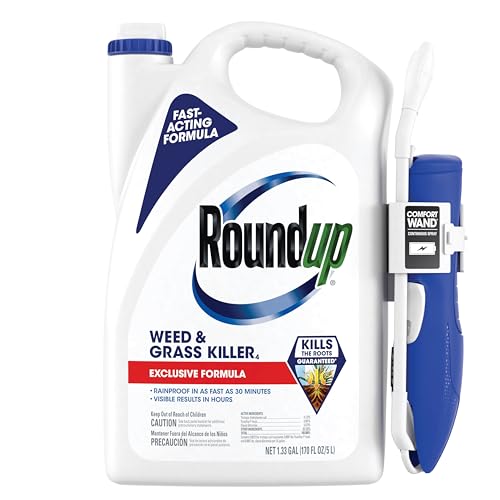
Glyphosate-Based Weed Killers
Glyphosate is a non-selective herbicide that kills any plant it touches. It’s absorbed through leaves and travels to the roots, killing the entire plant.
Pros
- Kills weeds down to the root
- Fast-acting (results in 7–14 days)
- Rainfast within hours
Cons
- Non-selective (kills everything)
- Potential environmental concerns
Best for: Large driveways with heavy weed infestation.
💡 Tip: Apply on a calm, dry day to avoid drift to desirable plants.
Vinegar-Based Herbicides
High-strength (20–30%) horticultural vinegar is a potent natural weed killer. Acetic acid burns plant tissue and desiccates weeds quickly.
Pros
- Natural and biodegradable
- Fast contact-kill (within hours)
- No soil residual
Cons
- May not kill deep roots
- Requires reapplication
- Can harm skin/eyes
Best for: Small driveways or spot treatment.
💡 Tip: Mix with salt and dish soap for enhanced effectiveness.
Pre-Emergent Herbicides
Pre-emergents prevent weed seeds from germinating. They form a barrier in the soil and stop new weeds from sprouting.
Pros
- Prevents future weeds
- Long-lasting (up to 3 months)
- Safe for gravel
Cons
- Doesn't kill existing weeds
- Must be applied before germination
Best for: Ongoing maintenance after initial clean-up.
💡 Tip: Apply in early spring before weed seeds sprout.
Organic & Natural Methods to Kill Weeds in Gravel
If you prefer a chemical-free approach, several natural methods can effectively kill weeds and grass in gravel driveways.
Boiling Water
Pouring boiling water directly onto weeds is a simple and immediate way to kill them. The heat destroys plant cells.
Pros
- Zero chemicals
- Instant results
- Free (uses kitchen water)
Cons
- Only kills surface growth
- Requires repeated applications
- Can be labor-intensive
Best for: Small patches of weeds.
Salt and Vinegar Solution
A mixture of salt, vinegar, and dish soap is a powerful homemade weed killer. The salt dehydrates plants, while vinegar burns foliage.
Pros
- Inexpensive and natural
- Effective on small weeds
- Biodegradable
Cons
- Salt can persist in soil
- May harm nearby plants if overused
Recipe: Mix 1 gallon of vinegar, 1 cup of salt, and 1 tablespoon of dish soap. Spray on sunny days.
Flame Weeding
A propane torch with a flame weeder attachment uses intense heat to kill weeds by bursting their cell walls.
Pros
- No chemicals
- Kills instantly
- Satisfying and fast
Cons
- Fire hazard risk
- Not suitable for dry conditions
- Requires propane tank
Best for: Large gravel areas with dry weeds.
💡 Tip: Keep a water hose nearby and never use near flammable materials.
Mechanical Removal of Weeds and Grass
Manual removal is the most environmentally friendly and immediate way to get rid of weeds, though it requires more effort.
Hand Pulling
Pulling weeds by hand or with a weeding tool is effective for small areas and deep-rooted weeds.
Pros
- Complete removal (roots too)
- No chemicals
- Free
Cons
- Labor-intensive
- Not practical for large driveways
- Can disturb gravel
Best for: Small driveways or spot weeding.
Using a Weed Torch
A weed torch attaches to a propane tank and uses a flame to burn weeds. It’s effective for large areas and kills both foliage and roots.
Pros
- Fast and chemical-free
- Effective on tough weeds
- No soil disturbance
Cons
- Fire hazard
- Propane cost
- Not allowed in fire-prone areas
Best for: Large gravel driveways with persistent weeds.
Step-by-Step Guide: How to Kill Weeds in Gravel Driveway
- Assess the weed infestation: Identify the types of weeds and grass present. This helps choose the best method.
- Choose your method: Based on the size of your driveway, your budget, and environmental preferences, select a chemical, organic, or mechanical approach.
- Prepare the area: Remove loose debris and large weeds manually if possible.
- Apply the weed killer: Follow the instructions for your chosen product. For chemicals, use a sprayer for even coverage. For natural methods, apply liberally on sunny days.
- Wait and monitor: Most herbicides take 1–2 weeks to fully kill weeds. Reapply if necessary.
- Remove dead weeds: Once weeds are brown and dead, rake them out or use a leaf blower to clear the driveway.
- Prevent future growth: Consider applying a pre-emergent herbicide or installing a weed barrier fabric under the gravel.
Preventing Weeds in Gravel Driveways
Prevention is the best long-term strategy. Here are some effective ways to keep weeds and grass from returning:
- Install a weed barrier: Geotextile fabric under the gravel prevents weed seeds from reaching the soil.
- Use the right gravel depth: A 3–4 inch layer of gravel discourages weed growth.
- Apply pre-emergent in spring: Products like pre-emergent herbicide for crabgrass stop seeds from germinating.
- Spot-treat regularly: Immediately pull or spray new weeds before they establish.
- Edge your driveway: A clean edge between lawn and gravel helps prevent grass from creeping in.
For more lawn care tips, check out our guides on best weed control for lawns and organic pre-emergent weed control.
Frequently Asked Questions
Can I use bleach to kill weeds in gravel?
Bleach is effective but highly toxic to the environment and can contaminate groundwater. It's not recommended for large areas. Better options are vinegar or commercial herbicides.
How often should I apply weed killer?
For chemical herbicides, one or two applications per season are usually enough. For natural methods, you may need to reapply monthly, especially after rain.
Is it safe to use herbicides around pets?
Many herbicides are pet-safe once dry, but it's best to keep pets away during application. Look for products labeled "pet-safe" or use natural alternatives like vinegar and salt.
What is the cheapest way to kill weeds in gravel?
Boiling water or a homemade vinegar and salt solution are the cheapest options. Both are effective for small areas and cost just pennies per application.
For more driveway and weed control solutions, explore our related articles: best way to get rid of grass in gravel driveway, best way to kill grass and weeds in gravel driveway, weed and grass killer that is safe for pets, and best spray weed killer that won't kill grass.