Can I Cut the Dead Flowers Off My Hydrangea?
Yes! Deadheading hydrangeas is one of the best things you can do for bigger, healthier blooms. Learn exactly when and how to prune spent flowers for stunning results next season.
Jump to Deadheading Guide ↓If you're staring at your hydrangea bush and wondering, "Can I cut the dead flowers off my hydrangea?" — the answer is a resounding YES. But there's a catch: when and how you do it makes all the difference.
Deadheading (removing spent blooms) is a simple yet powerful technique that directs your plant's energy away from seed production and back into root and foliage growth. This often results in larger, more vibrant flowers the following year. However, not all hydrangeas are the same, and timing is critical to avoid accidentally cutting off next season's blooms.
💡 Key Insight: Whether you should deadhead in summer, fall, or spring depends entirely on whether your hydrangea blooms on old wood or new wood. Get this right, and you'll be rewarded with a spectacular floral display.
Old Wood vs. New Wood: The Crucial Difference
Understanding your hydrangea's blooming habit is the first step to successful deadheading. This single factor determines when it's safe to cut.
🌿 Hydrangeas That Bloom on Old Wood
These varieties form their flower buds in late summer and fall of the previous year. If you prune or deadhead them in fall, winter, or early spring, you'll cut off those buds and lose your flowers for the season.
- Bigleaf hydrangeas (Hydrangea macrophylla) – includes mophead and lacecap types
- Oakleaf hydrangeas (Hydrangea quercifolia)
- Climbing hydrangeas (Hydrangea anomala petiolaris)
- Mountain hydrangeas (Hydrangea serrata)
Best practice for these: Deadhead immediately after flowering in summer (July–August). Cut just below the flower head, above the first set of healthy leaves. Do not cut back the stems in fall or spring, or you'll remove next year's blooms.
🌱 Hydrangeas That Bloom on New Wood
These varieties produce flower buds on the current season's growth. This means you have much more flexibility and can prune more aggressively without sacrificing flowers.
- Panicle hydrangeas (Hydrangea paniculata) – e.g., 'Limelight', 'PeeGee'
- Smooth hydrangeas (Hydrangea arborescens) – e.g., 'Annabelle', 'Incrediball'
Best practice for these: You can deadhead spent flowers anytime from summer to late winter. For a more vigorous plant, cut back stems by one-third in late winter or early spring for larger blooms.
For a more detailed breakdown on when to prune your specific hydrangea, check out our comprehensive guide: When Is the Best Time to Prune a Hydrangea Bush?
Step-by-Step Guide: How to Deadhead Hydrangeas Correctly
Once you've identified your hydrangea type, follow these simple steps for perfect deadheading every time.
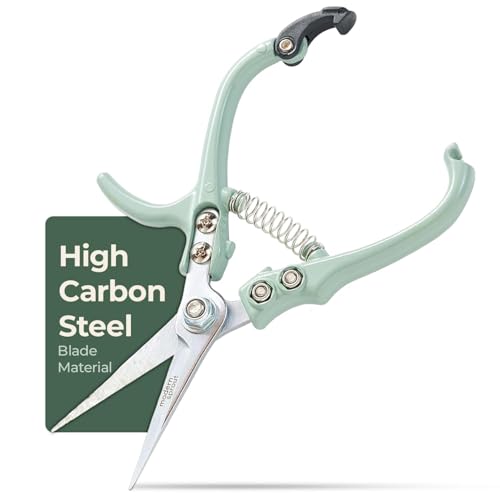
- Sharpen your pruners: Clean, sharp bypass pruners make a clean cut that heals quickly and reduces disease risk.
- Identify the spent bloom: Look for flowers that are faded, brown, or crispy.
- Find the right cut point: Trace the stem down from the dead flower head to the first pair of healthy leaves. Make your cut just above this leaf node.
- Angle your cut: Cut at a 45-degree angle, sloping away from the leaf node. This helps water run off and prevents rot.
- Clean up: Remove all dead flower heads from the area. Don't leave them on the ground where they can harbor pests or diseases.
⚠️ Important: Never cut down into the thick, woody part of the stem where there are no leaves. This can cause dieback and weaken your plant.
What About the "Dead Heading" Method for Reblooming?
Some newer hydrangea varieties, like the 'Endless Summer' series, are bred to bloom on both old and new wood. For these, deadheading spent flowers in summer can actually encourage a second flush of blooms in fall. Simply follow the same cutting technique above, and you may be treated to an extra show later in the season.
If you're wondering about the difference between pruning and deadheading, our article Should Hydrangeas Be Cut Back in the Fall or Spring? provides a deeper dive into seasonal pruning strategies.
Common Deadheading Mistakes to Avoid
- ❌ Cutting too early in spring: For old-wood bloomers, this removes flower buds. Wait until you see new growth emerging.
- ❌ Deadheading in fall: For old-wood varieties, fall deadheading can stimulate tender new growth that gets damaged by frost, weakening the plant for winter.
- ❌ Cutting too low: Always leave at least one set of healthy leaves below the cut to provide energy for the plant.
- ❌ Leaving dead stems: If you leave dead flower heads on the plant, they can encourage disease and pests. Always remove and dispose of them.
To help you avoid these pitfalls, we've created a visual guide for How to Prune a Hydrangea Bush in the Spring that covers both deadheading and general pruning techniques.
Tools You'll Need for Deadheading Hydrangeas
Having the right tools makes deadheading quick, efficient, and safe for your plant. Here are our top recommendations for the job.
- Bypass pruners: These make clean cuts that don't crush stems. A sharp, quality pair is a must-have.
- Loppers: For thicker, older stems on larger hydrangeas, loppers provide extra leverage and clean cuts.
- Pruning saw: For very old, thick branches that need renewal pruning (rarely needed for deadheading).
- Gloves: Hydrangea sap can be irritating to some skin. Durable gardening gloves protect your hands.
For a complete overview of essential equipment, visit our Garden Tools section for in-depth reviews and recommendations.
Why Deadheading Matters: The Bigger Picture
Beyond just making your plant look neater, deadheading offers several critical benefits for the health and vigor of your hydrangea.
- 💪 Directs energy to root and foliage growth: Instead of putting energy into seed production, the plant focuses on building a strong root system and new growth.
- 🌸 Promotes more abundant blooms: For reblooming varieties, deadheading can trigger a second flowering period.
- 🌿 Prevents disease: Removing spent flowers reduces the risk of fungal infections that can overwinter on dead plant material.
- ✨ Enhances overall appearance: A well-deadheaded hydrangea looks clean and well-cared-for throughout the season.
If you're new to hydrangea care, our beginner-friendly guide Gardening for Beginners covers all the basics to help you grow with confidence.
Frequently Asked Questions About Deadheading Hydrangeas
Can I cut the dead flowers off my hydrangea in the summer?
Yes! For old-wood hydrangeas, summer deadheading (right after flowering) is ideal. For new-wood varieties, you can also deadhead in summer, but it's not as critical.
What happens if I don't deadhead my hydrangea?
If you leave the dead flowers on, the plant will put energy into producing seeds instead of new growth. The plant may still bloom next year, but often with smaller, less vigorous flowers.
Can I deadhead my hydrangea in the winter?
Only for new-wood bloomers. Panicle and smooth hydrangeas can be safely deadheaded in late winter. Old-wood hydrangeas should never be deadheaded in winter, as you'll remove the flower buds.
Will deadheading my hydrangea make it bloom more?
For reblooming varieties, yes! Deadheading spent flowers can encourage a second flush of blooms later in the season. For other varieties, it promotes better overall health and more robust flowering the following year.
If you're considering more significant pruning, we recommend reading our article When Is It Too Late to Cut Back Hydrangeas to ensure you don't damage your plant's blooming potential.
Your Deadheading Checklist
Before you grab your pruners, run through this quick checklist to ensure you're deadheading correctly:
- ☑️ Identify your hydrangea type (old wood vs new wood).
- ☑️ Time your deadheading correctly (summer for old wood, any time for new wood).
- ☑️ Use sharp, clean bypass pruners.
- ☑️ Cut just above the first set of healthy leaves.
- ☑️ Remove all dead material from the area.
🌿 Remember: Deadheading is a simple, quick task that pays huge dividends in plant health and flower production. With the right technique, your hydrangea will reward you with bigger, more beautiful blooms year after year.