Can You Prune a Rose Bush in the Summer?
Yes, but with care. Learn how to summer-prune your roses for healthier growth, more blooms, and a beautiful garden all season long.
What You'll Learn
If you're a rose enthusiast, you've probably wondered: can you prune a rose bush in the summer? The short answer is yes—but summer pruning differs significantly from the major cutback you do in late winter or early spring. Summer pruning is about maintenance, shaping, and encouraging repeat blooms, not about heavy structural changes.
In this comprehensive guide, we'll walk you through everything you need to know about summer rose pruning. Whether you're a beginner or an experienced gardener, you'll find practical tips to keep your roses vigorous and floriferous. Let's dive in!
Why Prune a Rose Bush in Summer?
Summer pruning serves several important purposes:
- Encourage Repeat Blooming: By removing spent flowers (deadheading), you signal the plant to produce more blooms instead of putting energy into seed production.
- Improve Air Circulation: Thinning out crowded canes helps prevent fungal diseases like black spot and powdery mildew, which thrive in humid conditions.
- Control Size and Shape: Summer pruning keeps your rose bush within bounds and encourages a pleasing, open shape that showcases the flowers.
- Remove Weak or Diseased Wood: Cutting out dead, damaged, or diseased canes improves the overall health of the plant.
Let Gardening Tip: Summer pruning is not a substitute for the major annual pruning in late winter or early spring. Think of it as a "touch-up" that keeps your roses looking their best throughout the growing season.
If you're new to rose care, you might also find our guide on how to care for rose bushes in the spring helpful for understanding the full annual cycle.
When Is the Right Time for Summer Pruning?
The best time for summer pruning depends on your climate and the type of rose you're growing. Here are some general guidelines:
- After the First Bloom Cycle: For repeat-flowering roses (like hybrid teas, floribundas, and grandifloras), the ideal time is right after the first flush of blooms begins to fade. This is usually in early to mid-summer.
- Late Summer: A lighter pruning in late summer (about 6-8 weeks before your first expected frost) can help tidy up the plant and encourage a final burst of autumn flowers.
- Avoid Pruning in Extreme Heat: If temperatures are consistently above 90°F (32°C), it's better to wait for a cooler spell. Pruning during heat stress can shock the plant.
For once-blooming roses (like old garden roses), summer pruning is minimal—only remove dead or diseased wood, as they bloom on old growth.
If you're unsure about the type of rose you have, our article on when to prune a hydrangea bush offers similar timing principles that can be applied to many flowering shrubs.
How to Prune a Rose Bush in Summer (Step-by-Step)
Follow these simple steps for effective summer pruning:
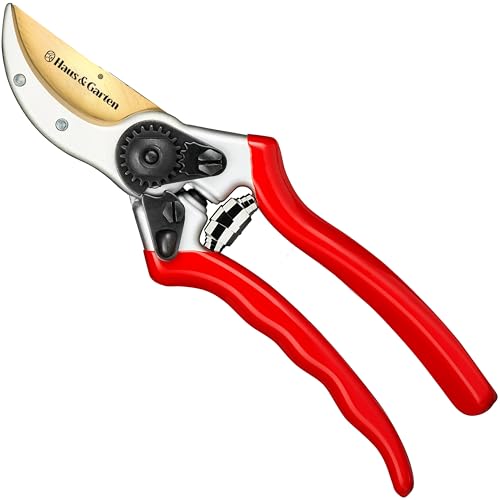
- Gather Your Tools: You'll need sharp, clean bypass pruners (secateurs), long-handled loppers for thicker canes, and thick gloves to protect your hands from thorns.
- Start with Deadheading: Cut spent flowers back to the first set of five-leaflet leaves. Make the cut at a 45-degree angle about ¼ inch above the leaf axil (where the leaf meets the stem).
- Remove Dead or Diseased Wood: Cut out any canes that are black, shriveled, or show signs of disease (like black spot or canker). Cut back to healthy, green wood.
- Thin Out Crowded Canes: Remove any thin, weak, or crossing canes to open up the center of the bush. Aim for a vase-like shape with 3-5 strong canes.
- Cut Back Long Canes: If a cane has grown excessively long, you can cut it back by about one-third to maintain the desired shape and encourage side branching.
- Clean Up: Remove all pruning debris from around the base of the plant to prevent disease and pests.
Pro Tip: Always make clean cuts at a 45-degree angle, sloping away from the bud. This prevents water from pooling on the cut surface and reduces the risk of disease.
For more detailed guidance on pruning techniques, check out our article on how to cut back rose bushes in the spring.
Deadheading: The Key to More Blooms
Deadheading is the most important summer pruning task for repeat-flowering roses. By removing faded flowers, you redirect the plant's energy from seed production to new flower buds.
How to Deadhead:
- Cut the stem just above an outward-facing leaf with five leaflets.
- For cluster-flowered roses (like floribundas), remove the entire cluster when most of the flowers have faded.
- For single-stem roses (like hybrid teas), cut the individual stem back to the first strong leaf.
Regular deadheading every 5-7 days during the blooming season will keep your roses producing flowers right through to fall.
If you're interested in other pruning techniques, our guide on how to trim rose bushes so they keep blooming offers additional tips.
Shaping and Controlling Growth
Summer is also a great time to shape your rose bush. If you have a rose that's growing too tall or wide, you can cut back the longest canes by up to one-third. This encourages the plant to branch out and become more compact and bushy.
Tips for Shaping:
- Aim for an open, vase-like shape that allows sunlight and air to reach the center of the plant.
- Cut to an outward-facing bud to encourage outward growth.
- Remove any suckers (growth from the rootstock) that appear below the graft union.
Remember, shaping is about maintaining the natural form of the rose, not forcing it into an unnatural shape. A well-shaped rose is both beautiful and healthy.
For more on shaping techniques, see our article on when and how to cut back rose bushes.
Common Summer Pruning Mistakes to Avoid
- Over-Pruning: Don't remove more than one-third of the plant's total growth in a single summer pruning session. Heavy pruning in summer can stress the plant and reduce blooming.
- Cutting Too High: Leaving a long stub above a bud can lead to dieback. Always cut just above the bud.
- Using Dull Tools: Dull pruners crush stems, making them more susceptible to disease. Keep your tools sharp and clean.
- Pruning in Wet Weather: Wet conditions can spread fungal diseases. Prune on dry, sunny days.
- Neglecting to Clean Up: Leaving prunings on the ground can harbor pests and diseases. Always dispose of them properly.
If you're also growing tomatoes, you might find our guide on how to prune tomato plants useful—many of the same principles apply!
Aftercare: Keeping Your Roses Healthy Post-Pruning
After summer pruning, your roses will appreciate some extra care to bounce back and produce more blooms:
- Water Deeply: Give your roses a good, deep watering after pruning to reduce stress.
- Fertilize Lightly: Apply a balanced rose fertilizer or a slow-release granular fertilizer to support new growth.
- Monitor for Pests: Keep an eye out for aphids, spider mites, and other pests that are attracted to tender new growth.
- Mulch: Apply a layer of organic mulch (like compost or bark chips) around the base to retain moisture and keep roots cool.
With proper aftercare, your roses will reward you with a spectacular display of blooms throughout the summer and into fall.
Frequently Asked Questions About Summer Rose Pruning
1. Can I prune my rose bush in July?
Yes, July is a great time for summer pruning, especially for deadheading and light shaping. Just avoid heavy pruning during heatwaves.
2. Can I cut my rose bush back to the ground in summer?
No, this is not recommended. Severe pruning in summer can kill the plant or severely weaken it. Save hard pruning for late winter or early spring.
3. Do I need to prune climbing roses in summer?
Climbing roses benefit from light summer pruning to remove dead wood and encourage blooming on lateral branches. However, the main pruning is done in winter.
4. Should I seal the cuts after pruning?
Generally, no. Roses heal best when cuts are left open to the air. Sealing can trap moisture and lead to disease. Just make clean cuts at the right angle.
5. How often should I deadhead my roses?
Deadhead every 5-7 days during the blooming season to encourage continuous flowering. Regular deadheading is the secret to a long blooming period.
For more rose care tips, check out our article on what is the best time of year to prune roses.
Let Gardening: Your Partner in Beautiful Roses
Pruning a rose bush in the summer is a simple yet powerful way to keep your garden vibrant and full of flowers. By following the guidelines in this article—deadheading, shaping, thinning, and removing diseased wood—you'll enjoy healthier plants and more blooms than ever before.
Remember, the key to successful summer pruning is to be gentle and consistent. A little bit of care now will pay off with a spectacular show of roses all season long. Happy gardening!