How to Trim Hydrangeas That Bloom on Old Wood
Master the art of pruning old wood hydrangeas to maximize blooms. Step-by-step guide for bigleaf, oakleaf, and other varieties that flower on last year's growth.
JUMP TO PRUNING GUIDEIf you have ever been disappointed by a hydrangea that produced few or no flowers, the culprit is often improper pruning. Hydrangeas that bloom on old wood – meaning they set their flower buds on stems that grew the previous year – require a specific approach to trimming. Cutting them at the wrong time or too aggressively can remove the buds that would have become next season's spectacular blooms.
Let Gardening guide you through the process. This comprehensive guide covers when to trim back hydrangeas, how to identify old wood, and the exact steps to prune for a healthier plant and more abundant flowers. Whether you have bigleaf (Hydrangea macrophylla), oakleaf (Hydrangea quercifolia), or climbing hydrangeas, you will find everything you need here.
Understanding Old Wood Hydrangeas
Before you pick up your pruners, it is essential to know which hydrangeas bloom on old wood. The most common types are:
- Bigleaf Hydrangeas (Hydrangea macrophylla) – including mophead and lacecap varieties
- Oakleaf Hydrangeas (Hydrangea quercifolia)
- Climbing Hydrangeas (Hydrangea anomala subsp. petiolaris)
- Mountain Hydrangeas (Hydrangea serrata)
These varieties form flower buds in late summer and fall on the stems that grew during the current season. Those buds remain dormant through winter and open the following spring and summer. If you prune these plants in fall, winter, or early spring, you will cut off the flower buds and lose the blooms for that year.
💡 Key Insight: The rule of thumb for old wood hydrangeas is to prune them immediately after they finish flowering in summer. This gives the plant enough time to produce new growth and set buds for the next year.
For more detailed timing, check our guide on when to prune hydrangeas that bloom on old wood.
When to Trim Hydrangeas That Bloom on Old Wood
The optimal window for pruning old wood hydrangeas is late summer, typically from late July to early September, depending on your climate. The goal is to trim the plant after it has finished blooming but before it starts setting next year's flower buds.
- Ideal Timing: Within a few weeks of the last flowers fading.
- Zone Considerations: In warmer regions (USDA zones 7-9), you can prune until early September. In cooler zones (4-6), finish by mid-August to allow new growth to harden before frost.
- Avoid Pruning: Do not prune in fall, winter, or early spring, as this will remove flower buds. Also, avoid pruning during extreme heat or drought.
If you are unsure when your hydrangea finishes blooming, observe the plant. Once the flowers begin to fade and turn brown, that is your signal to start trimming. For more guidance, read our article on should I cut the brown flowers off my hydrangea.
Step-by-Step Guide to Trimming Old Wood Hydrangeas
Follow these steps for a successful pruning session. Use sharp, clean pruning shears or loppers for larger branches. Always make cuts at a 45-degree angle just above a leaf node or bud.
- Assess the Plant: Begin by examining your hydrangea. Remove any dead, damaged, or diseased stems at the base. These are easy to spot because they are brittle, discolored, or show signs of rot.
- Remove Dead Wood First: Cut dead wood all the way down to the ground. This clears out clutter and allows air and light to penetrate the center of the plant, reducing the risk of fungal diseases.
- Trim Spent Blooms: Cut the faded flower heads back to the first pair of healthy leaves below the bloom. This neatens the plant and encourages the development of strong new shoots.
- Thin Out Old Canes: For older, established plants, remove up to one-third of the oldest, thickest canes at ground level. This rejuvenates the plant and stimulates new, more vigorous growth that will produce better blooms.
- Shape the Plant: Lightly shape the shrub by trimming back errant branches to create a balanced, natural form. Do not cut back all stems to a uniform height, as this can reduce flowering.
- Clean Up: Remove all pruned debris from the area to discourage pests and diseases. Compost healthy material, but discard diseased or pest-infested branches in the trash.
⚠️ Important: Never "top" your hydrangea or cut all stems back to a few inches above the ground. This is a common mistake that results in a flush of weak growth and no flowers for at least two years.
For a deeper understanding of when to cut back, see our article on how far back to cut hydrangeas in spring.
Essential Tools for Trimming Hydrangeas
Using the right tools makes the job easier and ensures clean cuts that heal quickly. Here is what you need:
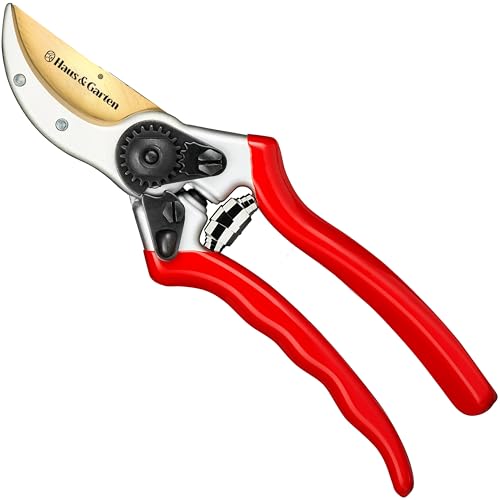
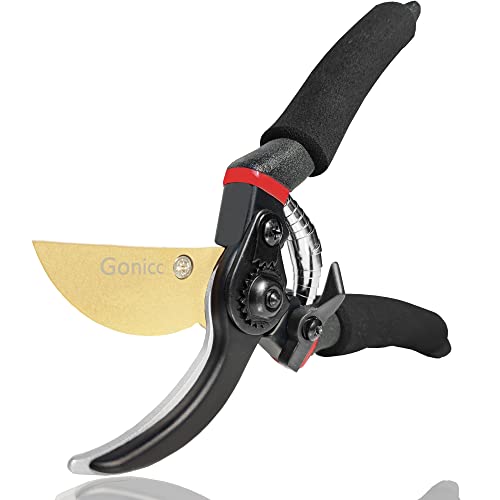
- Bypass Pruners: For stems up to ½ inch thick. Choose a model with comfortable grips and a sharp blade.
- Loppers: For thicker branches up to 1 ½ inches. These provide extra leverage.
- Pruning Saw: For very old, thick canes. A folding saw is convenient and safe.
- Gloves: Protect your hands from thorns and rough bark.
- Disinfectant: Wipe your blades with rubbing alcohol between plants to prevent the spread of disease.
🛠️ Pruning Shears We Recommend
For clean, precise cuts on hydrangea stems, look for high-quality bypass pruners with a sharp, replaceable blade. A good pair of shears will last for years and make your pruning sessions more enjoyable. Consider models with ergonomic handles to reduce hand fatigue during larger jobs.
For larger branches, a sturdy pair of loppers with compound action will give you the cutting power you need without straining your wrists.
After pruning, it is a good time to think about overall plant health. Learn how to care for your shrubs in summer to keep them thriving.
Common Pruning Mistakes and How to Avoid Them
Even experienced gardeners make errors when pruning old wood hydrangeas. Here are the most common pitfalls and how to steer clear of them:
- Pruning in Spring: This is the number one cause of bloom failure. Spring pruning removes the flower buds that developed the previous year. Wait until summer.
- Shearing the Plant: Using hedge trimmers to create a uniform shape will cut through flower buds. Only use hand pruners for selective cuts.
- Removing Too Much: Cutting more than one-third of the total stems can stress the plant and reduce flowering. Be conservative.
- Cutting at the Wrong Angle: Flat cuts or cuts too far from a bud can lead to dieback and disease. Always cut at a 45-degree angle just above a leaf node.
If you have already made a mistake and pruned at the wrong time, do not panic. The plant may not bloom the following season, but it will recover. Provide extra care with balanced fertilizer and consistent watering to encourage new, healthy growth.
Aftercare: Helping Your Hydrangea Thrive
After pruning, your hydrangea needs a little TLC to recover and produce strong new growth. Follow these tips for the best results:
- Watering: Water deeply and regularly, especially during dry spells. Hydrangeas are thirsty plants, and consistent moisture is key to good bud formation.
- Fertilizing: Apply a slow-release, balanced fertilizer specifically for flowering shrubs in early spring. Avoid high-nitrogen fertilizers, which promote leaf growth at the expense of flowers.
- Mulching: Spread a 2-3 inch layer of organic mulch around the base of the plant, keeping it away from the stems. This conserves moisture, moderates soil temperature, and suppresses weeds.
- Winter Protection: In colder zones, protect the flower buds from harsh winter winds and frost by wrapping the plant in burlap or a frost blanket.
For more on general hydrangea care, see our guide on what to do with hydrangeas in spring.
Frequently Asked Questions
Can I trim my hydrangea in the fall?
No, it is best to avoid fall pruning for old wood hydrangeas. Pruning in fall removes the flower buds that have already formed. The only exception is if you are removing dead or diseased wood.
What if I cut my hydrangea back too far?
If you accidentally prune too much, the plant will likely survive but may not bloom for a season or two. Focus on providing good care, and new growth will eventually produce flowers.
Should I cut off dead hydrangea blooms in spring?
If you did not deadhead in summer, you can remove the old, dried blooms in spring. However, be very careful to cut only the flower stem down to a pair of healthy buds, and do not cut into the old wood itself. For detailed advice, read should I cut off dead hydrangea blooms in spring.
My hydrangea has no flowers. What went wrong?
The most common reasons are: 1) pruning at the wrong time (fall, winter, or spring), 2) a late frost that killed the buds, 3) excessive shade, or 4) nutrient imbalance. Review your pruning practices and adjust accordingly.
Ready to trim your hydrangeas with confidence?
Use the guide above to prune your old wood hydrangeas at the right time and watch them reward you with an abundance of gorgeous blooms.