What to Do With Hydrangeas in Spring: Essential Care Guide
Wake up your hydrangeas from winter dormancy with expert spring care. Prune, feed, and mulch for the most spectacular blooms of the year.
Jump to Spring Care StepsWhy Spring Care Matters: Spring is the most critical time for hydrangeas. The actions you take now—from pruning to fertilizing—directly influence the size, color, and abundance of your summer blooms. Whether you have bigleaf, panicle, or oakleaf hydrangeas, the right spring routine sets the stage for a stunning display. Let Gardening guide you through every step.
Know Your Hydrangea Type Before You Prune
One of the most common spring mistakes is pruning at the wrong time. Hydrangeas fall into two main categories based on whether they bloom on old wood (last year's growth) or new wood (this year's growth).
- Old Wood Bloomers (Bloom on last year's stems): Bigleaf (Hydrangea macrophylla), Oakleaf (H. quercifolia), and Climbing Hydrangeas. Prune these immediately after they finish blooming in summer. In spring, only remove dead or damaged wood.
- New Wood Bloomers (Bloom on this year's growth): Panicle (H. paniculata) and Smooth (H. arborescens). These can be pruned in late winter or early spring before new growth emerges.
If you prune an old-wood bloomer in spring, you'll cut off the flower buds and lose blooms for the season. When in doubt, learn how to trim hydrangeas that bloom on old wood for a safe approach.
5 Essential Spring Care Steps for Hydrangeas
1. Clean Up & Inspect
Remove leaves, debris, and dead stems from around the base. This prevents fungal diseases and pests. Check for winter damage—broken branches or frost cracks—and cut back to healthy wood.
2. Prune Carefully
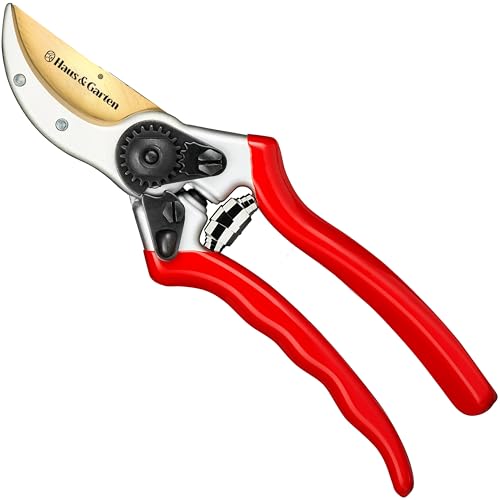
For new-wood bloomers, cut back by about one-third to promote strong new shoots. For old-wood bloomers, only remove dead or crossing branches. When to prune hydrangeas that bloom on old wood is crucial to avoid losing blooms.
3. Apply Balanced Fertilizer
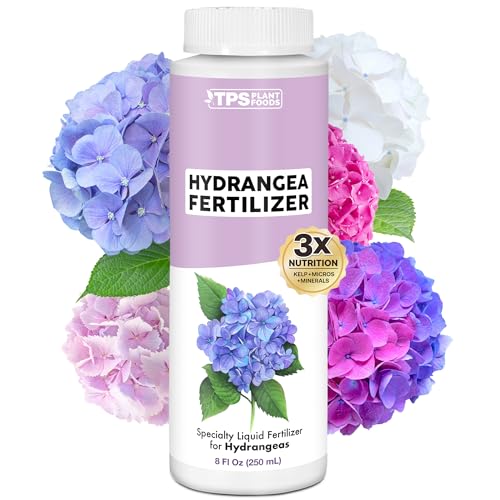
Use a slow-release, balanced fertilizer (e.g., 10-10-10) in early spring. For blue hydrangeas, apply an acidifying fertilizer or aluminum sulfate. Avoid high-nitrogen fertilizers, which encourage leaf growth at the expense of flowers.
4. Mulch to Retain Moisture
Apply 2–3 inches of organic mulch (compost, bark, or pine needles) around the base, keeping it away from the stems. Mulch conserves moisture, suppresses weeds, and moderates soil temperature.
5. Water Deeply & Consistently
Hydrangeas need about 1 inch of water per week. Water deeply at the base to encourage deep roots. In dry spring weather, increase watering to keep the soil evenly moist but not waterlogged.
Common Spring Hydrangea Questions Answered
- Should I cut my hydrangeas back in the spring? Only if they bloom on new wood. For old-wood varieties, limit pruning to dead stems. Read more about spring pruning decisions.
- Should I cut off dead hydrangea blooms in spring? Yes, remove spent flower heads from the previous season. This tidies the plant and allows more energy to go into new growth. Learn how to remove dead blooms correctly.
- How far back do you cut hydrangeas in the spring? For new-wood types, cut back to 12–18 inches from the ground. For old-wood, just thin out dead or weak stems. Get detailed pruning depth guidance.
- What about brown blooms from winter? Should I cut off brown hydrangea blooms in spring? Yes, they won't re-flower, so removing them improves the plant's appearance and health.
Spring vs. Fall Hydrangea Care
Many gardeners confuse spring and fall tasks. In fall, you should focus on cleaning up and protecting the plant for winter. How far do you cut back hydrangeas in the fall? Generally, you should only remove dead or diseased wood, not shape the plant. Spring is the time for major pruning (on new-wood varieties) and fertilization.
If you're wondering, do you cut back hydrangeas in the fall or spring? The answer depends on the type, but a good rule: old-wood bloomers are pruned in summer after flowering, new-wood in spring, and fall is for light cleanup only.
When Is the Best Time to Prune Hydrangeas?
Timing is everything. For new-wood hydrangeas (panicle and smooth), prune in late winter or early spring before new growth begins. For old-wood types, prune immediately after flowering in summer. When is the best time to trim back hydrangeas? Always follow the type-specific rule to avoid cutting off future blooms.
If you have oakleaf hydrangeas, when is the best time to trim oak leaf hydrangeas? They bloom on old wood, so prune them right after they flower in early summer.
Troubleshooting Spring Hydrangea Problems
- No blooms in spring? Likely caused by winter kill or improper pruning. Protect plants with mulch and prune only dead wood.
- Yellowing leaves? Could be iron deficiency (chlorosis). Apply a chelated iron supplement to the soil.
- Powdery mildew? Improve air circulation by thinning out crowded stems and avoid overhead watering.