Should I Cut My Hydrangeas Back in Spring?
Expert pruning guide for lush blooms. Learn when and how to prune hydrangeas for spectacular flowers season after season.
START PRUNING YOUR HYDRANGEAS →🌿 The Short Answer
It depends on your hydrangea type! If you have bigleaf (macrophylla) or oakleaf (quercifolia) hydrangeas, DO NOT cut them back heavily in spring—they bloom on old wood. For panicle (paniculata) and smooth (arborescens) hydrangeas, spring pruning is essential—they bloom on new wood. Read on for the complete guide to pruning your hydrangeas correctly.
If you're wondering, "Should I cut my hydrangeas back in the spring?" you're not alone. This is one of the most common questions among gardeners, and for good reason—cutting hydrangeas at the wrong time can cost you an entire season of blooms. Learn more about fall pruning and how it differs from spring care.
In this comprehensive guide, we'll explain exactly when and how to prune hydrangeas based on their variety. By the end, you'll know precisely what to do with your hydrangeas in spring, whether you're growing them in the ground or in containers. For more seasonal advice, check out what to do with hydrangeas in the spring.
Know Your Hydrangea: Old Wood vs. New Wood
The single most important factor in deciding whether to prune your hydrangeas in spring is understanding how your hydrangea blooms. Hydrangeas fall into two main categories:
- Old Wood Bloomers: These hydrangeas form flower buds on stems that grew during the previous year. Pruning in spring removes those buds, resulting in no flowers for the season. Examples: Bigleaf, Oakleaf, Mountain, and Climbing hydrangeas.
- New Wood Bloomers: These hydrangeas produce flowers on stems that grow in the current season. Spring pruning is beneficial and encourages stronger, healthier growth with more blooms. Examples: Panicle (PeeGee) and Smooth (Annabelle) hydrangeas.
If you're still unsure which type you have, look at when it blooms. Old wood bloomers typically flower in early to mid-summer, while new wood bloomers bloom from mid-summer through fall. This distinction is critical when planning your pruning schedule for old wood hydrangeas.
| Hydrangea Type | Scientific Name | Blooms On | Spring Pruning? |
|---|---|---|---|
| Bigleaf (French) Hydrangea | Hydrangea macrophylla | Old Wood | ❌ NO |
| Oakleaf Hydrangea | Hydrangea quercifolia | Old Wood | ❌ NO |
| Mountain Hydrangea | Hydrangea serrata | Old Wood | ❌ NO |
| Climbing Hydrangea | Hydrangea anomala petiolaris | Old Wood | ❌ NO |
| Panicle Hydrangea (PeeGee) | Hydrangea paniculata | New Wood | ✅ YES |
| Smooth Hydrangea (Annabelle) | Hydrangea arborescens | New Wood | ✅ YES |
For detailed guidance on trimming specific varieties, check out when to trim oak leaf hydrangeas and how to trim hydrangeas that bloom on old wood.
Spring Pruning Guide by Hydrangea Type
For New Wood Bloomers (Panicle & Smooth Hydrangeas)
Yes, you should cut these hydrangeas back in the spring! Late winter to early spring (February–March) is the ideal time. Here's a complete how far back do you cut hydrangeas in the spring guide:
📌 Quick Tip: For panicle hydrangeas, you can cut back by one-third to one-half of the plant's height. For smooth hydrangeas, you can cut back to 4–6 inches from the ground. Both respond well to hard pruning.
For more detailed information on when to prune panicle hydrangeas and smooth hydrangea pruning, read on. Pruning these varieties in spring encourages larger flowers, stronger stems, and a more compact, attractive shape. If you're looking for advice on deadheading brown blooms in spring, we've got you covered.
How to Prune New Wood Bloomers in Spring:
- Wait until late winter or early spring when the plant is dormant but before new growth begins.
- Remove dead, damaged, or crossing branches first to improve air circulation and plant health.
- Cut back remaining stems to the desired height—about 12–18 inches for a more compact shape, or up to 3 feet for a taller plant.
- Remove up to one-third of the plant to rejuvenate growth and encourage larger blooms.
- Thin out crowded areas by removing some of the older, thicker stems at the base.
After pruning, consider whether removing dead hydrangea blooms in spring will help tidy up your plant and encourage more flowers.
For Old Wood Bloomers (Bigleaf & Oakleaf Hydrangeas)
No, you should NOT cut these hydrangeas back in the spring—at least not heavily. Spring pruning of old wood bloomers removes the flower buds that formed the previous year, sacrificing your summer blooms. However, light pruning is acceptable to remove dead or damaged wood.
⚠️ Important: For bigleaf hydrangeas, only prune immediately after they finish blooming in mid-to-late summer. This gives the plant time to set new flower buds for the following year. If you miss this window, wait until next year to prune.
If you need to renovate an overgrown old wood hydrangea, consider pruning in the fall or winter when the plant is dormant, but understand that you may lose a season of blooms. For more comprehensive care, read about whether to cut back hydrangeas in fall or spring.
Light Spring Maintenance for Old Wood Bloomers:
- Remove dead and damaged branches first—these can be cut back to the base.
- Cut out crossing or rubbing branches to improve airflow and prevent disease.
- Remove spent flower heads from the previous season (but be careful not to damage the buds below).
- Limit pruning to less than 25% of the total plant to avoid reducing flower production.
- If you must prune more, do it in late summer right after blooming finishes.
Also, consider whether cutting brown flowers off hydrangeas is beneficial for your specific variety before you start pruning.
Essential Spring Care for Hydrangeas (Beyond Pruning)
Spring is also the perfect time to prepare your hydrangeas for a spectacular growing season. Here are the most critical tasks to tackle in spring, alongside pruning:
1. Fertilizing
Apply a balanced, slow-release fertilizer in early spring as new growth begins. A formula with an NPK ratio of 10-10-10 or 14-14-14 is ideal. For blue flowers, use a fertilizer formulated for acid-loving plants with lower phosphorus and higher potassium to maintain soil acidity.
2. Mulching
Apply a 2–3 inch layer of organic mulch (bark, compost, or pine needles) around the base. This conserves moisture, regulates soil temperature, and suppresses weeds. Keep mulch away from the plant stem to prevent rot.
3. Watering
Hydrangeas prefer consistent moisture. Water deeply once a week during dry spells, ensuring the soil stays evenly moist but not waterlogged. Overwatering can lead to root rot, while underwatering causes wilting.
4. Pest and Disease Prevention
Inspect your hydrangeas for pests like aphids, spider mites, and powdery mildew. Treat with insecticidal soap or neem oil at the first sign of infestation. Good air circulation through proper pruning helps prevent many fungal diseases.
For more on seasonal maintenance, check out these other helpful guides: caring for plants after they bloom and rose care in summer.
Frequently Asked Questions About Spring Hydrangea Pruning
🔹 What happens if I cut my hydrangea back in the spring by mistake?
If you prune a hydrangea that blooms on old wood in spring, you'll likely lose all or most of the flowers for that season. The plant will still grow new leaves and stems, but it will not bloom until the following year. The good news is the plant will survive, and you can enjoy blooms again next year.
🔹 How far back should you cut hydrangeas in the spring?
For new wood bloomers, cut back by one-third to one-half of the plant's height. For old wood bloomers, only remove dead, damaged, or crossing branches—less than 25% of the total plant. Refer to our comprehensive guide on pruning depth for more details.
🔹 When should I prune hydrangeas that bloom on old wood?
Prune old wood bloomers immediately after they finish flowering in summer (July–August). This allows the plant to produce new growth and set flower buds for the next year. For more detailed timing advice, see our guide on when to prune old wood hydrangeas.
🔹 Can I prune my hydrangea if it's already leafing out in spring?
If the plant has already started producing leaves, avoid major pruning. This is a sign that the plant is actively growing. For old wood bloomers, it's too late to prune without losing flowers. For new wood bloomers, you can still prune lightly, but it's best to do it before active growth begins for optimal results.
🔹 Should I cut off brown hydrangea blooms in spring?
Yes, you can remove dead flower heads in spring to improve the plant's appearance, but be careful not to remove the buds below them if you have an old wood bloomer. For new wood bloomers, you can safely cut off the old blooms. Learn more in our guide on removing brown hydrangea blooms in spring.
Essential Tools for Pruning Hydrangeas
Having the right pruning tools makes a significant difference in the health of your hydrangeas. Here's what you need:
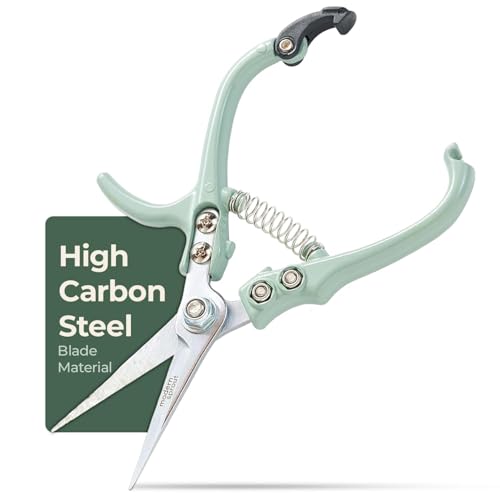
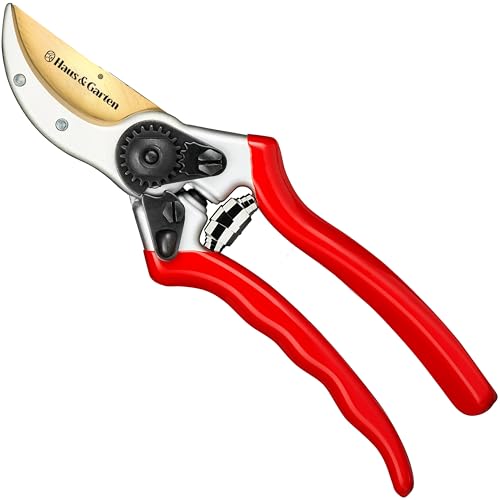
- Bypass Pruners – for clean cuts on branches up to ¾ inch thick. Look for quality brands like Felco, Fiskars, or Corona.
- Loppers – for thicker stems up to 1½ inches. These provide more leverage and make pruning larger branches easier.
- Pruning Saw – for branches thicker than 1½ inches, especially on mature or overgrown hydrangeas.
- Gloves – to protect your hands from thorns and sap (hydrangea sap can cause skin irritation).
- Disinfectant (70% Isopropyl Alcohol) – to sterilize blades between cuts, preventing disease transmission between plants.
For more tool recommendations, explore our guides on garden tools and pruning shears to find the best equipment for your gardening needs.
🌺 Ready to Prune Your Hydrangeas?
Now you know exactly when and how to cut your hydrangeas in spring. Use this guide to ensure your hydrangeas reward you with stunning blooms year after year.
View the Complete Pruning GuideSo, should you cut your hydrangeas back in the spring? The answer depends entirely on the variety you're growing. If you have panicle or smooth hydrangeas, yes—pruning them in late winter to early spring will promote stronger growth and larger, more abundant blooms. If you have bigleaf, oakleaf, mountain, or climbing hydrangeas, no—they bloom on old wood and should be pruned immediately after flowering in summer.
By following this expert hydrangea pruning guide, you'll avoid common mistakes and ensure your plants are happy, healthy, and full of vibrant flowers. Happy gardening!