The Quick Answer: Should You Cut Off Dead Hydrangea Blooms in Spring?
Yes, you should generally cut off dead hydrangea blooms in spring. However, the exact method and timing depend on whether your hydrangea blooms on old wood or new wood. Removing spent flowers not only improves the plant's appearance but also encourages healthier growth and more abundant blooms. For a deeper dive into different pruning approaches, check out our guide on how far back do you cut hydrangeas in the spring.
Quick Tip: If you're unsure about your hydrangea type, observe when it blooms. If it flowers in early summer on last year's growth, it blooms on old wood. If it flowers in mid-to-late summer on new growth, it blooms on new wood.
Why You Should Prune Dead Hydrangea Blooms
Pruning dead blooms in spring is essential for several reasons. First, it improves the aesthetic appeal of your garden by removing unsightly, brown, dried-out flowers. Second, it redirects the plant's energy from seed production to root and foliage development, leading to a healthier plant. Third, it can stimulate new growth and encourage more vibrant blooms. For those wondering about the distinction between cutting dead blooms and more severe pruning, our article on should I cut the brown flowers off my hydrangea provides additional clarity.
Understanding Hydrangea Types: Old Wood vs. New Wood
The most critical factor in deciding how to prune your hydrangea is understanding its blooming habit.
Hydrangeas That Bloom on Old Wood
These hydrangeas set their flower buds in the previous growing season. Pruning them heavily in spring removes these buds and results in little to no blooming for the year. Common varieties include:
- Bigleaf Hydrangeas (Hydrangea macrophylla): Includes mophead and lacecap types.
- Oakleaf Hydrangeas (Hydrangea quercifolia): Known for their beautiful fall foliage.
- Climbing Hydrangeas (Hydrangea anomala petiolaris).
For these types, deadheading—removing only the dead flower heads—is the safe approach in spring. You can learn more about the specific timing for these varieties in our guide on when is the best time to trim oak leaf hydrangeas.
Hydrangeas That Bloom on New Wood
These hydrangeas produce flowers on the current season's growth. You can prune them more aggressively in late winter or early spring, as they will still produce blooms. Common varieties include:
- Panicle Hydrangeas (Hydrangea paniculata): Includes 'Limelight' and 'Vanilla Strawberry'.
- Smooth Hydrangeas (Hydrangea arborescens): Includes 'Annabelle'.
For these, you can safely cut back dead blooms and shape the plant without fear of losing flowers. For a detailed comparison of pruning practices for different types, see do you cut back hydrangeas in the fall or spring.
The Best Time to Prune Dead Hydrangea Blooms
The ideal time to prune dead blooms in spring is after the last hard frost. The faded flowers from the previous year provide some winter protection for the buds underneath. Waiting until the threat of frost has passed ensures you don't damage new growth. If you live in a region with unpredictable weather, our guide on what do you do with hydrangeas in the spring offers region-specific advice.
Step-by-Step Guide: How to Cut Off Dead Hydrangea Blooms
Follow these simple steps for effective pruning:
- Identify the dead blooms: Look for dry, brown, or faded flower heads from the previous season.
- Find the first set of healthy buds: Trace the stem down from the dead flower head until you find the first pair of strong, plump, green buds.
- Make the cut: Using clean, sharp pruning shears, cut about ¼ inch above the healthy buds at a 45-degree angle. This encourages water runoff and prevents disease.
- Remove weak or damaged stems: While you're at it, remove any thin, damaged, or crossing branches to improve airflow and light penetration.
This technique is effective for all hydrangea types. For more detailed pruning strategies for specific varieties, explore our article on how to trim hydrangeas that bloom on old wood.
Common Pruning Mistakes to Avoid
Many gardeners make mistakes when pruning hydrangeas. Here are the most common ones to avoid:
- Pruning too early: Cutting back in late winter or early spring before the last frost can expose new buds to cold damage.
- Pruning old wood hydrangeas too heavily: This removes the flower buds, resulting in a season with no blooms. If you have an old wood hydrangea and are unsure, just deadhead.
- Using dull tools: Dull shears can crush stems instead of making a clean cut, leaving the plant vulnerable to disease.
- Cutting at the wrong angle: Cutting straight across can collect water, promoting rot. Always cut at a 45-degree angle.
For more guidance on seasonal care, especially for fall and winter, see our articles on should I cut off brown hydrangea blooms in winter and should I cut my hydrangeas back in the spring.
Essential Tools for Pruning Hydrangeas
Using the right tools makes pruning easier and healthier for your plants. Here are the essentials:
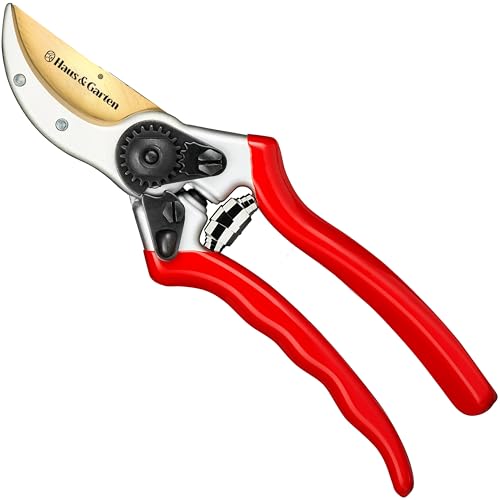
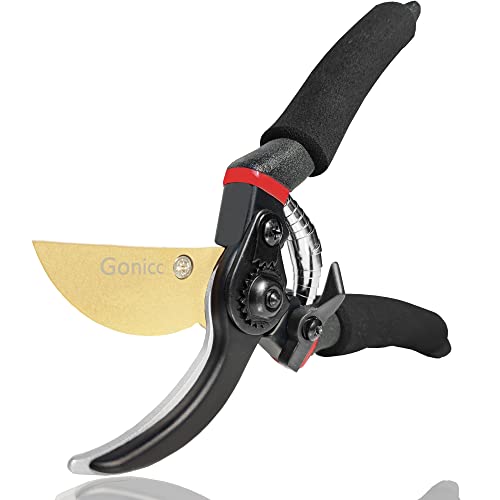
- Pruning Shears (Hand Pruners): Essential for cutting stems up to ¾ inch thick. Bypass pruners are recommended for a clean cut.
- Loppers: For thicker branches, loppers provide more leverage. They are ideal for stems up to 1.5 inches thick.
- Pruning Saw: For large, old hydrangeas that may have thick, woody stems, a pruning saw is necessary.
- Gloves: Protect your hands from thorns and rough stems.
These tools are available online or at your local garden center. Maintaining your tools, especially cleaning and sharpening, ensures they last longer and perform better. For those looking to expand their gardening toolkit, our guide to Garden Tools offers comprehensive recommendations.
Frequently Asked Questions
What if my hydrangea didn't bloom last year?
If your hydrangea didn't produce any flowers, it could be due to a harsh winter that killed the flower buds, or because it was pruned at the wrong time. In this case, perform a spring deadheading and avoid any further pruning. A balanced fertilizer can help encourage new blooms.
Can I just snap the dead blooms off with my hands?
While you can snap off dry blooms, using a tool makes a cleaner cut, which is better for the plant's health. Snapping can sometimes tear the stem, creating a jagged wound that takes longer to heal and can invite disease.
What if I cut off a stem that has new growth?
If you accidentally cut a stem with new growth, it's usually okay. Try to cut just above the new leaves or buds to avoid removing too much. The plant will be fine, as long as you haven't pruned the entire plant back excessively.
For those who garden in containers and want to add color to their patio, you might also find our article on extra large rectangular plastic planters for outside useful for creating a stunning container garden.