Should I Cut Off Brown Hydrangea Blooms in Winter?
Discover the expert-backed answer to this common winter gardening question. Learn the best practices for pruning, deadheading, and protecting your hydrangeas to ensure a stunning display of blooms next spring.
Get the Expert Answer NowIn This Guide
The Expert Answer: Yes, But With Conditions
Should you cut off brown hydrangea blooms in winter? The short answer is yes, but the timing and method depend on your specific hydrangea type. For most hydrangeas, particularly those that bloom on old wood (learn about old wood vs. new wood), removing brown blooms in winter can be beneficial. However, you need to be careful not to cut off next year's flower buds in the process.
Key Takeaway: For varieties like Hydrangea macrophylla (bigleaf), H. serrata, and H. quercifolia (oakleaf), the brown blooms can be removed, but leave the stem just below the flower head. Avoid cutting back into the bare wood, as this can remove buds that will produce next spring's flowers.
For hydrangeas that bloom on new wood, such as H. arborescens (smooth) and H. paniculata (panicle), the rules are a bit different. These can be pruned more aggressively, even in late winter or early spring, without sacrificing blooms. But for the purpose of cleaning up the plant and improving its appearance, removing the spent brown blooms is still a good practice.
This winter pruning task is about aesthetics and plant health. By removing the dry, brown flower heads, you prevent the plant from wasting energy on dead tissue and reduce the risk of disease. It also allows you to inspect the plant's structure for any damaged or crossing branches that might need attention.
Why You Should (or Shouldn't) Prune Brown Hydrangea Blooms
Reasons to Prune Brown Blooms
- Aesthetic Improvement: Brown, dried blooms can make your winter garden look untidy. Removing them instantly neatens the plant and improves the overall appearance of your landscape.
- Disease Prevention: Dead blooms can harbor fungal spores and pests over winter. By removing them, you reduce the chance of diseases like botrytis or powdery mildew taking hold come spring.
- Energy Redirection: The plant expends energy trying to maintain dead tissue. Removing spent blooms redirects that energy to the roots and remaining healthy wood, promoting stronger growth in spring.
- Better Air Circulation: Removing dense clusters of dead blooms improves airflow through the plant, which can help prevent fungal issues, especially in climates with wet winters.
When You Might Leave Them
- Winter Interest: Some gardeners appreciate the aesthetic of dried hydrangea blooms, especially when they catch frost or snow. If you enjoy this winter look, you can delay pruning until early spring.
- Protection for Flower Buds: In colder climates (USDA zones 5 and below), leaving the old blooms can provide a small amount of protection for the flower buds below them, though this is minimal.
- Wildlife Habitat: Dried flower heads can sometimes provide shelter for beneficial insects and spiders over winter. If you have a wildlife-friendly garden, consider leaving a few.
Ultimately, the decision comes down to your personal preference and garden goals. If you want a tidy garden and optimal spring performance, pruning is the way to go. If you prioritize winter interest and wildlife, you can wait until spring to remove the dead blooms.
When Is the Best Time to Prune?
The ideal time to cut off brown hydrangea blooms is in late winter, just before new growth begins in spring. For most regions, this is between late February and early April, depending on your climate. Pruning at this time allows you to remove dead material without risking damage to new shoots that might emerge if you prune too early.
Pro Tip: In warmer climates (USDA zones 7-9), you can safely prune in late winter. In colder zones (5-6), wait until you see signs of new growth, which ensures the plant has survived the winter and you won't prune dead wood that should be removed anyway. Learn more about when to cut back hydrangeas in fall or spring.
It's also worth noting that if you have a particularly harsh winter, you might need to wait until you can assess which parts of the plant have actually died back. This "wait and see" approach can save you from accidentally cutting into healthy tissue.
How to Cut Off Brown Hydrangea Blooms Safely
Follow these simple steps to remove brown hydrangea blooms without harming your plant:
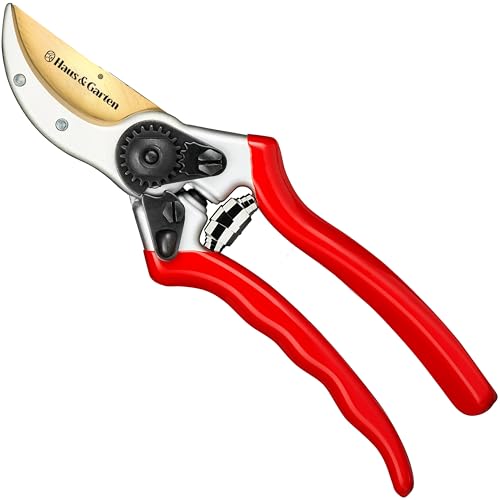
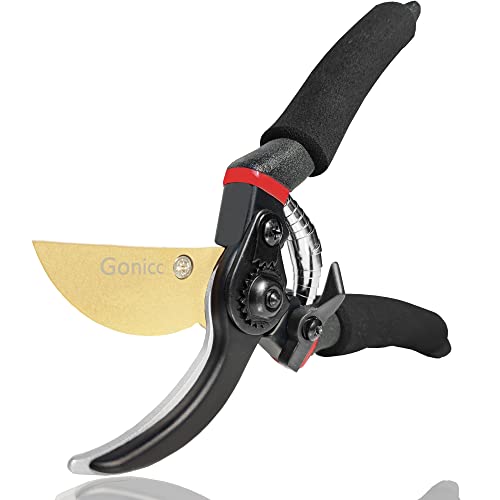
- Use Clean, Sharp Tools: Always use sharp pruning shears or secateurs. Clean them with rubbing alcohol or a bleach solution (1 part bleach to 9 parts water) to prevent the spread of disease.
- Identify the Correct Cut Point: For old wood bloomers, locate the first set of healthy, plump buds below the dead flower head. Cut the stem just above these buds. For new wood bloomers, you can cut the stem back to about one-third of its length in late winter, but you can also simply deadhead the spent bloom.
- Angle Your Cut: Make your cut at a slight angle (about 45 degrees) to allow water to run off the cut surface, preventing rot.
- Remove All Dead Material: After cutting, collect all the spent blooms and dispose of them in the trash or compost (if your compost gets hot enough to kill any pathogens).
For a visual guide and more detailed instructions, you might also be interested in how to trim hydrangeas that bloom on old wood.
If you're also dealing with other winter tasks, check out our guide on when to trim oakleaf hydrangeas to keep your entire garden in top shape.
Protecting Your Hydrangeas Through Winter
Pruning brown blooms is just one part of winter care. To ensure your hydrangeas thrive, consider these additional protective measures:
- Mulching: Apply a 2-3 inch layer of mulch (wood chips, straw, or leaves) around the base of the plant to insulate the roots and protect them from freezing temperatures.
- Watering: If you have a dry winter, give your hydrangeas a deep watering every few weeks. This is especially important for newly planted shrubs.
- Winter Wrapping (for Cold Climates): In very cold zones, you can protect the flower buds by wrapping the plant in burlap or frost cloth. This is particularly helpful for varieties that bloom on old wood.
- Removing Snow: If heavy snow accumulates on the branches, gently brush it off to prevent breakage. This is a common issue in regions with heavy snowfall.
By combining winter protection with proper pruning, you set your hydrangeas up for success. For more seasonal advice, see our guide on what to do with hydrangeas in the spring to prepare for the upcoming growing season.
Common Mistakes to Avoid
- Cutting Too Early: Pruning in autumn or early winter can stimulate new growth that will be killed by frost. Always wait for late winter or early spring.
- Cutting Too Short: For old wood bloomers, cutting stems back too far removes the flower buds. Never cut back more than one-third of the stem length on these varieties.
- Ignoring the Plant's Health: If you see signs of dieback, such as blackened or shriveled stems, prune these back to healthy green wood. This is not just about dead blooms but the overall health of the plant.
- Using Dull Tools: Dull blades can crush stems, making them more susceptible to disease. Always keep your tools sharp.
- Forgetting to Clean Up: Leaving fallen dead blooms and leaves around the base of the plant can harbor pests and disease. Clean up the area after pruning.
Frequently Asked Questions (FAQs)
Can I cut off brown hydrangea blooms in the fall?
It's generally better to wait until late winter. Fall pruning can encourage new growth that won't harden off before frost. However, if the blooms are unsightly, a light deadheading is safe. For more on fall care, see our article on how far to cut back hydrangeas in the fall.
What if my hydrangea didn't bloom last year?
If your hydrangea didn't bloom, it could be due to pruning at the wrong time, winter damage, or nutrient issues. Removing brown blooms in winter is still fine, but you should also assess other factors. Read our guide on whether to cut off dead hydrangea blooms in spring for more insights.
Should I cut off brown blooms from my hydrangea in spring instead?
Yes, early spring is a great time to cut them off. This allows you to see exactly what parts of the plant are dead and what is beginning to leaf out. This is often the preferred approach in colder zones. Learn more in our article on cutting hydrangeas back in the spring.
What about hydrangeas that bloom on new wood?
For these (like smooth and panicle hydrangeas), you can be more aggressive. In late winter, you can cut them back to about 1-2 feet from the ground. This encourages strong new growth and large flowers. But you can also just remove the dead blooms with a simple snip.
Make the Right Choice for Your Hydrangeas
Deciding whether to cut off brown hydrangea blooms in winter doesn't have to be complicated. For most gardeners, the answer is a resounding yes, but with the caveat that you must know your hydrangea type and practice proper technique.
By following the advice in this guide, you can:
- Improve the appearance of your garden in winter and spring.
- Reduce the risk of disease and pests.
- Encourage a more robust and beautiful bloom show next season.
Remember, if you have any doubts about your specific hydrangea variety, consult a local gardening expert or nursery. And always prioritize the health of your plant over strict pruning rules. With the right care, your hydrangeas will reward you with years of stunning flowers.
Ready to take action? Equip yourself with the right tools for the job. Quality pruning shears and protective gear are essential for successful winter gardening. Check out our recommendations for essential garden tools and supplies below.