Should I Cut Off Brown Hydrangea Blooms in Spring?
Get the definitive answer and step-by-step pruning guide to ensure your hydrangeas bloom beautifully this season. Learn when, why, and how to prune.
Jump to Pruning Guide ↓The short answer: yes, but it depends on your hydrangea type. Cutting off brown, dead blooms in spring is a common practice, but doing it incorrectly can cost you this year's flowers. This guide explains exactly what to do for bigleaf, panicle, oakleaf, and smooth hydrangeas so you can prune with confidence.
🌱 Quick Answer: If your hydrangea blooms on old wood (like bigleaf and oakleaf), wait until new growth emerges in spring, then cut brown blooms just above the first set of healthy buds. If your hydrangea blooms on new wood (like panicle and smooth), you can cut brown blooms back more aggressively in late winter or early spring.
Why Prune Brown Hydrangea Blooms in Spring?
Removing spent, brown blooms—also known as deadheading—offers several benefits:
- Improves aesthetics: Removes unsightly brown flowers and makes way for fresh foliage and new blooms.
- Encourages more blooms: Redirects energy from seed production to new flower growth.
- Prevents disease: Dead blooms can harbor fungal spores and pests over winter.
- Keeps the plant tidy: Helps maintain a neat shape and prevents breakage from heavy, dried flower heads.
However, timing and technique matter. Pruning at the wrong time or in the wrong way can remove the flower buds that are already set for the coming season.
Understanding Hydrangea Bloom Types
① Old Wood Bloomers
Examples: Bigleaf (macrophylla), Oakleaf (quercifolia), Mountain (serrata), Climbing (anomala).
These set their flower buds in late summer/fall on the previous year's growth. Prune them in spring only after you see new green buds forming below the dead bloom. Cut just above those buds.
⚠️ If you prune too early or too hard, you'll remove the flower buds and get no blooms this year.
② New Wood Bloomers
Examples: Panicle (paniculata), Smooth (arborescens).
These form flower buds on the current season's growth (new wood). They are more forgiving and can be pruned in late winter or early spring before new growth starts.
✅ You can cut them back by up to one-third to control size and encourage larger blooms.
How to Cut Off Brown Hydrangea Blooms: Step-by-Step
Follow these simple steps for a successful spring pruning:
- Identify your hydrangea type – determine if it blooms on old wood or new wood.
- Wait for signs of life – look for swelling green buds along the stems. This usually happens in early to mid-spring, depending on your zone.
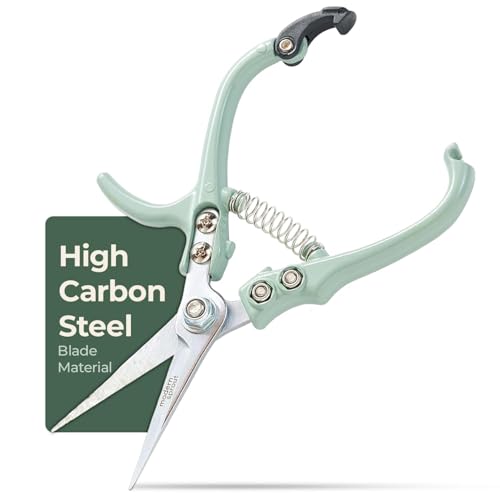
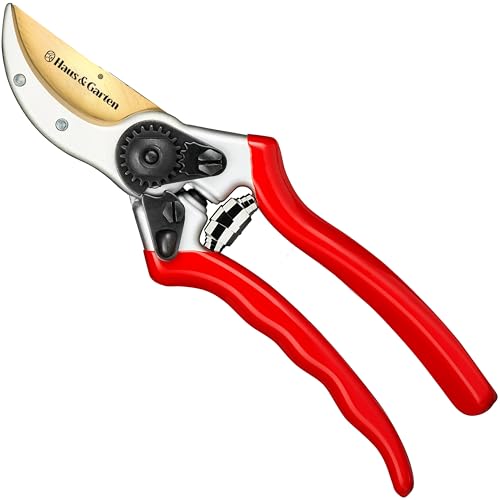
- Gather sharp, clean pruners – sterilize with rubbing alcohol to prevent disease spread.
- Cut the stem – for old wood bloomers, make the cut just above the first healthy set of buds below the brown flower head. For new wood bloomers, you can cut further down to shape the plant.
- Remove any dead or damaged branches – cut them back to the base or to a healthy outward-facing bud.
- Clean up debris – remove all dead blooms and trimmings from around the plant to prevent pests.
Pruning Comparison: Old Wood vs New Wood
| Characteristic | Old Wood Bloomers | New Wood Bloomers |
|---|---|---|
| Examples | Bigleaf, Oakleaf, Mountain | Panicle, Smooth |
| When to prune | Spring, after buds emerge | Late winter to early spring |
| Where to cut | Just above first healthy buds | Can cut back by ⅓ to shape |
| Risk of losing blooms | High if cut too early or too low | Low; blooms on new growth |
| Deadheading needed? | Yes, but careful | Yes, more flexible |
Expert Tips for Spring Hydrangea Care
- Fertilize wisely – apply a balanced, slow-release fertilizer (like 10-10-10) in spring to promote healthy growth. Avoid over-fertilizing, which can lead to lush foliage but fewer blooms. Consider a balanced fertilizer for best results.
- Mulch matters – add a 2-3 inch layer of organic mulch around the base to retain moisture and regulate soil temperature.
- Water deeply – hydrangeas prefer consistent moisture. Water at the base of the plant, not overhead, to prevent fungal issues.
- Protect from late frosts – if a late frost is forecasted, cover your hydrangeas with a sheet or burlap to protect emerging buds.
- Consider soil pH – for bigleaf hydrangeas, soil pH affects flower color. Add aluminum sulfate for blue blooms or garden lime for pink blooms (consult a soil test first).
❌ Common Pruning Mistakes to Avoid:
- Pruning old wood bloomers in fall or winter – you'll remove next year's flower buds.
- Cutting all stems to the ground – only do this for new wood bloomers like 'Annabelle'.
- Leaving brown blooms on too long – they can harbor pests and disease over winter.
- Using dull pruners – makes ragged cuts that invite disease.
Frequently Asked Questions
Can I cut off brown hydrangea blooms in fall instead of spring?
For most hydrangeas, it's better to wait until spring. The brown blooms provide some winter interest and protect the buds below from frost. However, you can remove them in fall if you prefer a tidier look, but be aware you may lose some buds if a harsh winter follows.
What if I accidentally cut off too much?
Don't panic! The plant may still produce foliage and some blooms, especially if it's a new wood bloomer. For old wood bloomers, you may lose flowers this year, but the plant will recover and bloom next year. Just avoid making the same mistake next season.
My hydrangea has no green buds yet – should I wait?
Yes! Wait until you see green buds swelling before pruning. If you prune too early, you risk cutting off the flower buds. Patience is key. This usually happens when the soil warms up and days lengthen in spring.
🌺 Ready to get pruning? With the right technique, your hydrangeas will reward you with abundant, gorgeous blooms all summer long.
Still unsure about your hydrangea type? Check out our detailed guide on when to cut back hydrangeas for more clarity.
For more hydrangea care tips, explore our guides on deadheading hydrangeas in spring, fall pruning techniques, and pruning old wood hydrangeas. You may also find our spring hydrangea care checklist helpful.