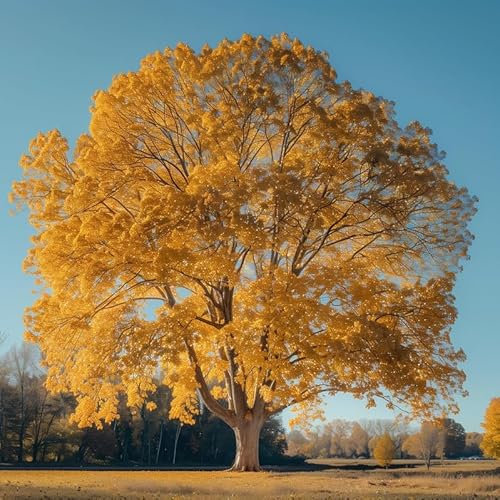
The Majestic Sycamore Tree: A Complete Guide
Discover everything you need to know about planting, growing, and caring for the American sycamore—a tree of strength, beauty, and timeless appeal.
JUMP TO CARE GUIDE🌳 Why Choose a Sycamore Tree? The American sycamore (Platanus occidentalis) is one of North America's most iconic trees. Known for its massive size, striking peeling bark, and impressive canopy, it's a favorite for large landscapes, parks, and natural areas. This guide covers everything from planting to pest management.
Sycamore Tree at a Glance
Scientific Name
Platanus occidentalis
Mature Height
75–100 ft (up to 130 ft)
Growth Rate
Fast (2–3 ft/year)
Soil Preference
Moist, well-drained
Sun Exposure
Full sun
Hardiness Zones
4–9 (U.S.D.A.)
What is a Sycamore Tree?
The sycamore tree is a large, deciduous hardwood native to the eastern and central United States. It's easily recognized by its mottled, peeling bark that reveals smooth, creamy white inner bark. Its broad, maple-like leaves provide ample shade, and its round seed balls (achenes) persist through winter, offering food for birds.
This tree is a champion of resilience, often found along riverbanks and in floodplains. Its ability to tolerate wet soils and urban conditions makes it a versatile choice for many landscapes.
For those interested in other large shade trees, you might also enjoy our guide on the sycamore tree, or explore options like the spider lily for a different kind of garden beauty.
How to Plant a Sycamore Tree
Planting a sycamore correctly is the first step to a healthy, long-lived tree. Follow these best practices for success.
1. Choose the Right Location
Sycamores need plenty of space. Avoid planting near buildings, power lines, or septic systems. They thrive in full sun and prefer moist, deep, well-drained soil, though they are adaptable to many soil types.
2. Planting Steps
- Dig a Wide Hole: The hole should be 2-3 times wider than the root ball, but no deeper. This encourages roots to spread outward.
- Position the Tree: Place the tree so the top of the root ball is level with the ground. Remove any burlap or wire basket.
- Backfill and Water: Fill the hole with native soil, tamping down gently to remove air pockets. Water deeply immediately after planting.
- Mulch: Apply a 2-3 inch layer of mulch around the base, keeping it away from the trunk to prevent rot.
For a comprehensive guide on planting trees, check out our gardening for beginners resource.
Sycamore Tree Care Guide
Once established, sycamores are relatively low-maintenance. However, proper care ensures they remain healthy and vibrant for decades.
Watering
Water young trees regularly during the first 2-3 years to establish a deep root system. Mature sycamores are fairly drought-tolerant but appreciate occasional deep watering during extended dry periods.
Fertilizing
If growth is slow or leaves are pale, apply a balanced fertilizer in early spring. A soil test can help determine specific nutrient needs.
Pruning
Prune in late winter to early spring before new growth begins. Remove dead, diseased, or crossing branches. Maintaining a strong central leader is key to a durable structure.
Proper pruning techniques are also crucial for other plants in your garden. Learn more about pruning tips for all your trees and shrubs.
Pest and Disease Management
Sycamores are susceptible to a few common issues, but with vigilance, most can be managed.
- Anthracnose: A fungal disease that causes leaf spots and twig dieback. Prevent by cleaning up fallen leaves and applying fungicides in spring if needed.
- Powdery Mildew: Appears as a white powdery substance on leaves. Improve air circulation and treat with fungicide.
- Sycamore Scale: Small insects that suck sap. Use horticultural oil or introduce beneficial insects like ladybugs.
For natural solutions to garden pests, explore our guide on natural ways to get rid of weeds in the garden, which can also be applied to pest control.
Why Plant a Sycamore Tree?
The sycamore offers numerous benefits, making it a valuable addition to any large property:
- Shade and Cooling: Its massive canopy provides excellent shade, reducing cooling costs in summer.
- Wildlife Habitat: The seeds, bark, and branches support birds, squirrels, and beneficial insects.
- Erosion Control: Deep roots stabilize soil, making it ideal for planting near streams or on slopes.
- Aesthetic Value: Its striking bark and impressive size make it a stunning focal point in any landscape.
- Carbon Sequestration: As a fast-growing tree, it absorbs significant amounts of CO2, contributing to a healthier environment.
If you're considering other fast-growing trees for your yard, you might also be interested in our article on full-sun drought-tolerant ground cover plants to complement your sycamore's shade.
Troubleshooting Common Sycamore Problems
Even the hardiest trees can face challenges. Here are some common issues and how to address them.
Yellowing Leaves (Chlorosis)
Often caused by iron deficiency in alkaline soils. Treat with chelated iron or amend the soil with organic matter.
Dropping Branches
Sycamores naturally shed some branches, especially in windy conditions. Regular pruning reduces the risk of limb failure.
Fungal Infections
Maintain good air circulation by pruning and avoid overhead watering. Fungicides can be used as a preventative measure.
For more information on maintaining the health of your landscape, see our guide on lawn care for a comprehensive approach to outdoor maintenance.
Frequently Asked Questions About Sycamore Trees
How fast does a sycamore tree grow?
Sycamores are fast-growing trees, typically adding 2 to 3 feet of height per year under optimal conditions.
How long do sycamore trees live?
With proper care, sycamores can live for 200 to 400 years, with some specimens exceeding 500 years.
Are sycamore trees messy?
They do drop leaves, twigs, and seed balls. However, many consider the beauty and shade they provide well worth the seasonal cleanup.
Can I plant a sycamore near my house?
It's not recommended due to their large size and aggressive root systems. Plant at least 50–60 feet away from structures.
Is a Sycamore Tree Right for You?
The sycamore is a magnificent tree for those with the space and appreciation for its grandeur. It's a low-maintenance powerhouse that provides shade, wildlife habitat, and timeless beauty. By following the planting and care tips in this guide, you can ensure your sycamore thrives for generations.
Ready to take the next step? Check out our recommended supplies below to help you plant and care for your sycamore tree.