What Time of Year Can You Trim Rose Bushes? The Ultimate Pruning Calendar
Pruning roses at the right time is the secret to healthier plants and spectacular blooms. This comprehensive guide covers the best season for every rose type, from hybrid teas to climbers, so you can trim with confidence and enjoy a stunning garden all year round.
Jump to Pruning Calendar🌹 The Short Answer: For most rose varieties, the best time to prune is late winter to early spring (typically February–March in the northern hemisphere), just as the plant begins to show new growth but before the leaves fully emerge. This timing encourages robust spring growth and maximizes flowering potential.
Why Timing Matters: The Science of Pruning
Pruning at the wrong time can leave your roses vulnerable to frost damage, reduce blooms, or even invite disease. Here's why the timing of your trim is critical:
- Encourages New Growth: Pruning stimulates the plant to produce strong, new canes that will bear the season's flowers.
- Removes Dead Wood: Winter-damaged or diseased canes can be removed before they harbor pests and diseases in the growing season.
- Shapes the Plant: Strategic pruning improves air circulation, reducing the risk of fungal infections like black spot or powdery mildew.
- Prevents Frost Injury: Pruning too early can trigger new growth that may be killed by a late freeze. Waiting until the last hard frost has passed ensures your rose bush is primed for success.
For a deeper dive into specific pruning techniques for different varieties, check out our detailed guide on the differences between floribunda and grandiflora roses to understand their unique care needs.
Rose Pruning Calendar: When to Trim Each Type
Not all roses are pruned at the same time. Here's a breakdown of the best pruning window for the most common rose classifications:
| Rose Type | Best Pruning Time | Key Considerations |
|---|---|---|
| Hybrid Tea & Grandiflora | Late winter / Early spring (Feb–Mar) | Cut back hard to 6–10 inches above ground; remove all weak canes. |
| Floribunda | Late winter / Early spring (Feb–Mar) | Moderate pruning; retain some older wood for continuous blooming. |
| Climbing Roses (once-blooming) | After flowering (late spring to early summer) | Prune only after the main flush of blooms; focus on training and removing dead wood. |
| Climbing Roses (repeat-blooming) | Late winter / Early spring (Feb–Mar) | Prune as you would a hybrid tea, but retain more of the main framework. |
| Old Garden Roses & Shrub Roses | Late winter / Early spring (Feb–Mar) | Minimal pruning; remove only dead, diseased, or crossing canes. |
| Miniature Roses | Late winter / Early spring (Feb–Mar) | Light trimming to shape; cut back by about one-third. |
| Groundcover & Landscape Roses | Late winter / Early spring (Feb–Mar) | Renewal pruning every few years; otherwise, light shaping. |
Seasonal Pruning Guide: Step-by-Step
✔️ Late Winter / Early Spring (Primary Pruning): This is the most important pruning session of the year. Look for signs of new growth—swelling buds on the canes—to confirm it's the right time. Remove all dead, damaged, or diseased wood. Open up the center of the bush by removing crossing branches. Cut remaining canes back to an outward-facing bud to encourage an open, vase-like shape.
🍂 Fall / Early Winter (Light Cleanup): In milder climates, you can do a light tidy-up in late fall. Remove dead leaves and spent flowers to reduce disease carryover. However, avoid heavy pruning in autumn, as it can stimulate new growth that may be damaged by frost. In colder regions, it's best to wait until spring.
☀️ Summer (Deadheading & Shaping): During the growing season, you can perform maintenance pruning. Deadheading (removing spent flowers) encourages repeat blooming. You can also lightly shape the plant or remove any suckers that appear below the graft union. However, save major structural pruning for late winter.
If you're curious about how rose pruning compares to other garden tasks, you might also be interested in our guides on controlling crabgrass or tilling your garden without a tiller to prepare your beds for spring planting.
Essential Pruning Tools for the Job
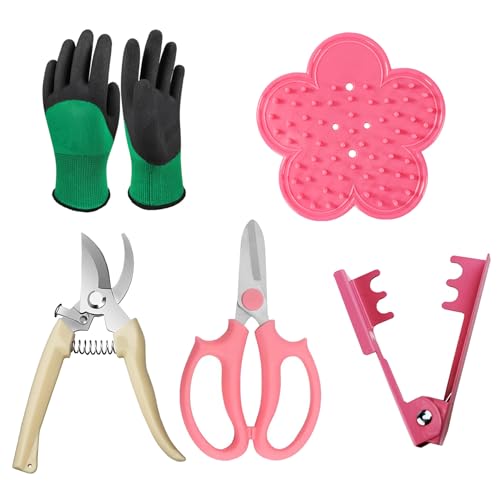
Having the right equipment makes pruning safer and more effective. Here are the tools you'll need to trim your rose bushes like a pro:
Bypass Pruners (Secateurs)
For cuts up to ¾ inch in diameter. Choose a high-quality pair with sharp, replaceable blades. $35–$60
Loppers
For thicker canes (up to 1½ inches). Long handles provide leverage. $40–$70
Pruning Saw
For very old, woody canes. A curved blade with coarse teeth works best. $30–$50
Thick Gloves
Rose thorns are no joke. Look for leather or gauntlet-style gloves. $20–$40
Disinfectant
Clean your tools between plants to prevent disease spread. Rubbing alcohol or bleach solution. $5–$10
Pruning Sealant
Optional, but helps protect large cuts from disease and pests. $8–$15
While you're tending to your roses, consider exploring other aspects of garden care. Our guides on drip irrigation systems and caring for Christmas cactus can help you create a thriving garden ecosystem.
Common Pruning Mistakes & How to Avoid Them
- ✂️ Pruning too early: This can stimulate tender new shoots that a late frost will kill. Always wait until the danger of hard frost has passed.
- ✂️ Over-pruning: Removing too much can weaken the plant and reduce blooms. A good rule is to prune no more than one-third of the total plant volume in a single session.
- ✂️ Leaving stubs: Always cut at a 45° angle about ¼ inch above an outward-facing bud. Stubs can lead to dieback and disease.
- ✂️ Neglecting tool hygiene: Dirty tools can spread fungal spores and bacteria between plants. Sterilize your pruners after each use, especially when moving between different rose bushes.
💡 Pro Tip: If you're unsure whether a cane is alive, gently scrape the bark with your fingernail. Green tissue underneath means it's alive; brown, dry tissue means it's dead and should be removed.
Pruning Roses: Your Year-Round Calendar
Mastering the art of rose pruning means understanding that timing is just as important as technique. By following the seasonal guidelines outlined here—primarily pruning in late winter to early spring—you'll set your roses up for a season of vigorous growth and abundant, fragrant blooms.
Remember, each rose variety has its own personality. Climbing roses, old garden roses, and modern hybrids each respond differently to the pruning shears. But with a little practice and the right timing, you'll soon be pruning like a seasoned rosarian.
For more in-depth gardening advice, check out our other expert guides: