What Time of Year Do You Cut Back Roses?
Master the art of rose pruning with this complete seasonal guide. Learn when to cut back roses for healthier plants, more vibrant blooms, and a stunning garden all year long.
Pruning roses at the right time is the single most important factor for a spectacular display. Cut too early, and you risk frost damage; cut too late, and you sacrifice blooms. The ideal time to prune roses depends on your climate, the rose type, and the growth cycle. In general, late winter to early spring is the prime window for most roses, just as buds begin to swell but before active growth starts.
However, there are nuances. Should rose bushes be cut back in the spring? For many, yes — but let's break down exactly when and how.
Rose Pruning Calendar by Season
Timing is everything. Here's a season-by-season breakdown to help you prune with confidence.
🌱 Spring
Primary Pruning Window
Late winter to early spring, when forsythia blooms or buds swell.
Best for: Hybrid teas, floribundas, grandifloras, and modern shrubs.
☀️ Summer
Deadheading & Light Shaping
Remove spent blooms to encourage reblooming. Light trimming of wayward canes.
Best for: All repeat-blooming roses.
🍂 Fall
Minimal Pruning
Only remove dead, diseased, or crossing canes. Avoid heavy pruning to prevent frost damage.
Best for: All roses, especially in cold climates.
❄️ Winter
Dormant Pruning (Mild Climates)
In zones 8–10, you can prune in January–February. In colder zones, wait until spring.
Best for: Old garden roses and climbers (post-bloom in warmer areas).
Pruning Time by Rose Type
Different roses have different pruning needs. Here's a quick reference table to guide you.
| Rose Type | Best Time to Prune | Pruning Style |
|---|---|---|
| Hybrid Tea & Floribunda | Late winter – early spring (buds swell) | Heavy prune: remove 1/3 to 1/2 of old wood |
| Grandiflora | Late winter – early spring | Moderate prune: shape and thin canes |
| Climbing Roses | After flowering (summer) or late winter (mild climates) | Remove dead canes, train lateral branches |
| Shrub & Landscape Roses | Early spring – late spring | Light prune: remove dead or crossing wood |
| Old Garden Roses (once-blooming) | Immediately after spring bloom | Minimal: shape and remove spent wood |
| Miniature Roses | Early spring | Light trim: shape and remove thin stems |
Pro Tip: If you're unsure, wait until you see new buds starting to swell. This is nature's signal that pruning is safe. Pruning too early in cold climates can lead to dieback.
How to Prune Roses: Step-by-Step
Once you've determined the right time, follow these steps for a successful prune.
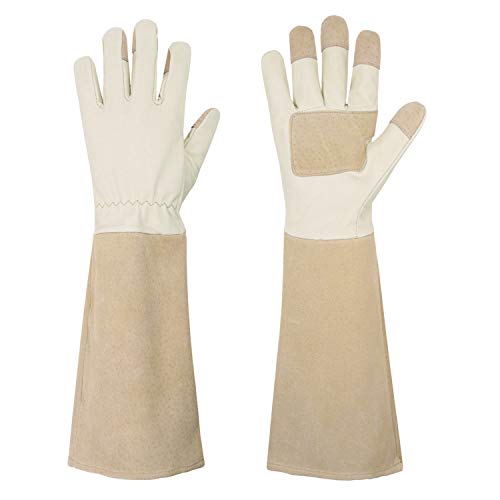
- Gather your tools: Sharp bypass pruners, loppers for thick canes, and thick gloves.
- Remove dead, diseased, or damaged wood: Cut back to healthy tissue (green inside).
- Remove crossing or rubbing canes: Choose the stronger cane to keep.
- Open up the center: Remove inward-growing canes to improve air circulation.
- Cut at a 45° angle: About ¼ inch above an outward-facing bud.
- Seal large cuts (optional): Use pruning sealant to prevent disease.
- Clean up: Remove all pruned material to prevent pests and disease.
For more detailed techniques, check out our guide on how do you cut roses so they keep blooming.
Climate & Regional Timing
Your local climate plays a huge role in when to prune. Here's a general guide:
- USDA Zones 3–5 (Cold Winters): Prune in April–May, after the last hard frost. If you prune too early, new growth will be killed by freezing temperatures.
- USDA Zones 6–7 (Moderate Winters): Prune in March–April, when forsythia starts blooming.
- USDA Zones 8–10 (Mild Winters): Prune in January–February, during the dormant season.
- Coastal & Foggy Areas: Delay pruning until later spring to avoid frost damage.
If you're still unsure, consult your local extension service or experienced rose growers in your area.
Common Rose Pruning Mistakes to Avoid
- Pruning too early in cold climates: New growth will be damaged by frost.
- Pruning too late (after buds open): You'll cut off potential blooms.
- Using dull or dirty tools: Leads to ragged cuts and disease transmission.
- Cutting too high above the bud: Can cause dieback and ugly stubs.
- Over-pruning climbing roses: Reduces next season's flowers.
- Forgetting to clean up cuttings: Leaves debris that harbors pests and diseases.
For a complete guide on rose care, see our article on how to take care of rose bushes in summer.
Frequently Asked Questions
Can I prune roses in the fall?
Yes, but only lightly. Remove dead or diseased canes, but avoid heavy pruning as it can stimulate new growth that won't harden before winter. In cold climates, this can be fatal.
What if I miss the spring pruning window?
You can still prune in early summer, but expect fewer blooms. Focus on removing deadwood and shaping the plant lightly.
Should I cut rose bushes back in the spring?
For most modern roses (hybrid teas, floribundas, grandifloras), spring is the ideal time for a major prune. This encourages strong new canes and abundant blooms. For more details, visit our guide: should rose bushes be cut back in the spring.
When is a good time to cut back rose bushes?
Generally, late winter to early spring, when the plant is still dormant but buds are swelling. This varies by climate and rose type. For a more specific answer, see when is a good time to cut back rose bushes.
If you have climbing roses, you might also want to read how do you prune rose bushes in the fall for season-specific advice.
Ready to Prune with Confidence?
Now that you know what time of year to cut back roses, you're equipped to give your roses the care they deserve. Proper pruning leads to healthier plants, more flowers, and a garden that brings joy season after season.
For the best results, use high-quality pruning tools and fertilize after pruning to support new growth. Happy gardening!