How to Prune Rose Bushes in the Fall
Fall pruning is essential to protect your roses over winter and set the stage for an abundant bloom next spring. Follow this expert guide for healthy, vigorous roses year after year.
Why prune roses in fall? Pruning in autumn removes dead, diseased, or weak canes, reduces wind damage, and prevents fungal diseases from overwintering. It also shapes the plant for better air circulation and encourages strong regrowth in spring. Learn more about spring pruning to complement your fall efforts.
When to Prune Roses in the Fall
The best time to prune roses in fall is after the first hard frost, when the plant has gone dormant. This typically occurs in late autumn (November in many zones). Pruning too early can stimulate new growth that will be killed by winter cold. Wait until the leaves have dropped and temperatures are consistently cool.
Essential Tools for Fall Rose Pruning
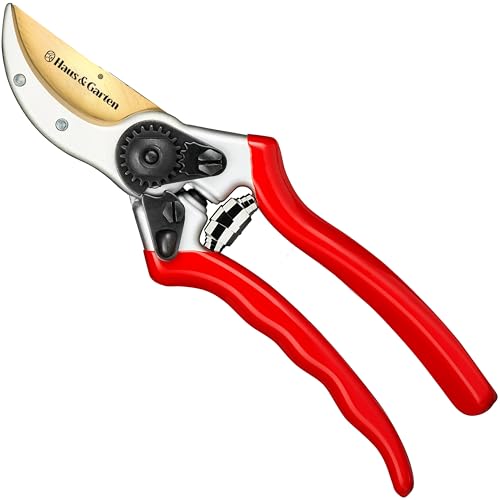
- Bypass Pruners
- Loppers (for thick canes)
- Pruning Saw (for old wood)
- Heavy-Duty Gloves
- Isopropyl Alcohol (for sterilizing)
Clean tools are crucial to prevent disease spread. Wipe blades with alcohol between cuts, especially when removing diseased wood.
Step-by-Step Fall Pruning Guide
Cut away any dead, brown, or shriveled canes down to the base. Also remove canes with black spots, cankers, or other signs of disease. This reduces pathogen load in your garden.
Remove any canes that cross through the center of the bush or rub against each other. Keep 3–5 healthy, outward-facing canes per plant for good air circulation and sunlight penetration.
Cut back remaining canes by about one-third to one-half of their total height. Make cuts at a 45-degree angle, about ¼ inch above an outward-facing bud. This encourages outward growth and prevents a tangled center.
Remove all fallen leaves and pruned material from the base of the plant. Do not compost diseased material; discard it in the trash to prevent fungal spores from spreading.
🌹 Pro Tip: Don't Over-Prune
Fall pruning should be moderate. Reserve heavy rejuvenation pruning for early spring. In cold climates, you may even wait until spring to do major cuts, but removing dead and diseased wood in fall is always beneficial.
Fall Pruning by Rose Type
- Hybrid Teas & Grandifloras: Cut back to 18–24 inches tall. Remove weak canes completely.
- Floribundas: Reduce height by one-third. These bloom on new wood, so fall pruning is safe.
- Climbing Roses: Only remove dead or diseased wood. Major pruning should be done in spring after bloom.
- Shrub & Old Garden Roses: Minimal pruning—just clean up dead wood and shape lightly.
After Pruning: Winter Protection
After pruning, mound soil, mulch, or compost around the base of the plant to insulate the graft union (if applicable). In colder zones, use rose cones or burlap wrap for extra protection. Learn more about rose care through the seasons.
Common Fall Pruning Mistakes to Avoid
- Pruning too early – triggers tender new growth before frost.
- Leaving stubs – always cut to a bud or main cane.
- Using dull or dirty tools – spreads disease and crushes stems.
- Over-pruning – removing too much live wood weakens the plant.
Frequently Asked Questions
Can I prune roses in the fall if I live in a warm climate?
In USDA zones 8–10, roses may not go fully dormant. You can still prune lightly to shape and remove dead wood. For best results, follow timing tips for your zone.
Should I seal pruning cuts?
It's generally not necessary. Modern roses heal quickly on their own. If you're concerned about borers, you can apply a thin layer of pruning seal or white glue.
What if I miss fall pruning?
Don't worry—you can still prune in early spring before new growth starts. Check our spring pruning guide for details.
How do I know if a cane is dead?
Scratch the bark with your fingernail. If the tissue underneath is green, it's alive. If it's brown or dry, it's dead and should be removed.
Related Guides: Hydrangea fall pruning • Cut roses for continuous bloom • Spring hydrangea care • Best time to cut back roses