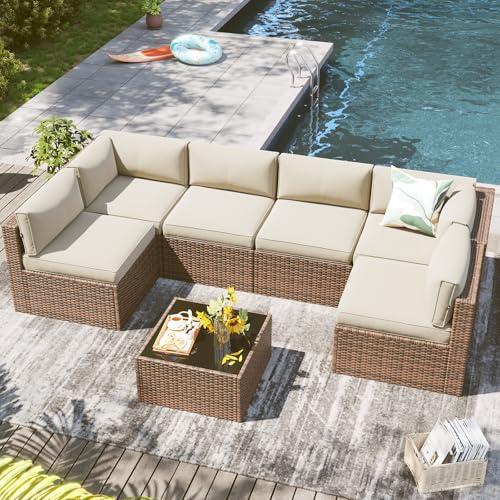
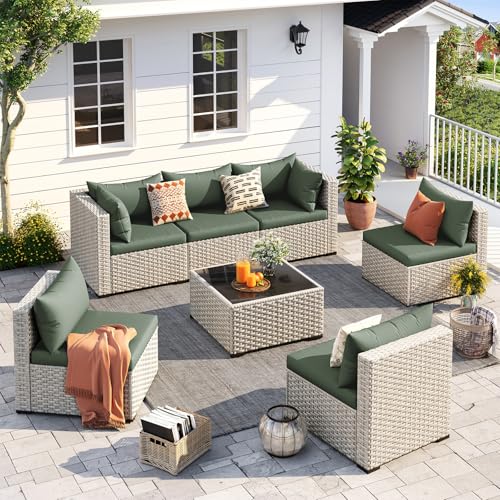
Wicker Outdoor Furniture Set: Your Complete Buying Guide
Transform your patio into a stylish retreat with the perfect wicker outdoor furniture set. Learn about materials, construction quality, comfort features, and expert care tips to make a confident, lasting investment in your outdoor living space.
EXPLORE TOP PICKSWhy Choose a Wicker Outdoor Furniture Set? Wicker furniture has long been a favorite for patios, porches, and garden retreats thanks to its timeless woven aesthetic, impressive durability, and remarkable versatility. Whether you're furnishing a cozy balcony or a sprawling backyard deck, a wicker set delivers the perfect balance of style, comfort, and weather resistance that modern outdoor living demands.
In this guide, we'll walk you through everything you need to know—from understanding natural versus synthetic wicker to choosing the right configuration for your space, caring for your investment, and selecting the ideal set for your lifestyle. By the end, you'll have all the information needed to make a confident purchase decision.
Understanding Wicker Materials
Natural Wicker vs. Synthetic Resin Wicker
The term "wicker" refers to the weaving technique rather than the material itself. This distinction matters greatly when choosing an outdoor furniture set, as the material determines durability, maintenance requirements, and weather resistance.
Natural wicker is crafted from plant fibers such as rattan, willow, bamboo, or seagrass. It offers an authentic, organic look with rich texture and warm tones that many homeowners love. However, natural wicker requires more careful maintenance—it can dry out and crack in intense sun, absorb moisture in rain, and may not withstand freezing temperatures without protection. It's best suited for covered porches or sunrooms where it's shielded from direct elements.
Synthetic resin wicker (often called all-weather wicker or PE rattan) is manufactured from high-density polyethylene or PVC. This modern material is engineered specifically for outdoor use—it resists UV fading, won't absorb water, and handles temperature fluctuations with ease. Synthetic wicker can be woven to mimic the look of natural rattan so convincingly that many people can't tell the difference at first glance. For most outdoor applications, synthetic resin wicker is the practical choice.
- Natural wicker: Authentic appearance, requires covered placement, more maintenance, best for sheltered areas
- Synthetic resin wicker: Weather-resistant, low maintenance, UV-protected, suitable for full outdoor exposure
Frame Construction: The Hidden Foundation
Beneath the woven exterior lies the frame—the structural backbone that determines how long your set will last. The most common frame materials are aluminum, steel, and sometimes wood. Understanding the differences helps you evaluate quality beyond surface appearance.
Aluminum frames are the gold standard for outdoor wicker furniture. They're lightweight, rust-proof, and exceptionally durable. Aluminum won't corrode even in humid coastal environments, making it ideal for poolside and seaside settings. Most premium wicker sets use powder-coated aluminum frames that add an extra layer of protection against scratches and oxidation.
Steel frames offer strength at a more accessible price point, but they require proper rust-proofing—typically through powder coating or galvanization. If the coating chips or scratches over time, exposed steel can rust. In dry climates, steel frames perform well; in wet or coastal areas, aluminum is the safer investment.
When evaluating any set, check the frame weight and stability. A well-constructed wicker set should feel solid and substantial—not flimsy or easily tipped. Sit on the furniture and shift your weight; quality frames won't creak, wobble, or flex under normal use.
Choosing the Right Set Configuration
Matching Your Set to Your Space and Lifestyle
The ideal wicker outdoor furniture set depends on your available space, how you plan to use it, and the atmosphere you want to create. Here's a breakdown of the most popular configurations:
- Conversation sets: Typically include a sofa, two armchairs, and a coffee table. Perfect for gathering with family and friends on medium to large patios. These sets create an intimate, living-room-like atmosphere outdoors.
- Lounge and sofa sets: Feature a larger sofa, loveseat, or sectional with matching chairs. Ideal for spacious decks and poolside areas where relaxation and entertaining are priorities.
- Dining sets: Combine a wicker dining table with matching chairs—often four to six seats. Great for outdoor meals, weekend brunches, and al fresco entertaining.
- Bistro and balcony sets: Compact two-seat configurations with a small table. Perfect for apartments, small balconies, and cozy breakfast nooks.
- Modular and sectional sets: Flexible pieces that can be rearranged to suit different layouts. Excellent for large spaces and homeowners who like to reconfigure their outdoor living areas.
When measuring your space, remember to leave at least 18–24 inches of clearance around furniture for comfortable walking. Also consider traffic flow—you don't want to squeeze past chairs every time you use your patio.
For more ideas on designing a cohesive outdoor space, explore our guides on outdoor living and landscaping to complement your new furniture.
Comfort Features: Cushions, Seating Depth, and Support
A wicker set looks beautiful, but comfort is what makes you actually use it. The quality of cushions and the ergonomics of the seating design are critical factors that separate a good set from a great one.
Cushion fill: High-density foam wrapped in polyester fiber offers the best balance of support and softness. Quick-dry foam is essential for outdoor use—it allows water to drain quickly after rain and resists mildew. Avoid cushions with low-density foam that flatten quickly.
Cushion fabric: Look for solution-dyed acrylic or olefin fabrics that resist fading, staining, and mildew. These fabrics are designed specifically for outdoor use and maintain their color and structure through seasons of exposure. Removable, zippered covers make cleaning much easier.
Seat depth and height: Standard outdoor sofa seat depth is around 24–28 inches, while seat height typically ranges from 17–19 inches from the ground. Deep seating (30+ inches) offers a more lounging feel but may be harder to get up from for some users. Consider who will use the furniture most and their comfort preferences.
Quality Tiers: What to Expect at Each Level
| Feature | Entry-Level | Mid-Range | Premium | Luxury |
|---|---|---|---|---|
| Frame Material | Steel with basic coating | Powder-coated steel or aluminum | Powder-coated aluminum | Heavy-gauge aluminum with premium finish |
| Wicker Type | Standard PE resin, thinner weave | HDPE resin, tighter weave | High-density HDPE with UV stabilizers | Premium UV-resistant HDPE, hand-finished weave |
| Cushion Quality | Basic foam, standard fabric | Quick-dry foam, solution-dyed acrylic | High-density quick-dry foam, premium acrylic | Memory foam blend, top-tier solution-dyed fabric |
| Weather Resistance | Moderate—cover during harsh weather | Good—suitable for most climates | Excellent—all-season durability | Superior—engineered for extreme conditions |
| Assembly | Full assembly required | Partial assembly | Minimal assembly | White-glove delivery available |
| Expected Lifespan | 3–5 seasons | 5–8 seasons | 8–12 seasons | 12+ seasons with proper care |
This comparison illustrates general differences across quality tiers. Entry-level sets are budget-friendly and suitable for light use or temporary setups. Mid-range sets offer the best value for most homeowners, balancing durability and comfort. Premium and luxury tiers provide superior materials and craftsmanship for those seeking long-term investments and maximum comfort.
Care and Maintenance for Longevity
Keeping Your Wicker Set Beautiful Season After Season
Proper care dramatically extends the life of any outdoor furniture. Fortunately, synthetic wicker sets are remarkably low-maintenance. Follow these guidelines to keep yours looking its best:
- Regular cleaning: Wipe down the wicker with a damp cloth or soft brush and mild soapy water every few weeks during peak season. Rinse thoroughly and allow to dry completely before replacing cushions.
- Deep cleaning: For stubborn dirt or pollen buildup, use a soft-bristled brush with a gentle cleaner. Avoid abrasive scrubbing pads that can damage the weave.
- Cushion care: Shake out cushions regularly and spot-clean spills promptly. Most outdoor cushion covers are removable and machine-washable—check the manufacturer's instructions.
- Protective covers: During extended periods of disuse or extreme weather, use breathable furniture covers to protect your set from debris, UV exposure, and moisture.
- Winter storage: In regions with freezing winters, store cushions indoors and consider moving the furniture to a covered area or using heavy-duty covers.
- Avoid harsh chemicals: Skip bleach, ammonia, and abrasive cleaners—they can degrade the wicker finish and fabric.
For a deeper dive into maintenance techniques, see our comprehensive guide on wicker furniture care.
Placement, Styling, and Accessorizing
Where you place your wicker set and how you style it can transform your outdoor space from ordinary to extraordinary. Consider these design principles:
- Define the space: Use an outdoor rug to anchor your seating area and create a visual boundary. Choose a rug that complements your wicker's color—neutral tones like beige, gray, and navy work beautifully with most wicker finishes.
- Add lighting: String lights, lanterns, or solar-powered outdoor lights create ambiance for evening gatherings. Layered lighting—overhead, tabletop, and ground-level—adds depth and warmth.
- Bring in greenery: Potted plants soften the hard lines of furniture and connect your patio to the garden. Consider tall plants for shaded areas or full-sun perennials for brighter spots.
- Create shade: A gazebo or patio umbrella provides relief from the sun and makes your seating area usable even on hot days.
- Mix textures: Combine wicker with metal, wood, or stone accents to add visual interest. Throw pillows, an outdoor throw blanket, and decorative trays personalize the space.
If you're just starting to plan your outdoor space, our low-maintenance landscaping ideas and hardscaping guides can help you create a cohesive design that complements your furniture investment.
Your Wicker Furniture Set Shopping Checklist
Before finalizing your purchase, run through this checklist to ensure you've covered all the essentials:
- Measured your space and confirmed the set fits with proper walkway clearance
- Chosen the right material—synthetic resin wicker for full outdoor exposure, natural wicker for covered areas
- Verified frame construction—aluminum preferred for wet climates; steel acceptable for dry areas
- Checked cushion quality—quick-dry foam and solution-dyed acrylic fabric
- Confirmed the configuration matches your entertaining needs (conversation, dining, lounge, or bistro)
- Reviewed care instructions and confirmed you're comfortable with maintenance requirements
- Read customer reviews for real-world feedback on durability and comfort
- Planned for storage or covering during off-season or extreme weather
- Compared quality tiers and selected the level that matches your budget and long-term expectations
Common Mistakes to Avoid When Buying Wicker Furniture
Learning from others' missteps can save you time, frustration, and disappointment. Here are the most common pitfalls:
- Buying without measuring: A set that looks perfect online may overwhelm your patio or leave no room to walk. Always measure twice.
- Choosing natural wicker for exposed areas: Natural wicker will deteriorate quickly in direct sun and rain without protection. Choose synthetic for uncovered spaces.
- Overlooking cushion quality: Cushions are often the first component to wear out. Cheap foam flattens within a season or two. Invest in quality cushions or plan to replace them.
- Ignoring frame material: A beautiful weave over a rust-prone steel frame is a recipe for disappointment. Always check what's underneath the wicker.
- Skipping the care plan: Even the best furniture needs basic maintenance. If you're not willing to wipe down and cover your set occasionally, consider whether outdoor furniture is right for you.
- Forgetting about storage: Cushions should be stored indoors during winter or extended rain. Make sure you have space for them.
If you're also considering other furniture materials, you might explore teak wood outdoor furniture or browse pre-owned patio furniture options for budget-friendly alternatives.
Frequently Asked Questions
Modern synthetic resin wicker is highly durable and designed to withstand sun, rain, and temperature changes. It resists UV fading, won't absorb water, and handles freezing temperatures better than natural wicker. However, using furniture covers during extreme weather or extended periods of disuse will maximize its lifespan. Natural wicker requires more protection and should be kept under cover during harsh weather or stored indoors during winter.
Clean synthetic wicker with mild soap and water using a soft brush or cloth. Rinse thoroughly and let it dry completely before replacing cushions. For stubborn dirt or pollen, a soft-bristled brush helps dislodge debris from the weave. Avoid abrasive scrubbers, bleach, and harsh chemicals that can damage the finish. For natural wicker, use a damp cloth with gentle cleaner and avoid soaking the material—excessive moisture can cause warping or cracking.
Synthetic resin wicker can generally stay outside year-round, though using furniture covers during extreme weather extends its lifespan. In regions with heavy snow or prolonged freezing temperatures, storing cushions indoors and covering the furniture is recommended. Natural wicker should be stored indoors or in a covered, protected area during winter and rainy seasons to prevent damage from moisture and temperature fluctuations.
Natural wicker is made from plant materials like rattan, willow, or bamboo and offers an authentic look with rich texture. It requires more maintenance, needs protection from direct elements, and is best for covered areas. Synthetic wicker is made from resin or PVC and is more weather-resistant, durable, and easier to maintain. It's designed for full outdoor exposure and can convincingly mimic the appearance of natural wicker. For most outdoor applications, synthetic resin wicker is the practical and long-lasting choice.
Measure your patio space and leave at least 18–24 inches of walkway around the furniture for comfortable traffic flow. Consider the number of users and whether you want a conversation set, dining set, or lounge setup. Small spaces work well with bistro or loveseat configurations, while larger patios can accommodate full sofa and armchair combinations. Remember to account for table clearance and ensure there's enough room for people to move around the set without feeling cramped.