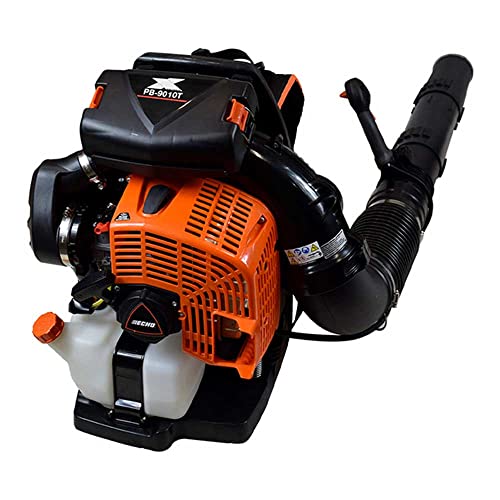
175 MPH 760 CFM 38cc Gas Backpack Leaf Blower: The Complete Buyer's Guide
If you're researching a gas backpack leaf blower with this exact specification, you already know what you want. This guide explains what those numbers actually mean in real-world cleanup, how the unit performs across seasons and surfaces, and who should choose it over handheld or cordless alternatives.
Compare Top PicksQuick summary: A 38cc engine delivering 175 MPH and 760 CFM sits firmly in the mid-range of the gas backpack blower market. That combination is powerful enough for medium to large residential lots, offers better fuel economy than premium commercial units, and is considerably more comfortable than a handheld blower during extended fall cleanup.
What 175 MPH and 760 CFM Actually Mean for Your Yard
Leaf blower specs are often presented as two numbers, but they describe two different jobs. MPH (miles per hour) measures air speed — how hard the air stream hits debris. It's the number that matters for dislodging wet leaves stuck to pavement, lifting pine needles from between deck boards, or clearing light snow. CFM (cubic feet per minute) measures air volume — how much air moves per minute. It's the number that determines how large a pile of leaves you can push in a single pass.
A unit rated at 760 CFM is in the upper-mid range for residential backpack blowers. That volume is enough to move raked piles efficiently and to clear a driveway or patio without repeated passes. The 175 MPH figure complements that volume: it's fast enough to break debris loose but not so aggressive that it scatters mulch beds or damages delicate plantings when used with care.
For context, entry-level handheld blowers often sit below 400 CFM, while premium commercial backpack units can exceed 900 CFM. A 760 CFM machine is the practical middle ground — more capable than a handheld for large jobs, but generally lighter and more fuel-efficient than top-tier commercial models. If you maintain a lawn with regular seasonal cleanup, you may find useful context in our guide to managing weeds and yard debris alongside your blower routine.
Key Specifications at a Glance
Performance in Real-World Conditions
Spec sheets only tell part of the story. How a blower behaves on dry oak leaves versus wet maple leaves, on gravel versus turf, and after an hour of continuous use matters more than the peak numbers. Here's how a 38cc / 175 MPH / 760 CFM backpack unit typically performs across common scenarios.
Dry Leaves and Light Debris
This is where the machine excels. The 760 CFM volume lets you herd large dry leaf piles across a lawn with steady, controlled passes. The 175 MPH speed helps lift leaves that have settled into grass blades. On a typical suburban lot, clearing a full yard of dry leaves is a task of minutes rather than hours.
Wet Leaves and Heavy Debris
Wet leaves are denser and stick to surfaces. The air speed becomes the deciding factor here. At 175 MPH, the blower can dislodge most wet leaves from pavement and decks, though you may need to work in smaller sections and use a sweeping motion rather than a single push. For extremely soaked debris, a rake or broom may still be needed as a first pass.
Driveways, Patios, and Gutters
Hard surfaces are the ideal environment for this class of blower. The combination of speed and volume clears gravel, acorns, and grass clippings quickly. With the right nozzle attachment, the same unit can clear low gutters and roof valleys — a task that handheld blowers often struggle with due to reach and air volume. If your property includes large hardscape areas, pairing the blower with a lawn mower dump cart can streamline debris collection afterward.
Fuel Efficiency and Runtime
A 38cc engine is modest by backpack blower standards, which translates to reasonable fuel consumption. Most units in this class run for roughly 45 to 90 minutes on a full tank depending on throttle use. That's enough for a typical residential cleanup session without refueling. Using fresh, properly mixed fuel and avoiding prolonged idling will keep runtime predictable.
Comfort and Ergonomics
The backpack format is the single biggest comfort advantage over handheld blowers. The engine and fuel tank sit on your back, supported by padded shoulder straps and a waist belt, which distributes weight across the torso rather than concentrating it in your arms and wrists. For anyone who has spent an hour swinging a handheld blower, the difference is significant.
Most 38cc backpack units weigh between 15 and 22 pounds when dry. That's light enough for most adults to carry comfortably for extended periods, especially with a well-padded harness. Vibration isolation at the mounting points also matters — better-designed units reduce the tingle in your hands and arms during long sessions. If you also maintain a large lawn, the same ergonomic principles apply to choosing equipment like a self-propelled mower for hilly terrain.
Pros and Cons
✅ Strengths
- Strong balance of air speed and volume for mixed debris
- Backpack harness reduces fatigue versus handheld units
- 38cc engine offers good fuel economy for the power delivered
- Capable of clearing gutters and roof valleys with attachments
- Mid-range positioning means solid build quality without commercial-tier complexity
- Well suited to medium and large residential lots
⚠️ Considerations
- Gas engine requires fuel mixing, storage, and periodic maintenance
- Louder than cordless electric alternatives — hearing protection is essential
- Heavier than handheld electric blowers, though the harness mitigates this
- Not ideal for very small yards where a handheld unit suffices
- Two-stroke engines need winterization before long storage
How This Blower Compares Across Market Tiers
To place a 38cc / 175 MPH / 760 CFM unit in context, it helps to understand how the gas backpack blower market is generally segmented. The table below uses universal quality descriptors rather than prices, so the comparison remains useful regardless of when you read this.
| Tier | Typical Engine Class | Air Volume Range | Best For |
|---|---|---|---|
| Entry-level | 25–30cc | Under 500 CFM | Small yards, light seasonal cleanup |
| Mid-range | 35–45cc | 500–800 CFM | Medium to large residential lots, mixed debris |
| Premium | 50–65cc | 800–900+ CFM | Large properties, heavy commercial use |
| Commercial / Top-tier | 65cc+ | 900+ CFM | Professional landscaping crews, continuous duty |
A 38cc unit at 760 CFM sits in the upper portion of the mid-range tier. It offers noticeably more capability than entry-level machines without the weight, fuel consumption, and complexity of premium or commercial models. For most homeowners with a standard to large suburban lot, this is the sweet spot.
Maintenance and Longevity Tips
A gas backpack blower is a long-term investment, and how you maintain it determines how many seasons it serves you. A few habits make a meaningful difference:
- Use the correct fuel mix. Most 38cc two-stroke engines call for a 50:1 gasoline-to-oil ratio. Ethanol-free fuel reduces carburetor issues, especially if the unit sits between uses.
- Winterize before storage. Run the engine dry or use a fuel stabilizer, clean the air filter, and inspect the spark plug before putting the blower away for the off-season.
- Clean the air filter regularly. Dusty conditions clog filters quickly, which reduces performance and strains the engine.
- Check the harness and straps. Worn padding or frayed straps reduce comfort and can become a safety issue over time.
- Store upright in a dry place. This prevents fuel leaks and keeps the engine and blower housing in good condition.
If you're building out a full yard-care toolkit, the blower pairs naturally with other equipment covered in our guides to choosing a self-propelled mower and aeration tools for seasonal lawn health.
Who Should Choose a 38cc Backpack Blower?
This specification is a strong fit for a specific type of buyer:
- Homeowners with medium to large lots who deal with substantial leaf fall each autumn and want to clear it efficiently.
- Anyone with hardscape areas — long driveways, patios, decks — where a blower outperforms a broom or rake.
- Gardeners who already own gas-powered equipment and are comfortable with fuel mixing and basic small-engine maintenance.
- People who have used handheld blowers and want the comfort and power upgrade that a backpack format provides.
It's less ideal for very small yards, for buyers who want zero maintenance, or for anyone who needs to use the blower indoors or in noise-sensitive environments. In those cases, a cordless electric handheld or backpack unit is usually the better match.
Ready to Compare Top-Rated Models?
Browse our curated selection of gas backpack leaf blowers in this specification class and find the model that fits your property and workflow.
View Recommended BlowersFrequently Asked Questions
What does 175 MPH and 760 CFM mean on a leaf blower?
MPH measures the speed of the air stream, useful for dislodging stuck debris like wet leaves or pine needles. CFM measures the volume of air moved per minute, which determines how much debris can be pushed at once. A blower with 175 MPH and 760 CFM balances speed and volume, making it effective for both wet leaves and large dry piles.
Is a 38cc backpack leaf blower powerful enough for large yards?
Yes. A 38cc engine paired with 760 CFM is generally capable for medium to large residential properties. It handles leaf piles, driveway cleanup, and gutter clearing well. Very heavy commercial workloads may call for a larger displacement engine, but for homeowner use this class is more than sufficient.
What type of fuel does a 38cc gas backpack leaf blower use?
Most 38cc backpack blowers run on a gasoline-oil mixture, typically at a 50:1 ratio as specified by the manufacturer. Always follow the engine manual for the correct mix. Ethanol-free fuel is recommended where available to extend engine and carburetor life.
How much does a gas backpack leaf blower weigh?
Gas backpack leaf blowers in the 38cc class typically weigh between 15 and 22 pounds when dry. The backpack harness distributes this weight across the shoulders and hips, which makes them far less tiring than handheld units for extended cleanup sessions.