48 Inch Riding Lawn Mowers for Sale Near Me: Buyer's Guide
A 48 inch deck is one of the most versatile sizes for homeowners with medium to large properties. Learn how to choose the right model, find a trustworthy local seller, and avoid the mistakes that cost time and money.
Searching for "48 inch riding lawn mowers for sale near me" usually means one of two things: you have outgrown a smaller mower and want more cutting width, or you are upgrading to a more capable machine for a larger or more complex yard. A 48 inch deck hits a practical middle ground — wide enough to cover ground quickly, but still maneuverable around trees, flower beds, and fences.
This guide walks you through what a 48 inch riding mower actually delivers, how it compares to nearby deck sizes, what features matter most, and how to shop locally with confidence. By the end, you will know exactly what to look for and how to avoid the most common buying mistakes.
Quick Summary: A 48 inch riding mower suits yards of roughly one to three acres and properties with moderate obstacles. Lawn tractors are easier for beginners, while zero-turn mowers are faster and more maneuverable in open spaces. Buy locally from dealers that offer service and warranty support, and inspect deck condition, transmission type, and blade wear carefully.
What a 48 Inch Deck Actually Delivers
The deck width determines how much grass you cut in a single pass. A 48 inch deck cuts a four-foot swath, which means fewer passes and faster mowing compared with a 42 or 46 inch deck. For most properties between one and three acres, that is a comfortable balance between speed and maneuverability.
A 48 inch deck also handles moderate obstacles well. It is wide enough to feel efficient in open lawn areas, but not so wide that it becomes cumbersome around garden beds, trees, and fences. That makes it a popular choice for homeowners who want to cut mowing time without sacrificing control.
Best Yard Size
Roughly one to three acres. Smaller yards may be better served by a 42 or 46 inch deck; very large open properties often benefit from 54 inches or more.
1–3 acresManeuverability
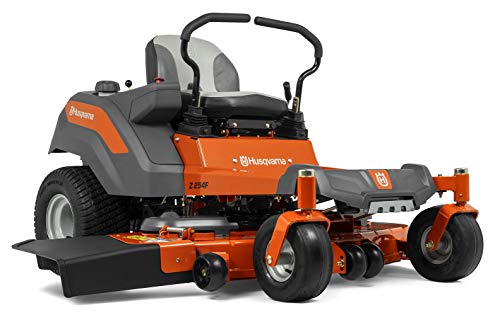
Balanced for yards with trees and beds. A 48 inch zero-turn provides tighter turns, while a lawn tractor is easier for new operators.
VersatileCutting Speed
Noticeably faster than smaller decks in open areas. Expect reduced mowing time and fewer passes on larger lawns.
EfficientStorage
Requires more storage space than smaller mowers. Measure your garage or shed, and account for the deck width plus bagger attachments.
Space-awareLawn Tractor vs Zero-Turn: Which 48 Inch Mower Fits You?
Two main categories dominate the 48 inch class: lawn tractors and zero-turn mowers. Each has distinct strengths, and the right choice depends on your property layout, experience level, and storage space.
| Type | Steering | Best For | Learning Curve |
|---|---|---|---|
| Lawn Tractor (48 inch) | Steering wheel | Mixed yards, attachments, beginner-friendly mowing | Low |
| Zero-Turn (48 inch) | Two lap bars | Large open lawns, tight turns, faster mowing | Moderate |
| Garden Tractor (48 inch) | Steering wheel | Heavier attachments, larger properties, tougher tasks | Low |
Lawn tractors are generally easier to learn and more versatile for attachments like baggers, carts, and snow blades. Zero-turn mowers are faster in open spaces and more maneuverable around obstacles, but they take practice to operate smoothly. If you are comparing alternatives, the electric lawn mowers guide and the lawn mower repair pickup and delivery near me reference may also be useful.
Key Features to Compare Before You Buy
Two 48 inch mowers can perform very differently depending on the engine, transmission, and deck construction. Focus on the features that directly affect durability, comfort, and long-term ownership.
- Engine power: Engines in the 18 to 24 horsepower range are typical for 48 inch mowers. Higher horsepower helps on slopes and with heavy grass.
- Transmission: Hydrostatic transmissions offer smoother control and easier operation than geared transmissions.
- Deck material and gauge: Stamped decks are lighter, while fabricated decks with thicker steel handle rougher conditions better.
- Cutting height adjustment: Look for easy, consistent height changes, ideally with a single lever.
- Seat and steering comfort: You will spend real time on this mower. A comfortable seat and smooth steering matter over the long term.
- Attachments: Check compatibility with baggers, mulchers, snow blades, and carts if you plan to use the mower for more than mowing.
How to Find a 48 Inch Riding Mower for Sale Near You
Local shopping is often the best path because you can inspect the machine, test drive it, and get service support close to home. The following steps help you buy with confidence.
- Start with local dealers: Authorized dealers provide new models, warranty support, and service. They can also advise on the right deck size for your yard.
- Check farm and home stores: Many carry reliable entry-level and mid-range mowers that fit the 48 inch category.
- Consider reputable used marketplaces: Search listings from nearby sellers, and ask for the model number, hours used, and service history.
- Inspect the deck: Look for rust, cracks, and bent edges. Replace worn blades and check belt condition.
- Test drive if possible: Verify steering, braking, and cutting engagement. Listen for unusual noises from the engine or transmission.
- Ask about maintenance records: Oil changes, blade sharpening, and belt replacements indicate a well-cared-for machine.
- Confirm support and parts: Before buying used, check that parts and service are available locally for that brand and model.
Money-saving approach: If you can wait for seasonal transitions, dealers often adjust their offerings to make room for new stock. Pairing local shopping with thoughtful timing is one of the most reliable ways to get good value in this category.
Understanding Riding Mower Tiers
Riding mowers in the 48 inch class span several quality tiers. The tier you choose affects durability, comfort, and long-term reliability more than any single specification.
| Tier | Typical Build | Best For |
|---|---|---|
| Entry-level tier | Stamped deck, geared transmission, basic seat, fewer attachments | Simple mowing on flat, moderate properties |
| Mid-range tier | Fabricated or reinforced deck, hydrostatic transmission, better seat | Regular mowing on mixed yards, longer seasons |
| Premium tier | Heavy-duty fabricated deck, powerful engine, premium seat, wide attachment support | Large properties, demanding terrain, frequent use |
Upgrading from entry-level to mid-range often delivers the biggest jump in comfort and reliability, while premium-tier models shine in demanding conditions. Consider your typical workload and how long you plan to keep the mower before deciding which tier is the best long-term investment for your property.
Maintenance That Protects Your Investment
A well-maintained 48 inch mower lasts far longer than one that is used hard and ignored. The following routine covers the most important tasks.
- Sharpen or replace blades: Dull blades tear grass instead of cutting it, which stresses the lawn and the engine.
- Clean under the deck: Grass buildup adds weight and reduces cutting efficiency. Scrape or wash after heavy sessions.
- Check belts and pulleys: Worn belts reduce cutting performance. Replace them before they fail mid-season.
- Change engine oil on schedule: Follow the manufacturer's intervals and use the correct grade.
- Replace air and fuel filters: Clean filters protect the engine and improve fuel efficiency.
- Inspect tires and steering: Proper tire pressure and firm steering reduce wear and improve safety.
- Use fuel stabilizer during storage: This prevents fuel system problems, especially during long off-seasons.
For general equipment care, the fuel stabilizer guide is a useful companion read. If you plan to maintain the mower yourself, the gardening tools overview can help you choose the right maintenance tools.
Common Buying Mistakes to Avoid
These mistakes are easy to make and expensive to fix. Avoiding them now saves time, money, and frustration later.
- Buying too much deck for the yard: A 48 inch deck can be too much for a small, obstacle-heavy yard.
- Buying too little deck for the property: A mower that is too small wastes time and increases fatigue.
- Ignoring transmission type: Geared transmissions are fine for flat yards but less comfortable for mixed terrain.
- Skipping the test drive: Always verify steering, braking, and cutting before committing.
- Overlooking storage space: A 48 inch mower takes up real space. Measure before you buy.
- Neglecting service support: Local parts and service availability matter as much as the model itself.
Frequently Asked Questions
Ready to Choose Your 48 Inch Mower?
Browse our curated selection of riding mowers, maintenance tools, and lawn care essentials to support a well-kept property all season long.
View Recommended Products