How Often to Water a Christmas Cactus
Master the art of watering your Christmas cactus for vibrant blooms and healthy growth. Learn the perfect watering schedule, seasonal adjustments, and signs of overwatering or underwatering.
The Christmas cactus (Schlumbergera bridgesii) is a popular holiday plant cherished for its stunning, colorful blooms that appear around December. Unlike typical desert cacti, this tropical succulent originates from the rainforests of Brazil, where it grows as an epiphyte on trees. This unique background means its watering needs are different from what you might expect.
Understanding the correct watering routine is the single most important factor in keeping your Christmas cactus thriving year after year. In this comprehensive guide, we’ll answer the question “how often do you have to water a Christmas cactus?” and provide you with all the expert tips you need to keep your plant happy.
For more detailed care instructions, you might also want to explore our guide on how to properly take care of a Christmas cactus for a complete overview.
The Simple Answer: The Finger Test
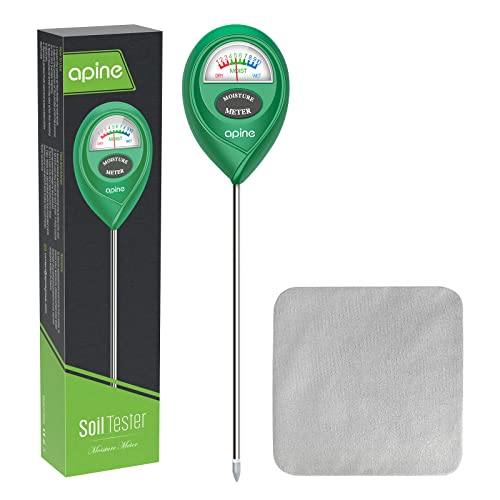
The golden rule for watering a Christmas cactus is the finger test. Before you even think about watering, stick your finger about 1 to 2 inches (2.5–5 cm) into the potting soil. If the soil feels dry to the touch at that depth, it’s time to water. If it still feels moist or damp, wait a few more days and test again.
As a general guideline, this typically translates to watering every 1 to 2 weeks. However, this is just a starting point — many factors like light, temperature, humidity, and pot size can speed up or slow down how quickly the soil dries out.
If you’re new to growing this plant, you might also benefit from reading about how to get a Christmas cactus to bloom again to encourage those beautiful flowers.
Seasonal Watering Guide
Your Christmas cactus’s watering needs change with the seasons. Here’s a simple table to help you adjust your routine throughout the year.
| Season | Watering Frequency | Key Notes |
|---|---|---|
| Spring (Mar–May) | Every 7–10 days | Active growth begins. Increase watering slightly as days get longer. |
| Summer (Jun–Aug) | Every 5–7 days | Warmer temperatures speed up drying. Check soil more often. |
| Fall (Sep–Nov) | Every 10–14 days | Prepare for blooming. Reduce watering slightly to encourage buds. |
| Winter (Dec–Feb) | Every 14–21 days | Plant is in bloom or resting. Water sparingly, but don’t let soil dry out completely. |
Remember: these are estimates. Always rely on the finger test to confirm your plant’s actual moisture level.
For those who struggle with watering schedules, an indoor plant light can also affect how quickly soil dries, so consider your lighting conditions too.
Factors That Affect Watering Frequency
Several environmental and care factors influence how often your Christmas cactus needs water. Understanding these will help you fine-tune your routine.
- Light exposure: Plants in bright, indirect light will photosynthesize and use water more quickly than those in lower light.
- Temperature: Warmer rooms (above 70°F / 21°C) cause soil to dry out faster. Cooler rooms slow down evaporation.
- Humidity: If your home is dry (common in winter), the soil will dry out faster.
- Pot size and material: A small terracotta pot dries out much faster than a large plastic pot.
- Soil type: A well-draining cactus mix will dry out faster than heavy, moisture-retaining potting soil.
If you’re growing your Christmas cactus indoors, you might find it helpful to check out our advice on how often should I water my Christmas cactus plant for additional tips.
Signs Your Christmas Cactus Needs Water (or Has Had Too Much)
Your plant will tell you when something is wrong. Here’s what to look for.
💧 Underwatering
- Leaves become wrinkled, thin, or limp
- Stems appear shriveled
- Pinkish or reddish tint on leaves (stress)
- Slow growth or no new shoots
🚫 Overwatering
- Leaves turn yellow or brown
- Soft, mushy stems or rot at the base
- Fungus gnats or mold on soil surface
- Sudden dropping of leaves or flower buds
If you notice signs of overwatering, stop watering immediately and allow the soil to dry out. You may need to repot into fresh, dry potting mix if rot has set in. A well-draining soil blend is essential, and you can read more about soil and potting mix to get the right foundation for your plant.
Best Practices for Watering Your Christmas Cactus
To keep your plant in peak condition, follow these expert watering tips:
- Use room-temperature water: Cold water can shock the roots. Let tap water sit out overnight to dissipate chlorine.
- Water deeply but infrequently: When you water, water thoroughly until it drains from the bottom. This encourages deep root growth.
- Never let it sit in water: Always empty the saucer after watering. Sitting in water is a recipe for root rot.
- Increase humidity: Christmas cacti love humidity. Mist occasionally or place a pebble tray with water nearby.
- Cut back in winter: After blooming, reduce watering significantly during the rest period (late winter to early spring).
Using the right tools can also help. A balanced fertilizer can support healthy growth, but watering remains the #1 priority.
Watering During the Blooming Season
One of the most common questions is how to water a Christmas cactus while it’s blooming. During the flowering period (typically November through January), the plant is at its most sensitive. Overwatering or underwatering can cause buds to drop.
💡 Blooming Tip: Maintain consistent moisture during bloom. Water when the top inch of soil feels dry, usually every 7–10 days. Avoid abrupt changes — keep the soil evenly moist (not waterlogged). Dryness or sudden drought stress is a leading cause of bud drop.
If you want to encourage more flowers in future years, check out our guide on how to get a Christmas cactus to bloom at Christmas for proven techniques.
Frequently Asked Questions
Should I water my Christmas cactus from the top or bottom?
Both methods work, but top watering is generally easier for most growers. Water slowly at the base, avoiding the leaves and flowers. If you use bottom watering, let the pot sit in a tray of water for 15–20 minutes, then drain thoroughly.
Can I use tap water for my Christmas cactus?
Yes, but it’s best to let tap water sit out overnight to allow chlorine and fluoride to evaporate. Rainwater or distilled water is even better if available.
What should I do if I overwatered my Christmas cactus?
If you suspect overwatering, stop watering immediately. Place the plant in a warm, well-ventilated area. Check the roots — if they are mushy and brown, trim the rotten parts and repot into fresh, dry soil.
How do I know when my Christmas cactus is dormant?
After blooming (usually late winter), growth slows significantly. This is its natural rest period. Reduce watering to once every 2–3 weeks until you see new growth in spring. For more on this cycle, see our article on how to care for Thanksgiving cactus after it blooms (similar care applies).
Final Thoughts
Watering a Christmas cactus isn’t complicated — it’s about observing your plant and responding to its needs. The finger test is your best friend. By learning to read the soil moisture and recognizing the signs of stress, you’ll have a thriving, blooming plant for years to come.
Remember, the golden rule: it’s better to underwater than overwater. A slightly thirsty Christmas cactus can bounce back quickly, but a waterlogged one is at serious risk of root rot.
We hope this guide has answered all your questions about how often do you have to water a Christmas cactus. For more expert advice, explore our gardening tips and guides section.