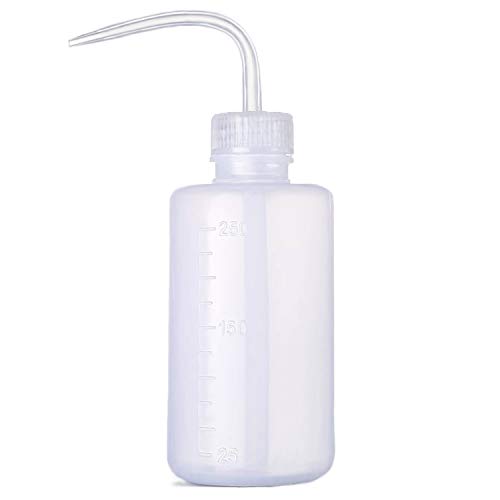
How Often Do You Water a Christmas Cactus Indoors?
The ultimate guide to watering your holiday cactus for vibrant blooms and healthy growth — from a trusted gardening resource.
The Christmas cactus (Schlumbergera bridgessii) is a beloved houseplant, cherished for its vibrant, pendulous blooms that brighten the winter months. Unlike desert cacti, this tropical succulent thrives in humid conditions and has specific watering needs. Getting the watering schedule right is the single most important factor in keeping your plant healthy and encouraging those stunning flowers year after year.
So, how often should you water a Christmas cactus indoors? The simple answer is: water only when the top 1-2 inches of soil feels dry to the touch. This typically translates to every 1-3 weeks, depending on your home's environment. However, a simple schedule isn't a one-size-fits-all solution. Let's break down the variables so you can perfect your watering routine.
Key Factors That Affect Watering Frequency
Several factors influence how quickly your Christmas cactus's soil dries out. Understanding these will help you move beyond a rigid schedule and water based on your plant's actual needs.
- Pot Size and Material: Smaller pots dry out faster than larger ones. Terracotta pots are porous and wick away moisture, while plastic and glazed ceramic pots retain water longer.
- Soil Type: A well-draining potting mix is crucial. A standard succulent or cactus mix, or a blend of potting soil, perlite, and sand, will prevent waterlogging. Dense, water-retentive soil will need much less frequent watering.
- Light and Temperature: Plants in bright, indirect light and warmer rooms will photosynthesize more and use water faster. Cooler, darker locations will slow down transpiration, meaning less frequent watering.
- Humidity Levels: Christmas cacti are epiphytes and love humidity. In dry homes, the soil might dry out quicker, but the plant might also benefit from occasional misting.
- Seasonal Changes (Dormancy): After the blooming period, usually in late winter to early spring, the plant enters a resting phase. During this time, it requires less water, and you should allow the soil to dry out more between waterings.
The Finger Test: Your Best Watering Tool
Forget the calendar and use the "finger test." Insert your finger about 1-2 inches (roughly two knuckles deep) into the soil. If it feels dry, it's time to water. If the soil feels cool and moist, wait a few more days and check again. This simple method is the most reliable way to prevent both under- and over-watering.
💧 Pro Tip: Always water thoroughly until excess water drains from the bottom of the pot. Never let the plant sit in standing water, as this can lead to root rot. Discard the drained water from the saucer after 15-20 minutes.
When you do water, use room-temperature water to avoid shocking the plant's roots. Cold water can stress the plant and lead to bud drop, while hot water can damage the delicate root system.
Signs of Overwatering & Underwatering
Learning to read your plant's signals is the key to long-term success. Here's what to look out for:
Overwatering Symptoms:
- Wilting or soft, mushy stems: This is a primary sign of root rot. The stems may turn a lighter green or even yellow.
- Root rot: If the soil smells musty and the roots are dark and mushy, the plant is suffering from overwatering.
- Bud drop: If your plant sets buds and then they fall off, overwatering is a common culprit, along with temperature fluctuations.
- Pale or yellowing leaves: While overwatering is a cause, this can also indicate other issues like nutrient deficiency, but check your watering first.
Underwatering Symptoms:
- Wrinkled or shriveled leaves: The plant's stems may look thin, wrinkled, and lack their characteristic turgid firmness.
- Leaf drop: Severe dehydration can cause segments to drop off.
- Slow growth: A lack of water will naturally stall the plant's development.
Seasonal Watering Guide
Your watering routine should shift with the seasons to match the plant's natural growth cycle:
- Spring & Summer (Active Growth): During the warmer months, your Christmas cactus is actively growing. Water more frequently, typically once a week or when the top inch of soil feels dry. This is also the time to apply a balanced, water-soluble fertilizer for plants monthly to support new growth.
- Fall (Pre-Bloom): To encourage blooming, the plant needs a period of cooler temperatures and shorter days. Start reducing watering in early fall. Allow the top inch of soil to dry out before watering again. This slight stress, along with the cooler conditions and proper light, signals the plant to set buds.
- Winter (Blooming & Dormancy): While the plant is blooming, continue to water as needed—typically when the top 1-2 inches are dry. After the blooms fade (usually in late winter), reduce watering significantly. Allow the soil to dry out more between waterings to give the plant its well-deserved rest.
For more detailed seasonal advice on holiday cacti, you might find our guide on how to care for Thanksgiving cactus after it blooms helpful, as the principles are very similar.
Additional Care Tips for a Thriving Christmas Cactus
Mastering watering is the first step, but a few more care tips will ensure your plant not only survives but thrives, rewarding you with spectacular blooms every year.
- Light: Provide bright, indirect light. Avoid direct, harsh sunlight, which can scorch the leaves. An east-facing window is often ideal.
- Humidity: These plants love humidity. You can increase humidity by placing the pot on a tray of pebbles and water (making sure the pot's bottom is above the waterline), or by misting the plant occasionally, especially in winter when indoor heating dries the air.
- Pruning: Pruning your Christmas cactus after blooming can encourage a bushier growth form. Simply twist off a few segments at the stem joints to shape the plant and remove any leggy growth.
- Repotting: Repot every 2-3 years in the spring, using a fresh, well-draining potting mix. Choose a pot that is only slightly larger than the current one, as they prefer to be slightly root-bound.
If you're looking to get a second bloom out of your plant, check out our article on how to get a Christmas cactus to bloom again.
Conclusion: Master the Art of Watering
Learning how often to water a Christmas cactus indoors is a skill that comes with observation and practice. By understanding your plant's specific environment and checking the soil moisture before each watering, you'll provide the best possible care. A happy, well-watered Christmas cactus will reward you with years of incredible, colorful blooms during the holiday season. Let gardening be your guide to creating a thriving, joyful indoor garden.