How to Care for Rose Bushes After They Bloom
Keep your roses healthy and blooming longer with our expert post-bloom care guide. Learn essential techniques for deadheading, pruning, fertilizing, and disease prevention.
Shop Rose Care SuppliesLet Gardening Philosophy: Caring for your roses after they bloom is just as important as the blooming period itself. Proper post-bloom care ensures your rose bushes stay vigorous, disease-free, and ready for the next flush of flowers. Whether you're a beginner or a seasoned gardener, this guide will walk you through every essential step.
Why Post-Bloom Care Matters
After your roses finish their first round of blooming, they need attention to conserve energy, prevent disease, and encourage more flowers. Post-bloom care includes deadheading, pruning, feeding, and monitoring for pests. Neglecting this phase can lead to leggy growth, fewer blooms, and increased susceptibility to diseases like black spot and powdery mildew.
Step-by-Step Post-Bloom Care
1. Deadheading: The Key to Continuous Blooms
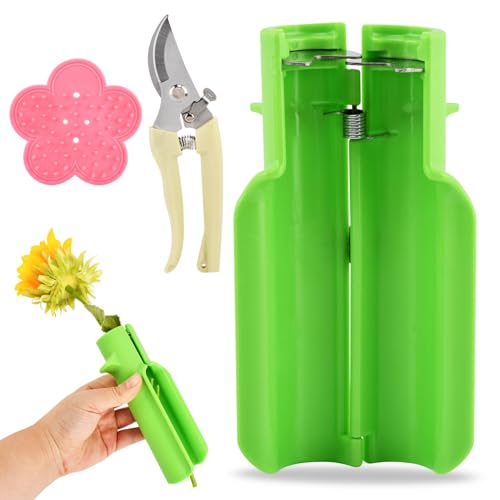
Deadheading is the practice of removing spent flowers to encourage your rose bush to produce more blooms. Cut the stem just above a five-leaflet leaf facing outward. This promotes new growth and prevents the plant from wasting energy on seed production.
Tip: Use sharp, clean pruners to make a clean cut at a 45-degree angle. For more detailed guidance, check out our article on how to cut roses for reblooming.
2. Pruning: Shaping and Thinning
Pruning after the first bloom helps shape your rose bush and remove dead or diseased wood. Focus on cutting back canes that are crossing, rubbing, or growing inward. This improves air circulation and reduces the risk of fungal infections.
For spring pruning tips, see our guide on when to cut back roses in spring.
3. Fertilizing: Feed for Future Blooms
After the first bloom, apply a balanced fertilizer to replenish nutrients. Look for a formula with a higher phosphorus content to encourage flowering. Avoid over-fertilizing, which can lead to excessive foliage growth at the expense of blooms.
A good option is a balanced fertilizer specifically designed for roses. Apply according to the manufacturer's instructions, typically every 4-6 weeks during the growing season.
4. Watering: Deep and Consistent
Roses need about 1-2 inches of water per week, either from rainfall or manual watering. Water deeply at the base of the plant to encourage deep root growth. Avoid wetting the foliage to prevent fungal diseases.
5. Pest and Disease Management
After blooming, roses are more susceptible to pests like aphids and diseases like black spot. Monitor your plants regularly and treat any issues promptly. Organic options like neem oil or insecticidal soap can be effective.
For natural solutions, explore our guide on natural weed control and clover removal, which can also be applied to garden beds.
Preparing Roses for Fall
As the season winds down, prepare your roses for dormancy. Stop fertilizing in late summer to avoid pushing new growth that can be damaged by frost. Continue deadheading until the first frost, then allow the last blooms to form hips (seed pods) to signal the plant to enter dormancy.
For more information on fall pruning, read our article on how to prune rose bushes in the fall.
Common Mistakes to Avoid
- Over-pruning: Removing too much foliage can stress the plant. Always leave at least 2-3 sets of leaves on each cane.
- Under-watering: Inconsistent watering leads to weak growth and fewer blooms.
- Ignoring disease: Early detection and treatment are crucial to prevent spread.
- Improper deadheading: Cutting too high or too low can delay reblooming.
Seasonal Care Summary
Spring
- Prune dead canes
- Apply slow-release fertilizer
- Mulch to retain moisture
Summer
- Deadhead regularly
- Water deeply
- Monitor for pests
Fall
- Stop fertilizing
- Allow hips to form
- Clean up fallen leaves
Winter
- Protect with mulch
- Prune in late winter
- Plan for spring
Expert Tips for Healthier Roses
- ✔ Always use sharp, sterilized pruning tools to prevent disease transmission.
- ✔ Water early in the morning to allow foliage to dry before nightfall.
- ✔ Apply a layer of organic mulch to regulate soil temperature and suppress weeds.
- ✔ Choose disease-resistant varieties to reduce maintenance.
- ✔ Rotate fertilizers to avoid nutrient imbalances.
Continue Learning
Explore more gardening guides to enhance your skills:
- Summer rose care guide
- Best time to prune roses
- Hydrangea bloom care (similar principles apply)