When Is the Best Time to Prune Your Rose Bushes?
Learn the optimal timing and expert techniques for pruning roses to ensure vibrant blooms, healthy growth, and a stunning garden all season long.
Discover the Perfect TimeLet Gardening Tip: Pruning at the right time is the secret to a spectacular rose display. Whether you're a beginner or an experienced gardener, understanding your rose type and climate is key to making the right cut.
Your Complete Guide to Pruning Roses
Pruning roses can seem daunting, but with the right knowledge, it becomes a simple and rewarding task. The best time to prune your rose bushes depends on several factors, including your climate and the type of roses you grow. In general, the ideal window is late winter to early spring, just as the plant begins to wake from dormancy but before new growth has fully emerged. This timing encourages robust new canes and abundant flowers.
Seasonal Pruning Guide
🌸 Late Winter to Early Spring
This is the primary pruning season for most roses. In colder climates (USDA zones 5-6), wait until the last hard frost has passed. In milder zones (7-9), you can prune as early as January. The goal is to remove dead, damaged, or diseased wood while shaping the bush for the coming season. Learn more about spring pruning
☀️ Summer Pruning
Deadheading spent blooms throughout the summer encourages repeat flowering. You can also do light shaping to manage size and improve air circulation. Remove any thin, weak growth to direct energy to the main canes. This keeps your roses looking tidy and healthy. Summer care tips
🍂 Fall Pruning
In most regions, fall pruning is minimal. Avoid heavy pruning in autumn as it can stimulate new growth that may be damaged by frost. However, you can remove any dead or diseased canes and trim back overly long shoots to prevent wind damage. Fall pruning guide
❄️ Winter Pruning
In warm climates (zones 8-11), winter is the ideal time for a major prune. This is when roses are fully dormant, making it easier to see the structure and plan your cuts. Always prune on a dry day to reduce the risk of disease. This sets the stage for spectacular spring blooms. Winter pruning tips
How to Prune: Step-by-Step
Once you've determined the right time, follow these simple steps for a successful prune. Start by removing any dead, diseased, or damaged canes (the "3 D's"). Cut them back to a healthy bud or down to the ground. Next, remove any thin, spindly growth that is thinner than a pencil. Finally, shape the bush by cutting back the remaining canes by about one-third to one-half of their length, making your cut at a 45-degree angle just above an outward-facing bud.
For a more in-depth look at pruning techniques, including how to prune for specific rose types like hybrid teas, floribundas, and climbers, check out our comprehensive guide. After pruning, it's essential to care for your roses to promote recovery and new growth. A balanced fertilizer can give them the nutrients they need, and a layer of mulch helps retain moisture and suppress weeds.
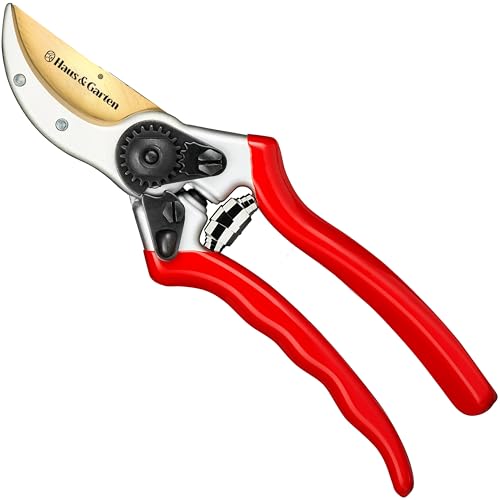
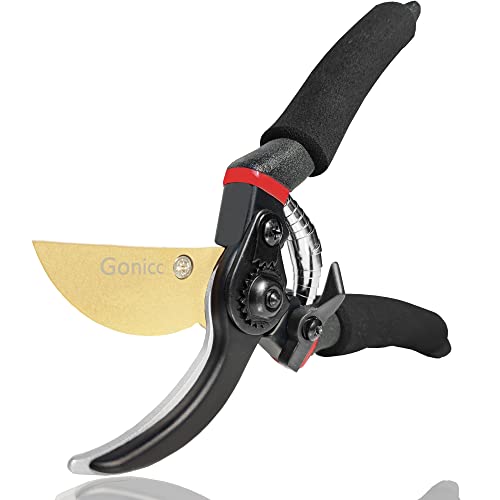
Pro Tip: Always use sharp, clean pruning shears to make clean cuts that heal quickly. Disinfect your tools between plants with a 10% bleach solution to prevent the spread of disease. This simple practice can save your rose garden from major problems. Learn more about natural garden care and weed management.
Understanding your rose type is crucial for correct pruning. For instance, the principles of pruning different plant types can be applied to roses, though the timing and technique vary. Similarly, just as you deadhead hydrangeas to encourage more blooms, the same practice benefits roses significantly. For a broader understanding of seasonal garden care, explore our guides on trimming hydrangeas and making rose bushes fuller.
Proper pruning is just one part of the puzzle. To keep your roses thriving, consider their overall health. This includes proper watering practices and ensuring they receive adequate nutrients. For other flowering plants, similar principles apply; for example, knowing when to prune hydrangeas is just as critical to their blooming cycle. By mastering the timing and technique, you'll enjoy a garden that is the envy of the neighborhood.