Should You Cut Dead Blooms Off Hydrangeas? The Definitive Answer
Discover the right time and technique to deadhead hydrangeas for bigger, healthier blooms year after year. Expert advice for every variety.
JUMP TO PRUNING GUIDELet Gardening set the record straight: Yes, you should cut dead blooms off hydrangeas — but when and how depends entirely on your variety. Deadheading (removing spent flowers) encourages new growth, prevents disease, and can even trigger a second flush of blooms. However, doing it at the wrong time can accidentally cut off next year's flower buds. This guide covers everything you need to know to deadhead hydrangeas with confidence.
In This Guide:
Why Deadhead Hydrangeas? 3 Key Benefits
Deadheading is more than just tidying up your garden. Here's why it's worth your time:
- More Blooms: Removing spent flowers redirects the plant's energy from seed production to new growth and flower development. For reblooming varieties like Endless Summer, this can trigger a second wave of blooms in the same season.
- Prevents Disease: Old, decaying blooms can harbor fungal spores and pests. Cutting them off improves air circulation and reduces the risk of botrytis and other diseases.
- Cleaner Appearance: Let's be honest — dried, brown flower heads aren't the prettiest sight. Deadheading keeps your hydrangeas looking fresh and well-maintained throughout the growing season.
Variety Matters: Old Wood vs New Wood
This is the most critical concept in hydrangea pruning. Understanding whether your hydrangea blooms on old wood (last year's stems) or new wood (this year's growth) determines when and how you deadhead.
| Bloom Type | Common Varieties | When to Deadhead | Pruning Window |
|---|---|---|---|
| Old Wood (Blooms on previous year's growth) |
Mophead (H. macrophylla), Lacecap, Oakleaf, Climbing | Immediately after flowering (summer) | Late summer – early fall (before August) |
| New Wood (Blooms on current year's growth) |
Panicle (H. paniculata), Smooth (H. arborescens) | Late winter or early spring | Late winter to early spring |
| Reblooming (Blooms on both old & new wood) |
Endless Summer, BloomStruck, Let's Dance series | Light deadheading anytime; heavy prune in spring | Spring (light) or after first flush |
Key takeaway: If you prune an old-wood hydrangea in spring, you'll cut off the flower buds that were formed last year — resulting in zero blooms that season. Always identify your variety before making any cuts.
When to Deadhead Hydrangeas (By Type)
🌿 Old Wood Hydrangeas (Mophead, Lacecap, Oakleaf)
When: Deadhead as soon as the flowers fade, typically in mid to late summer. The goal is to remove spent blooms before the plant starts setting buds for next year (usually in late summer to early fall).
Cutting point: Snip the stem just below the spent flower head, cutting above the first set of healthy leaves. Do not cut into the woody stems.
🌿 New Wood Hydrangeas (Panicle, Smooth)
When: These bloom on new growth, so you have more flexibility. Deadhead in late winter or early spring before new growth begins. You can also cut them back more significantly at this time.
Cutting point: For deadheading, cut just above a pair of healthy buds. For rejuvenation pruning, you can cut stems back to 12–18 inches above ground.
🌿 Reblooming Hydrangeas (Endless Summer, etc.)
When: These bloom on both old and new wood, so you can deadhead lightly after the first flush of blooms in early summer. This often encourages a second flush in late summer.
Cutting point: Trim just above the first set of leaves below the spent flower. Leave the stems intact — they may produce more blooms.
How to Deadhead Hydrangeas: Step-by-Step
Follow these simple steps to deadhead your hydrangeas safely and effectively.
- Identify the bloom type – Know whether your hydrangea blooms on old or new wood (see table above).
- Use sharp, clean pruners – Disinfect with rubbing alcohol to prevent disease spread. Sharp cuts heal faster.
- Cut at the right angle – Make a clean cut just above a pair of healthy leaves or buds, at a 45° angle. This prevents water from pooling on the cut surface.
- For old wood hydrangeas – Cut the stem just below the spent flower head, leaving the stem intact. Don't cut below the first set of leaves.
- For new wood hydrangeas – Cut just above a healthy bud pair. You can also remove up to one-third of the stem length to shape the plant.
- Remove dead or damaged stems – While you're at it, cut out any dead, broken, or diseased stems at the base.
- Dispose of old blooms – Don't leave them on the ground; they can harbor pests and diseases. Compost them only if your pile gets hot enough.
For more detailed pruning techniques, check out our guides on pruning old wood hydrangeas and trimming hydrangeas that bloom on old wood.
5 Common Deadheading Mistakes to Avoid
❌ 1. Pruning Old Wood Hydrangeas in Spring
This is the #1 mistake. If you cut back a mophead or oakleaf hydrangea in spring, you're removing the flower buds that formed last fall. You'll get lush leaves but no flowers.
❌ 2. Cutting Too Far Down
On old wood hydrangeas, cutting below the first set of leaves removes potential flower buds. Always cut just above the first or second set of healthy leaves.
❌ 3. Using Dull or Dirty Tools
Dull blades crush stems, making them susceptible to disease. Dirty tools can spread fungal infections. Sanitize your pruners between plants.
❌ 4. Deadheading Too Late in the Season
For old wood hydrangeas, deadheading after August can remove next year's flower buds. The plant needs time to set buds before dormancy.
❌ 5. Not Deadheading at All
Leaving spent blooms on the plant can lead to disease and reduced flowering in subsequent years. Regular deadheading keeps your hydrangeas healthy and productive.
Frequently Asked Questions
Can I deadhead hydrangeas in the winter?
For old wood hydrangeas, it's best not to deadhead in winter, as the old blooms provide some frost protection for the buds. For new wood hydrangeas, winter or early spring is ideal. If you're unsure, wait until you see new growth in spring.
Should I cut off brown hydrangea blooms in spring?
For old wood varieties, cut off brown blooms in spring only if they died back over winter. However, be careful — the brown stems may still have viable buds. It's safer to wait until you see new growth to identify which parts are dead. For new wood varieties, feel free to cut them back in spring.
Does deadheading hydrangeas encourage more flowers?
Yes, especially for reblooming and new wood varieties. For old wood hydrangeas, deadheading doesn't increase the number of blooms, but it does improve the plant's health and appearance, and it may encourage slightly larger flowers the following year.
What tools do I need for deadheading hydrangeas?
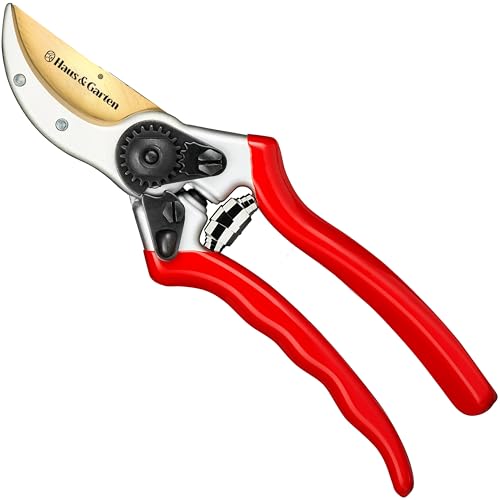
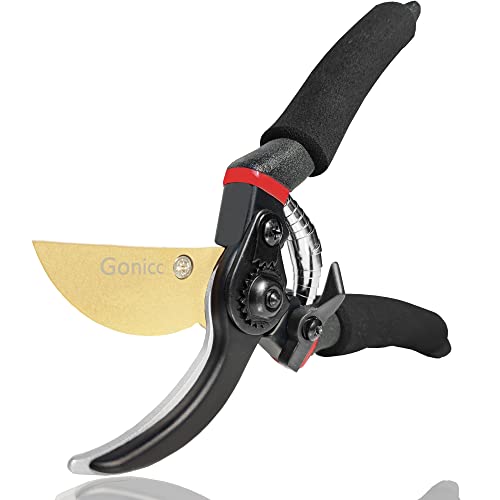
A sharp pair of bypass pruners is essential. For thicker stems (over ½ inch), use loppers. Always clean your tools with rubbing alcohol before and after use to prevent disease spread.
How do I know if my hydrangea blooms on old or new wood?
As a general rule: if it blooms in early summer (June) and the flowers are large and round (mophead) or flat with tiny flowers (lacecap), it's likely an old-wood variety. If it blooms in late summer (August–September) with conical flower panicles, it's probably a new-wood variety. When in doubt, observe when it flowers and follow the pruning guidelines accordingly.
📚 Related Hydrangea Guides
Ready to deadhead your hydrangeas with confidence?
Equip yourself with the right tools for the job. Quality pruners make clean cuts that heal faster.
SHOP RECOMMENDED PRUNERS