How to Trim Rose Bushes to Make Them Fuller
Unlock the secret to lush, vibrant roses with proper pruning techniques. Learn exactly when and how to trim for more blooms and healthier plants.
JUMP TO THE GUIDELet Gardening show you how to transform your rose bushes. Proper pruning is the single most important thing you can do to encourage fuller growth, more flowers, and a healthier plant. Whether you're a beginner or an experienced gardener, this comprehensive guide will walk you through every step of trimming rose bushes to make them fuller and more beautiful than ever.
Why Pruning Makes Rose Bushes Fuller
Pruning isn't just about cutting back – it's about directing energy. When you trim a rose bush correctly, you:
- Encourage new growth – Cutting above an outward-facing bud pushes growth outward, creating an open, vase-like shape.
- Improve air circulation – Removing crowded canes reduces disease and allows sunlight to reach the center.
- Remove dead or weak wood – This directs energy to healthy canes that produce bigger, better blooms.
- Stimulate branching – Proper cuts encourage side shoots, making the bush denser and fuller.
For more rose care tips, see our guide on how to take care of rose bushes in summer.
When Is the Best Time to Trim Rose Bushes?
Timing is everything. The best time to prune roses for fullness depends on your climate and rose type:
| Rose Type | Best Pruning Time | Key Note |
|---|---|---|
| Hybrid Tea & Grandiflora | Late winter / early spring (just before new growth begins) | Prune hard to encourage strong new canes |
| Floribunda & Shrub Roses | Late winter / early spring | Light to moderate pruning to maintain shape |
| Climbing Roses | After flowering (summer) | Remove spent blooms and weak canes |
| Old Garden Roses (once-blooming) | Immediately after flowering (late spring/early summer) | Prune after blooming to preserve next year's flowers |
Generally, the best time to prune your rose bushes is in late winter or early spring, just as the buds begin to swell. This gives the plant a full growing season to respond with vigorous new growth.
Step-by-Step Guide to Trim Rose Bushes for Fullness
Follow these steps to achieve a fuller, healthier rose bush:
-
1
Gather the Right Tools
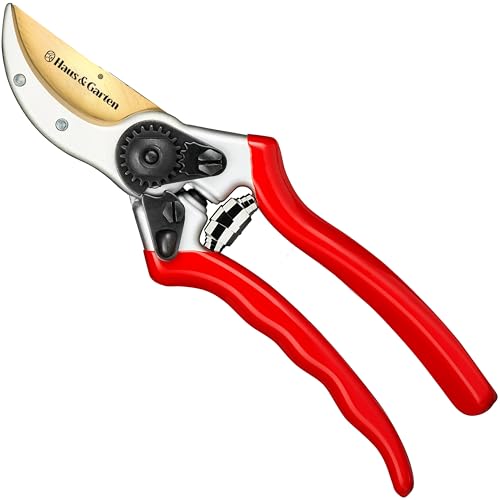
Use sharp, clean bypass pruners for clean cuts. For thicker canes, use loppers or a pruning saw. Wear thick gloves to protect your hands from thorns. Disinfect tools between plants with rubbing alcohol to prevent disease spread.
Check our garden tools guide for more recommendations.
-
2
Remove Dead, Damaged, or Diseased Wood
Start by cutting out any canes that are brown, black, or shriveled. Cut them back to healthy green wood or to the base. Also remove any canes that are crossing or rubbing against each other – these can cause wounds and invite disease.
-
3
Open Up the Center
To make the bush fuller, you need to open it up. Remove inward-growing canes and any weak, spindly growth. The goal is an open, vase-like shape that allows air and light to reach all parts of the plant.
For more on shaping, see how do you prune rose bushes in the fall.
-
4
Cut to an Outward-Facing Bud
This is the key to fullness. Locate a bud that faces outward (away from the center of the bush). Make your cut about ¼ inch above that bud, at a 45-degree angle. This encourages new growth to go outward, creating a fuller, more open plant.
-
5
Remove Suckers
Suckers are thin, fast-growing shoots that emerge from below the graft union (the swollen area at the base). They drain energy from the plant. Cut them off at their point of origin.
-
6
Step Back and Assess
After pruning, step back and look at the bush. Aim for a balanced, open shape. A good rule of thumb is to remove about ⅓ of the oldest, thickest canes each year to encourage new growth from the base.
-
7
Clean Up
Remove all pruned material from around the bush. Do not compost diseased canes – dispose of them in the trash to prevent disease spread.
🌹 Pro Tip: After pruning, apply a balanced fertilizer or rose-specific fertilizer to support new growth. Water deeply and mulch to retain moisture. This will help your rose bush bounce back stronger and fuller.
Essential Tools for Pruning Roses
Having the right tools makes the job easier and ensures clean cuts that heal faster. Here are the essentials:
Bypass Pruners
Sharp, scissor-action blades for clean cuts on canes up to ½ inch.
Loppers
Long handles give leverage for thicker canes (up to 1½ inches).
Pruning Saw
For very thick, old canes that are too big for loppers.
Rubbing Alcohol
For disinfecting tools between cuts and between plants.
Thick Gloves
Leather or rose gloves to protect your hands from thorns.
Common Pruning Mistakes to Avoid
- Pruning too late: Pruning after growth has started can reduce blooms. When is a good time to cut back rose bushes? – aim for late winter or early spring.
- Making angled cuts too steep or too shallow: A 45-degree angle is ideal to prevent water damage and promote healing.
- Cutting too close to the bud: Leave at least ¼ inch above the bud to avoid damaging it.
- Leaving stubs: Stubs can rot and invite disease. Always cut back to a healthy bud or to the base.
- Over-pruning: Removing more than ⅓ of the plant in one season can stress the plant. Prune gradually over a few years if needed.
Aftercare: Helping Your Rose Bush Thrive
Once you've trimmed your rose bushes, give them the best chance to grow fuller and stronger:
- Water deeply – Water at the base, not on the leaves, to prevent fungal diseases.
- Fertilize – Apply a rose-specific or balanced fertilizer about 4-6 weeks after pruning.
- Mulch – Add 2-3 inches of organic mulch around the base to retain moisture and suppress weeds.
- Monitor for pests – Check regularly for aphids, spider mites, and other common rose pests.
For more general rose care, read our article on how to care for rose bushes after they bloom.
Frequently Asked Questions
Can I trim my rose bushes in summer?
Yes, you can do light summer pruning to deadhead spent blooms and shape the plant. However, heavy pruning should be reserved for late winter or early spring.
How much should I cut back my roses?
For most roses, cutting back about ⅓ of the total height and removing ⅓ of the oldest canes is a good rule of thumb. This encourages new growth from the base.
Will pruning make my roses bloom more?
Absolutely. Pruning stimulates new growth, and flowers form on new wood. More new growth equals more blooms.
What if my rose bush is overgrown?
For severely overgrown bushes, prune over a period of 2-3 years. Start by removing dead and crossing canes, then gradually reduce height and shape.
For additional help, see our guide on should rose bushes be cut back in the spring.
Let Gardening help you grow the rose garden of your dreams. By following these pruning techniques, you'll encourage fuller, more vibrant rose bushes that bloom abundantly year after year. Start with the right tools, prune with purpose, and watch your roses transform.