How to Plant Tomato Seeds in a Raised Bed
Grow juicy, homegrown tomatoes with confidence. This complete guide covers everything from seed selection to harvest—perfect for raised bed gardeners of all skill levels.
JUMP TO STEP-BY-STEP GUIDELet Gardening Philosophy: There’s nothing quite like the taste of a sun-warmed tomato fresh from your own garden. Planting tomato seeds in a raised bed gives you control over soil quality, drainage, and growing conditions—leading to healthier plants and bigger harvests. Whether you're a beginner or a seasoned gardener, this guide will walk you through every stage, from seed to table.
📋 What You'll Learn in This Guide
Why Choose a Raised Bed for Tomatoes?
Raised beds offer superior drainage, warmer soil temperatures, and better root aeration—all of which tomatoes love. By planting tomato seeds in a raised bed, you also reduce weed competition and minimize soil compaction. The elevated design makes it easier to control soil quality, especially if your native soil is clay-heavy or rocky. Plus, raised beds warm up faster in spring, giving your seedlings an early start.
If you're new to raised bed gardening, consider starting with easiest vegetables to grow in a raised garden bed to build confidence. Tomatoes are a fantastic choice once you've mastered the basics.
Best Tomato Varieties for Raised Beds
Not all tomatoes are created equal. For raised beds, you'll want varieties that thrive in contained spaces and produce high yields. Here are some top picks:
- Determinate (Bush) Types: Roma, Celebrity, and Rutgers. These stay compact and produce fruit all at once—ideal for canning.
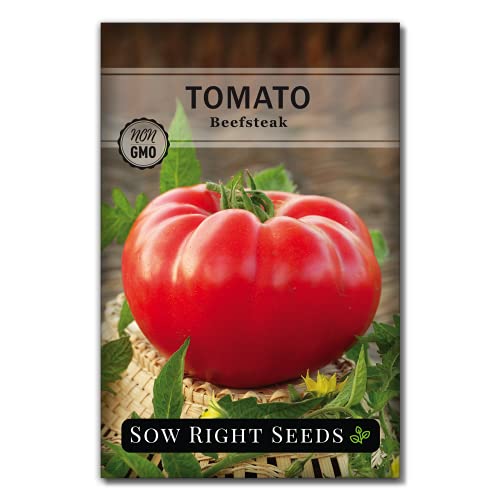
- Indeterminate (Vining) Types: Beefsteak, Brandywine, and Sun Gold. These continue growing and producing fruit throughout the season. They need strong support.
- Cherry Tomatoes: Sweet 100, Super Sweet 100, and Yellow Pear. Perfect for snacking and salads.
When selecting seeds, look for disease-resistant varieties (indicated by codes like V, F, N, T) to reduce the risk of common tomato ailments.
Preparing the Perfect Soil Mix
Tomatoes thrive in well-draining, nutrient-rich soil. A good raised bed mix should contain:
- 60% Topsoil or Compost: Provides structure and nutrients.
- 30% Peat Moss or Coconut Coir: Improves moisture retention and aeration.
- 10% Aged Manure or Worm Castings: Boosts organic matter and microbial life.
Aim for a slightly acidic pH between 6.0 and 6.8. Before planting, mix in a balanced granular fertilizer (like 5-10-5) according to package directions. For more detailed guidance, check out our article on best soil to put in a raised garden bed.
Planting Depth & Spacing
One of the most common mistakes when learning how to plant tomato seeds in a raised bed is planting too shallow or too close together. Follow these guidelines for success:
- Seed Depth: Plant seeds about ¼ inch (0.6 cm) deep. Cover lightly with fine soil or vermiculite.
- Spacing: For determinate varieties, space plants 18–24 inches apart. For indeterminate, aim for 24–36 inches to allow for airflow and growth.
- Row Spacing: Leave at least 24 inches between rows to facilitate maintenance and harvesting.
If you're starting seeds indoors, transplant seedlings when they have 2–3 true leaves and all danger of frost has passed. Harden them off gradually over a week before moving them to the raised bed.
For more general timing advice, see our guide on when is a good time to plant tomato seeds.
Watering & Nutrition Schedule
Tomatoes are heavy feeders with high water requirements. Here's how to keep them happy:
- Watering: Provide 1–1.5 inches of water per week. Water deeply and consistently, aiming at the base of the plant to avoid wetting the leaves. Drip irrigation or a soaker hose is ideal.
- Fertilizing: Start with a balanced fertilizer at planting. When flowers appear, switch to a high-phosphorus (blossom booster) fertilizer. Apply every 3–4 weeks.
- Calcium: To prevent blossom-end rot, add crushed eggshells or a calcium spray to the soil at planting time.
Consider using an automatic watering system for outdoor potted plants to maintain consistent moisture, especially during hot summer months.
Support & Pruning Techniques
Supporting your tomato plants prevents disease and improves fruit quality. For indeterminate varieties, use stakes, cages, or trellises. Here's a quick breakdown:
- Cages: Sturdy wire cages work well for determinate varieties.
- Staking: Drive a 6-8 foot stake next to each plant and tie the main stem loosely as it grows.
- Pruning: Remove suckers (the small shoots that grow between the main stem and branches) to direct energy to fruit production. Stop pruning about a month before the first expected frost.
Regular pruning also improves airflow, reducing the risk of fungal diseases. Learn more about how to trim tomato plants to produce more fruit for advanced techniques.
Pest & Disease Management
Even in a raised bed, tomatoes can face pests and diseases. Stay proactive with these strategies:
- Common Pests: Aphids, tomato hornworms, and whiteflies. Use insecticidal soap or neem oil for organic control.
- Diseases: Early blight, septoria leaf spot, and fusarium wilt. Rotate crops yearly and avoid overhead watering.
- Prevention: Mulch with straw or leaves to reduce soil splash. Companion planting with basil or marigolds can also deter pests.
If you're dealing with persistent pest issues, explore natural solutions in our guide on organic pre-emergent weed control for vegetable gardens which also covers safe pest management practices.
Harvesting & Storage Tips
The moment you've been waiting for! Knowing when and how to harvest ensures the best flavor and shelf life.
- When to Harvest: Tomatoes are ready when they reach their full color and yield slightly to gentle pressure. For most varieties, this is 65–80 days after planting.
- How to Harvest: Use clean shears or scissors to cut the stem just above the fruit. Avoid pulling or twisting, which can damage the plant.
- Storage: Store ripe tomatoes at room temperature (away from direct sunlight) for up to a week. Refrigerate only if you need to extend shelf life—but note that cold can reduce flavor.
For more detailed information on growing tomatoes from seed to harvest, check out our comprehensive guide on how long do tomatoes take to grow from seed.
Ready to Grow Your Best Tomatoes Yet?
Start your raised bed tomato garden today with the right seeds, tools, and know-how. Explore our recommended supplies below to set yourself up for success.
SHOP RECOMMENDED PRODUCTS