How to Properly Take Care of an Aloe Plant
Aloe vera is one of the most rewarding succulents you can grow. With the right light, water, soil, and a little know-how, your aloe will thrive indoors or outdoors. This complete guide covers everything you need to keep your aloe healthy, happy, and ready to use.
1. Light: The Foundation of Aloe Health
Aloe plants thrive in bright, indirect sunlight. A south- or west-facing window is ideal, but they can also adapt to east-facing windows. Too much direct afternoon sun can scorch the leaves, turning them brown or yellow. If you notice your aloe stretching out or leaning, it's reaching for light—move it closer to a window. For indoor spaces with less natural light, you can supplement with a grow light for indoor plants to keep your aloe compact and healthy.
✅ Good Signs
Firm, upright, dark green leaves with white spots. New growth appears regularly.
⚠️ Too Much Sun
Leaves turn brown, yellow, or reddish. Move to a spot with filtered light.
⚠️ Too Little Light
Leaves become pale, thin, and floppy. The plant stretches out (etiolation).
2. Watering: The "Soak and Dry" Method
Overwatering is the number one killer of aloe plants. Water deeply, but allow the soil to dry out completely between waterings. In winter, reduce watering to once a month or less. Always use a pot with drainage holes. If you're unsure, wait an extra week—aloe stores water in its leaves and can tolerate drought much better than soggy roots.
- Spring & Summer: Water every 2–3 weeks (when the top 2 inches of soil are dry).
- Fall & Winter: Water every 4–6 weeks, or when the leaves feel slightly soft.
- Always: Empty the saucer after watering to prevent root rot.
3. Soil & Potting: The Right Foundation
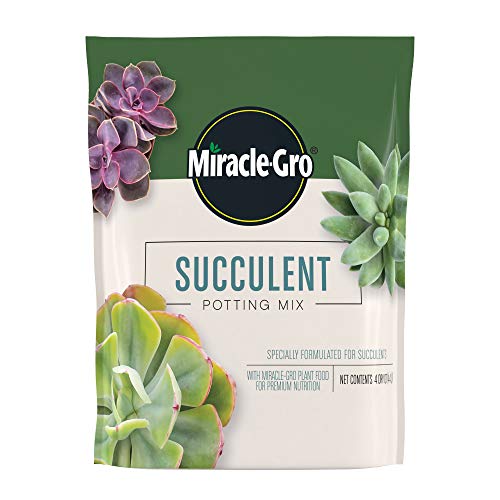
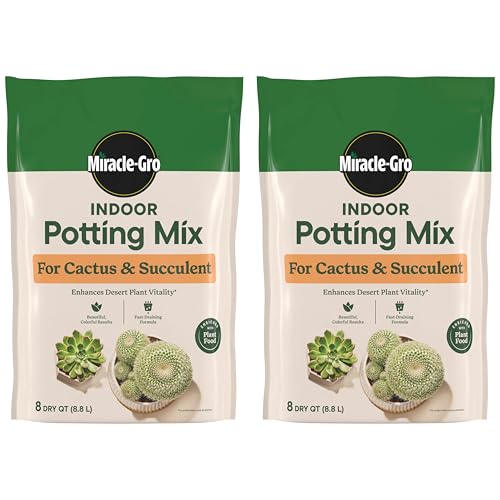
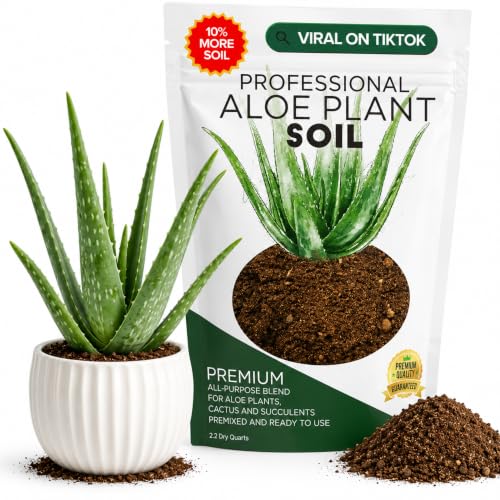
Aloe plants need well-draining, gritty soil. A commercial cactus or succulent mix is perfect. Alternatively, mix regular potting soil with perlite or coarse sand in a 1:1 ratio. Choose a terracotta or clay pot with drainage holes—these materials wick away extra moisture. Repot every 2–3 years in spring, moving to a pot that is only 1–2 inches larger in diameter.
For more details on soil types and amendments, see our guide on soil for succulents and cacti—the principles apply to aloe as well.
4. Temperature & Humidity
Aloe prefers average room temperatures between 55°F and 80°F (13–27°C). It can tolerate brief dips to 40°F, but frost will damage it. Keep it away from drafty windows in winter. Humidity isn't a major concern—aloe is happy in normal household humidity. If you're growing aloe outdoors, bring it inside before the first frost.
5. Fertilizing: Less is More
Aloe is a light feeder. Use a balanced, water-soluble fertilizer (like 10-10-10) diluted to half-strength once in early spring and once in midsummer. Do not fertilize in fall or winter when the plant is dormant. Over-fertilizing can cause leaf burn and leggy growth. If you're using a slow-release fertilizer, apply it sparingly.
6. Propagation: Grow More Aloe for Free
Aloe produces "pups" (offshoots) that can be separated from the parent plant. Wait until the pups are at least 4–5 inches tall. Gently remove the plant from its pot, separate the pups with their own roots, and plant them in fresh succulent mix. Water lightly and place in bright, indirect light. In a few weeks, they'll establish and grow into new plants.
For other propagation techniques, explore our guide to caring for young aloe plants.
7. Troubleshooting: Common Aloe Issues
Brown spots / leaf tips
Usually sunburn or overwatering. Move to filtered light and check soil moisture.
Mushy, yellow leaves
Classic overwatering. Let soil dry out completely and reduce watering frequency.
Pests (mealybugs, scale)
Wipe with alcohol-soaked cotton swab or use neem oil. Isolate the plant.
Leaves curling inward
Underwatering—give it a deep drink and monitor soil moisture.
Frequently Asked Questions About Aloe Care
How often should I water my aloe plant?
Water deeply every 2–3 weeks in growing season, and reduce to once a month or less in winter. Always let soil dry out completely between waterings.
Why are my aloe leaves turning yellow or brown?
Yellowing often indicates overwatering. Brown, crispy tips usually mean too much direct sun or salt buildup from fertilizer.
Can I use aloe gel from my plant on my skin?
Yes! Cut a mature leaf, slice it open, and apply the gel directly to minor burns, cuts, or dry skin. Always test a small patch first.
Is aloe vera safe for pets?
Aloe is toxic to cats and dogs if ingested. Keep it out of reach or choose pet-friendly indoor plants instead.
Should I prune my aloe plant?
Remove dead or damaged leaves at the base. You can also trim off outer leaves for gel, but avoid cutting the top growing point.
🌱 Ready to grow a thriving aloe? With the right care, your aloe will reward you with lush leaves and even pups to share. For more plant care guides, explore our indoor gardening hub and plants & flowers section.
If you're new to succulents, check out our Thanksgiving cactus care guide or learn about best practices for aloe vera. For outdoor succulent gardens, see our front yard landscaping ideas.