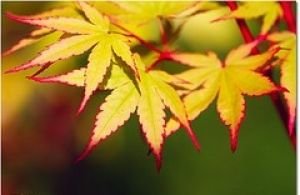
Japanese Acer Plant Care: Your Ultimate Guide to Thriving Maples
Discover how to select, plant, and care for the stunning Japanese Acer. From soil requirements and pruning to the most beautiful varieties, this comprehensive guide helps you grow a healthy, vibrant maple that becomes the centerpiece of your garden.
Read the Complete GuideLet Gardening Insight: The Japanese Acer, known botanically as Acer palmatum, is one of the most elegant and sought-after trees for gardens worldwide. Its delicate, palm-shaped leaves transform through the seasons—offering vibrant greens in spring, fiery reds and oranges in autumn, and a graceful bare silhouette in winter. With the right care and position, this plant rewards you with decades of breathtaking beauty.
Why Grow a Japanese Acer Plant?
🌿 Year-Round Interest
Japanese maples are prized for their seasonal color changes. Spring brings fresh, vibrant foliage; summer offers dense, cooling shade; autumn delivers a spectacular show of crimson, gold, and orange; and winter reveals striking branch structure.
🌱 Versatility in Garden Design
Whether you have a small urban garden, a spacious landscape, or a container on a patio, there's an Acer variety to suit your space. They work beautifully as specimen trees, in woodland gardens, or paired with rock and water features.
🍁 Symbolism & Heritage
In Japanese culture, the maple symbolizes grace, peace, and the beauty of nature's cycles. Growing one in your garden connects you to centuries of horticultural tradition and brings a sense of tranquility to your outdoor space.
Popular Japanese Acer Varieties
With over a thousand cultivars, choosing the right Japanese Acer can feel overwhelming. Here are five exceptional varieties that perform beautifully in a range of garden settings.
Bloodgood
One of the most popular and reliable varieties. Features deep purple-red leaves that hold their color well through summer, turning brilliant crimson in fall. Grows 15-20 feet tall, perfect for a focal point.
Osakazuki
Famous for its spectacular autumn color—the leaves turn a stunning bright scarlet. In summer, the foliage is a bright, fresh green. It grows upright and can reach 15-25 feet over time.
Dissectum Atropurpureum
A weeping, lace-leaf variety with finely cut, purple-red leaves. Its cascading form makes it ideal for planting near ponds, in rock gardens, or in large containers. Reaches 6-10 feet tall and wide.
Sango-kaku (Coral Bark)
Distinctive for its coral-red bark that provides stunning winter interest. The leaves are bright green in summer and turn golden-yellow with pinkish tints in autumn. Grows 15-20 feet tall.
Shishigashira (Lion's Head)
A compact, slow-growing variety with dense, crinkled, deep green leaves that form a 'lion's mane' appearance. Exceptional for smaller gardens or containers, reaching 6-10 feet. Autumn colors are rich gold and crimson.
Planting Your Japanese Acer
📍 Position & Light
Japanese Acers thrive in a position with morning sun and afternoon shade, especially in warmer climates. Too much hot midday sun can scorch the leaves, while too much shade reduces vibrant leaf color. A sheltered spot protected from strong winds prevents leaf damage.
🧪 Soil Requirements
These maples prefer well-draining, slightly acidic soil with a pH between 5.5 and 6.5. Enrich the planting area with organic matter like compost or leaf mold to improve structure and moisture retention. Heavy clay soils should be amended with grit or sand to prevent waterlogging.
🌱 Planting Steps
- Best Time: Early spring or autumn, when the weather is cool and the ground is workable.
- Hole Size: Dig a hole twice as wide and as deep as the root ball.
- Positioning: Place the plant so the top of the root ball is level with the surrounding soil.
- Backfill: Mix native soil with organic matter, backfill gently, and firm down.
- Watering: Water deeply and apply a layer of mulch around the base to conserve moisture.
Watering, Feeding & Ongoing Care
💧 Watering Essentials
Japanese Acers prefer consistent moisture but hate waterlogged roots. Water deeply during dry spells, especially in the first two years after planting. Reduce watering in autumn to help the plant harden off for winter. Container-grown acers need more frequent watering, especially in summer.
🍂 Fertilizing Schedule
Feed your Japanese Acer in early spring with a balanced, slow-release fertilizer formulated for acid-loving plants. Avoid high-nitrogen feeds, which can cause weak, leggy growth. A top dressing of well-rotted compost in spring also provides a gentle nutrient boost.
✂️ Pruning & Maintenance
Prune Japanese Acers in late autumn or winter when the tree is dormant. Remove dead, diseased, or crossing branches to maintain an open, healthy shape. Avoid heavy pruning; instead, make selective cuts to enhance the plant's natural elegance. Use sharp, sterilized tools.
Common Problems & Solutions
🍂 Leaf Scorch
Cause: Too much direct sunlight, wind, or drought stress. Solution: Provide afternoon shade, ensure consistent watering, and shelter from strong winds. Consider moving container-grown plants to a more sheltered spot.
🌿 Yellowing Leaves
Cause: Often due to alkaline soil or iron deficiency (chlorosis). Solution: Test soil pH and amend with acid-loving plant fertilizer or chelated iron. Avoid overwatering, which can also cause yellowing.
🐛 Pests & Diseases
Japanese Acers are generally pest-resistant but can occasionally suffer from aphids, scale, or tar spot. Solution: Use organic pest control methods like diatomaceous earth or introduce beneficial insects. Ensure good air circulation to prevent fungal issues.
Design Ideas for Your Japanese Acer
🏡 As a Focal Point
Plant a single, mature Japanese Acer as a dramatic focal point in your front yard or backyard. Its architectural form and seasonal color changes draw the eye and anchor the garden design. Pair with low-growing evergreens or ornamental grasses for contrast.
🪴 In Containers
Dwarf and weeping varieties are perfect for container gardening. Use a large pot with excellent drainage and a high-quality potting mix. Container-grown acers can be moved to protect from harsh weather, making them ideal for patios and small spaces.
🌸 Companion Planting
Pair Japanese Acers with shade-loving plants like hostas, ferns, and azaleas. Their delicate foliage complements the acer's texture and creates a serene, woodland feel. For a pop of color, consider planting with hummingbird vines or spring-blooming bulbs.
Japanese Acer Seasonal Calendar
🌸 Spring
- Apply slow-release fertilizer
- Mulch around the base to retain moisture
- Check for frost damage and prune if necessary
☀️ Summer
- Water deeply during dry periods
- Provide afternoon shade in hot climates
- Monitor for pests and treat organically
🍁 Autumn
- Enjoy the spectacular leaf color
- Collect fallen leaves for compost
- Reduce watering to prepare for dormancy
❄️ Winter
- Prune while dormant
- Protect container roots from freezing
- Admire the beautiful bark structure
Frequently Asked Questions
❓ How fast does a Japanese Acer grow?
Japanese Acers are slow to moderate growers, typically adding 12-24 inches per year depending on the variety and conditions. They are long-lived trees that reward patience with decades of beauty.
❓ Can I grow Japanese Acer from seed?
Yes, but it requires patience and stratification (a period of cold treatment). However, seedlings may not grow true to the parent plant. For specific cultivars, grafting or softwood cuttings are recommended.
❓ Is Japanese Acer suitable for small gardens?
Absolutely! Many dwarf and compact varieties like 'Shishigashira' or 'Dissectum' are perfect for small gardens and can even be grown in pots, making them a versatile choice for any space.
❓ Do Japanese Acers lose their leaves in winter?
Yes, they are deciduous and lose their leaves in autumn. The bare branches reveal a stunning architectural form and often beautiful bark color, providing winter interest.
Let Gardening Pro Tip: The Japanese Acer is more than just a plant—it's a living sculpture that changes with the seasons. With the right variety, position, and care, it will become a treasured part of your garden for generations. If you're ready to add this stunning tree to your landscape, browse our recommended supplies below to give your Acer the best possible start.