Outdoor Electrical Safety: Essential Guide for a Safe Yard
Protect your home and family with expert advice on outdoor electrical safety. From GFCI outlets to weatherproof covers and landscape lighting, learn everything you need to know.
Why Outdoor Electrical Safety Matters
Outdoor electrical safety is a critical yet often overlooked aspect of home maintenance. Whether you're installing landscape lighting, using power tools in the garden, or decorating your yard for the holidays, understanding the risks and best practices can prevent accidents, fires, and costly damage. This comprehensive guide will walk you through the essential components of outdoor electrical safety, from proper outlet installation to choosing the right extension cords and weatherproof products.
According to the Electrical Safety Foundation International (ESFI), thousands of electrical accidents occur each year due to improper outdoor electrical practices. By following the guidelines in this article, you can significantly reduce these risks and enjoy your outdoor spaces with peace of mind. Let's explore the key areas of outdoor electrical safety that every homeowner and gardener should know.
GFCI Outlets: Your First Line of Defense
Ground Fault Circuit Interrupters (GFCIs) are the most important safety device for outdoor electrical systems. These outlets are designed to quickly shut off power when they detect a ground fault or current leakage, preventing potentially fatal electric shocks. The National Electrical Code (NEC) requires GFCI protection for all outdoor receptacles, and for good reason.
When installing or replacing outdoor outlets, always choose GFCI models. Look for weather-resistant (WR) and tamper-resistant (TR) features for added protection. Regular testing is crucial — press the "Test" button on your GFCI outlets monthly to ensure they are functioning correctly. If the outlet doesn't trip, it needs to be replaced immediately.
🔌 Test Monthly
Press the "Test" button on your GFCI outlets every month to ensure they're working properly.
💧 Weatherproof Covers
Use weatherproof covers that protect your outlets from rain, snow, and moisture.
🔧 Professional Installation
Hire a licensed electrician for GFCI installation to ensure compliance with local codes.
For more information on protecting your outdoor electrical systems, explore our guides on outdoor decor and outdoor furniture covers to keep your entire outdoor space safe and well-maintained.
Choosing the Right Outdoor Extension Cords
Using the wrong extension cord is one of the most common outdoor electrical safety mistakes. Indoor extension cords are not designed to withstand moisture, temperature extremes, or UV exposure. Always use extension cords rated for outdoor use, marked with a "W" (weather-resistant) on the packaging.
The gauge (thickness) of the cord matters too. For longer distances and higher-powered tools, use a thicker cord with a lower gauge number (e.g., 12-gauge or 14-gauge). Never run extension cords under rugs, through doorways, or across walkways where they can be damaged or create tripping hazards. And always unplug cords when not in use.
When setting up outdoor lighting or decorations, proper cord management is essential. For seasonal displays, consider using string lights and path lights with weatherproof connectors. For more permanent installations, explore landscaping ideas that integrate lighting safely into your yard design.
Weatherproofing: Protecting Your Electrical Systems
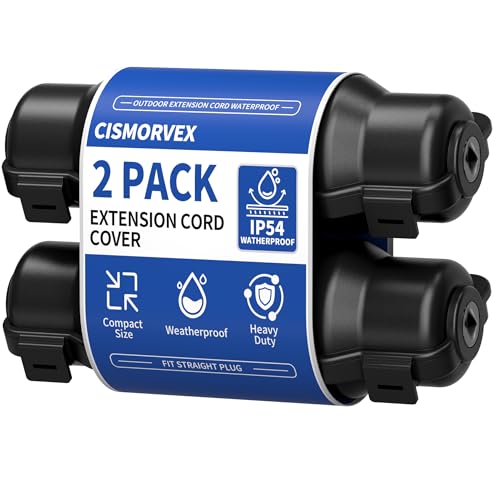
Weatherproofing is essential for outdoor electrical safety. Moisture is the leading cause of outdoor electrical failures, leading to short circuits, corrosion, and fire hazards. Use weatherproof covers that seal outlets when not in use, and apply dielectric grease to connections to prevent corrosion.
When installing landscape lighting, ensure all connections are made with waterproof connectors placed inside junction boxes. Underground wiring should be buried at the appropriate depth — at least 18 inches for PVC conduit and 24 inches for direct burial cable. Always check local building codes for specific requirements.
For a safer and more beautiful garden, consider integrating landscaping with proper electrical planning. Our spring gardening checklist includes safety inspections for your outdoor electrical systems, and our outdoor decor maintenance guide offers tips for year-round care.
Landscape Lighting: Safety and Design
Landscape lighting adds beauty, security, and functionality to your outdoor spaces, but it must be installed safely. Low-voltage lighting systems (12V) are generally safer and easier to install than line-voltage (120V) systems, but they still require proper connections and weatherproofing.
When planning your landscape lighting, consider using timer controls or smart home systems to manage power usage and reduce wear on fixtures. LED lights are an excellent choice for outdoor use — they produce less heat, last longer, and consume less energy, reducing the risk of overheating.
Explore our guides on spotlights and path lights to find the right lighting solutions for your yard. For seasonal decorations, our outdoor Christmas decorations sets and best Christmas yard decorations articles provide safe display ideas with proper electrical setups.
Seasonal Decorations: Safe Setup and Storage
Holiday decorating brings joy but also introduces significant electrical safety risks. Each year, electrical accidents increase during the holiday season due to overloading circuits, using damaged extension cords, and improper installation.
Here are some essential tips for safe seasonal decorating:
- Inspect all decorations — check for frayed wires, broken sockets, or loose connections before use.
- Avoid overloading circuits — use power strips with built-in surge protection and circuit breakers.
- Use weatherproof connectors — for outdoor displays, ensure all connections are sealed and protected from moisture.
- Turn off decorations before bedtime — use timers to automatically shut off lights.
- Store decorations properly — when not in use, wrap cords carefully and store in a dry area.
For the holiday season, our large Christmas yard decorations and Santa sleigh yard display articles offer inspiration with safety in mind. Also, check out weatherproof outdoor decorations for durable and safe options.
Power Tools and Garden Equipment
Power tools are essential for gardening and yard maintenance, but they also pose significant electrical hazards. Always inspect power cords for damage before use, and never use tools with frayed or exposed wiring. Outdoor tools should be plugged into GFCI-protected outlets, and extension cords should be heavy-duty and rated for the tool's power requirements.
When using pressure washers, hedge trimmers, or lawn mowers, be mindful of water sources and wet surfaces. Electric-powered tools should never be used in the rain or on wet grass unless they are specifically designed for wet conditions.
Discover safe and effective tools in our gardening tools guide, including aeration tools and self-propelled lawn mowers. For storage, our wall storage ideas help keep your tools organized and safe.
Stay Safe, Enjoy Your Outdoor Space
Outdoor electrical safety is an ongoing commitment that protects your property, your family, and your peace of mind. By following the best practices outlined in this guide — including proper outlet installation, using weatherproof products, choosing the right extension cords, and maintaining your electrical systems — you can enjoy your outdoor spaces with confidence.
Remember, when in doubt, consult a licensed electrician. Investing in professional installation and high-quality products is always cheaper than repairing damage from electrical accidents. And keep learning — our gardening tips and spring gardening checklist articles provide ongoing guidance for maintaining a safe and beautiful yard.
For more information on creating a safe and enjoyable outdoor environment, explore our related articles on outdoor decor, landscaping ideas, and water features.


![[3 Pack] Flemoon Outdoor Extension Cord Safety Cover with Waterproof Seal | Weatherproof Electrical Connection Box to Protect Outdoor Outlet, Plug, Socket, Christmas Holiday Decoration Light, Black](https://m.media-amazon.com/images/I/41hJ+ESBsXL._SL500_.jpg)