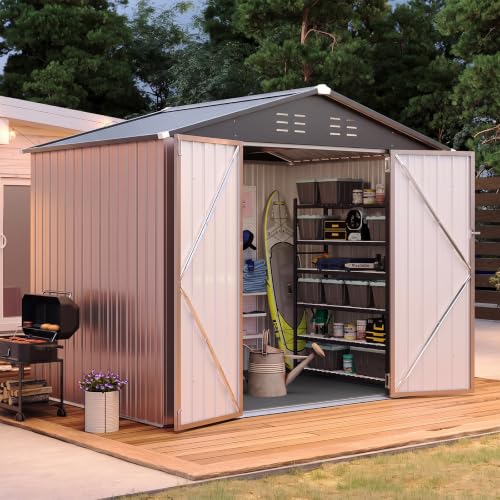
Outdoor Storage Shed with Floor: The Complete Buyer's Guide
Protect your garden tools, lawn equipment, and outdoor gear with a shed that comes ready with a built-in floor. Learn how to choose the right size, material, flooring type, and foundation so your investment lasts for years.
Shop Sheds with FloorsWhy a shed with a floor matters: A built-in floor separates your stored items from damp ground, blocks pests, creates a stable surface for shelving and heavy equipment, and keeps the interior usable in every season. If you're outfitting your yard, a floored shed is the foundation of a well-organized outdoor living space — pair it with the right outdoor living setup and thoughtful outdoor decor for a yard that works as hard as you do.
What Is an Outdoor Storage Shed with Floor?
An outdoor storage shed with floor is a prefabricated or built-on-site structure that arrives with an integrated flooring system rather than an open ground base. Instead of storing items directly on soil, gravel, or a concrete slab you pour yourself, you get a ready-to-use surface the moment the shed is assembled. This is especially valuable for homeowners who want a clean, dry place for lawn mowers, garden tools, bicycles, pool supplies, and seasonal decorations without the extra cost and labor of building a custom floor.
These sheds come in a wide range of footprints, from compact lean-to models that fit beside a garage to larger gable-roof units that function as a small workshop. Many models are designed for straightforward DIY assembly, with snap-together panels and pre-cut floor kits. If you've been searching for practical outdoor storage shed with floor options, this guide will walk you through the decisions that matter most.
Key Benefits of a Shed with a Built-In Floor
Moisture Protection
A raised or sealed floor keeps ground moisture away from tools and equipment, reducing rust, rot, and mildew.
Pest Barrier
A solid floor makes it harder for insects, rodents, and snakes to enter from below — a common problem with open-base sheds.
Stable Storage Surface
Shelving, cabinets, and heavy items like mowers sit level and secure instead of sinking into gravel or soil.
All-Season Usability
No muddy footing or standing water inside means you can access your shed comfortably in rain, snow, or mud season.
Choosing the Right Size and Footprint
Start with an honest inventory of what you plan to store. A compact 4x6 or 6x6 shed suits basic hand tools, a push mower, and a few storage bins. If you own a riding mower, wheelbarrow, or need space for long-handled tools and shelving, step up to an 8x8 or 8x10 footprint. Larger 10x12 and 10x14 models can double as a potting area or small workshop. Keep in mind that you'll want clear walking space around the largest item, not just enough room to squeeze it in.
Also check local zoning or HOA rules before you buy. Height restrictions, setback requirements, and permit thresholds vary by municipality, and a quick check now saves headaches later. For adjacent landscaping ideas that complement a new shed, see our guides on low-maintenance landscaping and mulch guide.
Floor Material Comparison: Resin, Wood, and Metal
The floor material determines durability, maintenance needs, and how heavy a load the shed can handle. Here is how the three most common options compare:
| Floor Material | Best For | Maintenance | Load Capacity |
|---|---|---|---|
| Resin / Plastic | Low-maintenance yards, damp climates, entry-level to mid-range sheds | Minimal — rinse and inspect annually | Light to moderate; use plywood overlay for heavy equipment |
| Wood (plywood or OSB) | Heavy tools, shelving, workshop use, traditional look | Moderate — seal or paint, inspect for rot | High; reinforce joists for very heavy loads |
| Metal (steel or aluminum) | Fire resistance, security, mid-tier to premium sheds | Low — check for rust at seams and edges | Moderate to high; avoid sharp or pointed loads |
Resin floors are the most popular choice for DIY-friendly kits because they resist rot and moisture and never need repainting. Wood floors feel solid underfoot and are ideal if you plan to install heavy shelving, but they require periodic sealing. Metal floors are durable and secure but can become slippery when wet, so consider a textured mat or interlocking tile overlay.
The Foundation Still Matters
Even a shed with a built-in floor needs a proper base. A level, well-drained foundation prevents settling, door misalignment, and water pooling. The most common options are a concrete pad (most durable), a compacted gravel bed (budget-friendly and good drainage), or a pressure-treated wooden platform (easy DIY). Whichever you choose, slope it slightly away from the shed so runoff does not collect under the floor.
If your shed will sit on a patio or deck, take a look at durable surfacing options like interlocking polypropylene patio and deck tile flooring to create a clean transition between the shed and your outdoor living area. For the surrounding yard, our paver installation guide covers the basics of building a stable, well-drained hardscape.
Features to Look For Before You Buy
- Reinforced floor joists: Look for a floor rated for the heaviest item you plan to store, plus a safety margin.
- Ventilation: Gable vents or ridge vents reduce condensation and musty odors inside the shed.
- Lockable doors: A hasp or built-in lock keeps tools and equipment secure.
- Weatherproof seals: Check door thresholds and panel seams for gaskets or overlapping joints that block wind-driven rain.
- Warranty: A multi-year warranty on panels and floor is a good signal of build quality.
- Assembly requirements: Confirm whether the kit needs two people, special tools, or a professional installer.
If you plan to add lighting or power, pair your shed with modern outdoor lighting and explore modern exterior wall lighting ideas so the shed blends with your home's exterior.
Organizing the Interior for Maximum Use
A floored shed is only as useful as its layout. Install wall-mounted racks for long-handled tools, use stackable bins for small parts, and keep the heaviest items low and toward the center of the floor. Consider a small workbench along one wall if you plan to repot plants or service equipment. For smaller tools and supplies, dedicated outdoor cabinets keep items dust-free and easy to find. If you also maintain a vegetable garden, an outdoor metal raised garden bed nearby makes a practical companion to your new shed.
Frequently Asked Questions
Why is a floor important in an outdoor storage shed?
A built-in floor keeps moisture and pests out, provides a stable surface for shelving and heavy equipment, protects stored items from ground contact, and makes the shed usable in all weather without muddy or damp footing.
What floor material is best for an outdoor storage shed?
Resin and plastic floors resist rot and moisture and are the most low-maintenance. Wood floors offer a traditional feel and can be reinforced for heavy loads. Metal floors are durable but can dent and may be slippery when wet.
Do I need a foundation under a shed with a floor?
Yes. Even sheds with built-in floors should sit on a level, well-drained base such as a concrete pad, gravel bed, or pressure-treated wooden platform. A proper foundation prevents settling, warping, and moisture damage over time.
Can I place a shed with a floor directly on grass or soil?
It is not recommended. Bare ground shifts with weather and moisture, which can warp the floor and misalign doors. Always prepare a level, drained base first.
Bottom line: An outdoor storage shed with floor is one of the most practical upgrades for any yard. Focus on the right footprint, a floor material that matches your storage load, and a solid foundation — and you'll have a dry, secure, organized space that serves you for years. Ready to compare models? Browse the recommended options below.