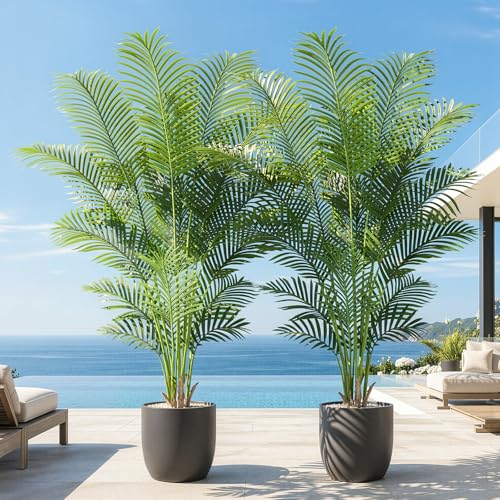
Palm Tree Care: Grow & Maintain Beautiful Palm Trees
Whether you dream of a tropical backyard oasis or a lush indoor jungle, palm trees bring elegance, movement, and a touch of the tropics to any space. Learn how to plant, nurture, and maintain healthy palms with confidence.
EXPLORE THE PALM CARE GUIDEWhy Palm Trees? Palm trees are among the most recognizable and versatile plants in the world. They serve as stunning focal points in landscapes, provide shade and privacy, and adapt beautifully to container growing indoors. With the right care, a palm can thrive for decades, becoming a living legacy in your garden or home.
Understanding Palm Trees Before You Plant
Palms are not true trees in the botanical sense — they are evergreen perennials belonging to the Arecaceae family. Unlike hardwood trees, palms grow from a single point at the top of the trunk, producing new fronds from a central crown. This unique growth habit means that once the trunk is damaged, the palm cannot heal or regrow from that point.
Before selecting a palm, consider your climate, available space, and whether you plan to grow it outdoors or indoors. Cold hardiness is a critical factor: some palms tolerate frost and snow, while others require warm tropical conditions year-round. If you're designing a broader landscape around your palm, our low-maintenance landscaping guide can help you plan a cohesive garden that complements your palm's natural beauty.
Palm trees also pair wonderfully with other low-maintenance plants. If you're looking for companion plants that thrive in similar conditions, explore our outdoor plants that are easy to take care of and our low-maintenance plants that come back every year.
Choosing the Right Palm Variety
The best palm for your space depends on your climate zone, sunlight exposure, and how much room you can offer. Below are some of the most popular and reliable palm varieties, grouped by their general market positioning to help you compare options fairly.
Parlor Palm (Chamaedorea elegans)
A compact, shade-loving indoor palm that thrives in low light. Perfect for beginners and small apartments. Slow-growing and forgiving of occasional missed waterings.
Areca Palm (Dypsis lutescens)
A popular clumping palm with feathery fronds. Excellent for bright indoor spaces and patios. Known for its air-purifying qualities and graceful appearance.
Queen Palm (Syagrus romanzoffiana)
A fast-growing outdoor palm with a smooth trunk and arching fronds. Ideal for warm climates and larger landscapes. Requires regular watering and feeding.
Windmill Palm (Trachycarpus fortunei)
One of the most cold-hardy palms available. Its fan-shaped fronds and fibrous trunk make it a striking choice for temperate gardens and cooler climates.
Bismarck Palm (Bismarckia nobilis)
A dramatic, silver-blue fan palm that commands attention. Best suited for spacious landscapes in warm climates. Slow-growing but exceptionally majestic.
Foxtail Palm (Wodyetia bifurcata)
A visually stunning palm with plumose fronds resembling a fox's tail. Thrives in tropical and subtropical regions. Prefers full sun and well-draining soil.
For indoor gardeners, smaller palms make excellent companions to other houseplants. If you're building a collection of easy-care indoor greenery, see our guide to low-maintenance best indoor plants for living room and our list of low-maintenance indoor plants for clean air.
Essential Palm Tree Care Guide
Caring for palms is straightforward once you understand their core needs. The table below summarizes the key care requirements across the most important categories.
| Care Category | Recommendation |
|---|---|
| Light | Most palms prefer full sun to bright indirect light. Indoor palms typically need bright, filtered light near a south- or west-facing window. |
| Water | Water deeply but allow soil to drain freely. Newly planted palms need consistent moisture; established palms are more drought-tolerant. |
| Soil | Well-draining, sandy loam is ideal. For containers, use a palm-specific potting mix with added perlite for drainage. |
| Fertilizer | Apply a slow-release palm fertilizer with micronutrients (magnesium, manganese, iron) two to three times during the growing season. |
| Pruning | Remove only dead or damaged fronds. Avoid cutting green fronds, as this stresses the palm and reduces its ability to photosynthesize. |
| Mulch | Apply a 2–3 inch layer of organic mulch around the base to retain moisture and suppress weeds. Keep mulch away from the trunk. |
Planting Palm Trees Correctly
Proper planting sets the foundation for a healthy palm. Dig a hole that is wider than the root ball — ideally two to three times the width — but no deeper than the root ball itself. Palms should be planted at the same depth they were growing in the nursery. Backfill with native soil mixed with compost, then water thoroughly to settle the soil and eliminate air pockets.
For container-grown palms, choose a pot only slightly larger than the root system. Overpotting can lead to waterlogged soil and root rot. Ensure the container has drainage holes and use a well-draining mix.
Watering and Drainage
Palm trees are sensitive to poor drainage. Waterlogged soil is one of the leading causes of palm decline, as it suffocates roots and promotes fungal disease. In landscape settings, plant palms on slight mounds if your soil is heavy clay. Indoors, always empty the saucer after watering to prevent standing water.
If you notice moss appearing on the soil surface or around the base of your palm, that's a sign of excess moisture. Our guide on what to do when your lawn is full of moss offers useful insights that also apply to garden beds around palms.
Feeding Palm Trees
Palms have specific nutritional needs that differ from other trees. They are particularly susceptible to deficiencies in magnesium, manganese, and potassium. A palm-specific fertilizer that includes these micronutrients will keep fronds green and healthy. Apply fertilizer evenly around the root zone, keeping it a few inches away from the trunk, and water it in thoroughly.
For gardeners interested in organic approaches, exploring organic pest control and natural soil-building practices will complement your palm care routine by fostering a healthy soil ecosystem.
Pest and Disease Management
Common palm pests include spider mites, mealybugs, scale insects, and palm weevils. Regular inspection of fronds — especially the undersides — helps catch infestations early. For indoor palms, maintaining moderate humidity and wiping fronds with a damp cloth reduces pest pressure. Outdoor palms benefit from good air circulation and proper spacing.
Fungal diseases like ganoderma butt rot and bud rot can be devastating. Prevention through proper drainage, avoiding overhead watering, and sanitizing pruning tools is far more effective than treatment. If you're dealing with persistent pest issues across your garden, our natural pest control guide provides eco-friendly strategies.
Winter Protection for Palms
If you garden in a marginal climate for palms, winter protection is essential. Wrap trunks with burlap or frost cloth, and protect the crown with a breathable cover during hard freezes. Mulching heavily around the base insulates roots from cold. Container palms should be moved to a sheltered location or indoors during winter.
Landscaping with Palm Trees
Palm trees are natural focal points. Use them as specimen plants in a lawn, as privacy screens along property lines, or as dramatic accents near patios and pools. They pair beautifully with other tropicals and low-water plants, creating layers of texture and height.
For a cohesive landscape, consider underplanting palms with low-growing shrubs for the front of the house in full sun or perennial ground cover plants for full sun with low maintenance. If you're designing a front yard, our low-maintenance front yard landscaping with rocks ideas can help you integrate palms into a clean, modern design.
Adding accent plants around your palm — such as perennial flowers that attract butterflies and hummingbirds — enhances biodiversity and visual interest. For shaded areas beneath taller palms, outdoor plants that don't need sunlight are excellent companions.
Frequently Asked Questions
How often should I water a newly planted palm tree?
Newly planted palms need consistent moisture while their root systems establish. Water deeply two to three times per week during the first few months, then taper off to once weekly as the palm matures. Always allow the top layer of soil to dry slightly between waterings to prevent root rot.
Can palm trees grow indoors?
Yes, many palm varieties thrive indoors when given bright indirect light, moderate humidity, and well-draining soil. Compact species such as the parlor palm, areca palm, and ponytail palm are excellent choices for homes and offices.
What is the best fertilizer for palm trees?
Choose a slow-release palm-specific fertilizer that includes micronutrients like magnesium and manganese. Apply during the growing season and avoid over-fertilizing, which can burn roots and cause nutrient imbalances.
Why are the fronds on my palm tree turning yellow?
Yellowing fronds can result from overwatering, nutrient deficiencies, or natural aging of older leaves. Check soil drainage, adjust your watering schedule, and consider a balanced palm fertilizer to correct deficiencies.
Ready to Bring Tropical Beauty to Your Garden?
Explore our curated selection of palm-friendly tools, soils, and supplies below to give your palm tree the best possible start.
SHOP PALM TREE ESSENTIALS