Tamukeyama Japanese Maple: The Complete Grow & Care Guide
Discover why this cascading laceleaf maple is a favorite for gardeners seeking dramatic color, elegant form, and four-season interest. Learn planting, care, and design tips from the experts.
Start Growing GuideQuick Overview: The Tamukeyama Japanese maple (Acer palmatum var. dissectum 'Tamukeyama') is a dwarf, weeping laceleaf maple prized for its deep burgundy foliage that holds color through summer and turns brilliant scarlet in fall. It is slow-growing, reaching 6–10 feet tall over a decade, and thrives in partial shade with moist, well-draining, slightly acidic soil.
What Makes Tamukeyama Japanese Maple Special?
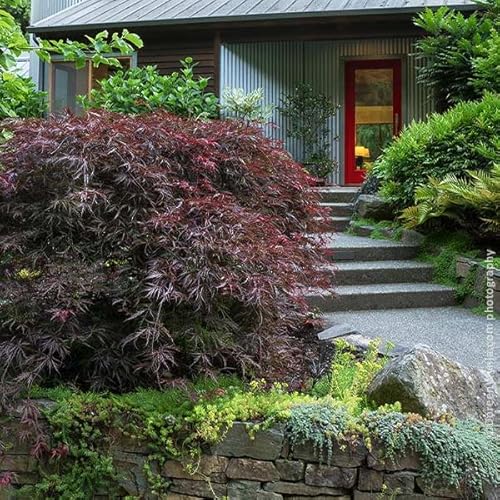
The Tamukeyama Japanese maple is one of the most celebrated laceleaf maples in cultivation. Its finely dissected, deeply lobed leaves create a delicate, lace-like texture that contrasts beautifully with broader-leaved garden plants. Unlike many red maples that fade to green in summer, Tamukeyama holds its rich burgundy-purple color reliably through the heat, then transforms into a fiery crimson display in autumn.
Originally developed in Japan and introduced to Western gardens in the 1700s, this cultivar has stood the test of time. Its cascading, mound-forming habit makes it an ideal focal point in mixed borders, a stunning container specimen, or a graceful addition to Asian-inspired gardens. Whether you are planting your first Japanese maple or adding to a collection, Tamukeyama rewards gardeners with year-round beauty and minimal fuss once established.
Tamukeyama Japanese Maple at a Glance
How to Plant Tamukeyama Japanese Maple
Proper planting is the single most important factor in the long-term health of your Tamukeyama. These maples have shallow, fibrous root systems that are sensitive to both drought and waterlogging. Follow these steps for a strong start:
1. Choose the Right Location
Select a site with partial shade—ideally morning sun and afternoon shade, especially in warmer climates. Protection from strong winds is equally important, as the delicate laceleaf foliage can tatter. A spot near a water feature or in a sheltered courtyard is ideal, as the humidity helps prevent leaf scorch.
2. Prepare the Soil
Test your soil pH if possible; Tamukeyama prefers slightly acidic conditions (pH 5.5–6.5). Amend heavy clay soil with generous amounts of compost or aged pine bark to improve drainage and aeration. If your soil is sandy, add organic matter to increase water retention. Raised beds or mounds can solve drainage problems in poorly draining sites.
3. Dig the Hole
Dig a hole two to three times as wide as the root ball but no deeper than the root ball itself. Planting too deep is a common mistake that can girdle the trunk. Set the tree so the root flare—where the trunk widens at the base—sits slightly above the surrounding soil line.
4. Backfill and Water
Backfill with the amended soil, gently firming it to eliminate air pockets. Water thoroughly at planting to settle the soil. Apply a 2–3 inch layer of organic mulch (pine bark, leaf mold, or compost) around the base, keeping it a few inches away from the trunk to prevent rot.
5. Stake if Needed
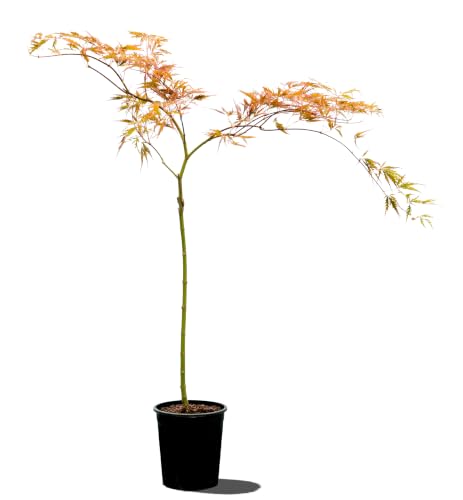
If your tree has a pronounced leader, a temporary stake can help it establish upright before the cascading habit takes over. Remove the stake after one growing season. For container growing, use a large pot with excellent drainage and a well-draining potting mix.
Care & Maintenance for Long-Term Health
Watering
Consistent moisture is critical, especially during the first two years after planting. Water deeply once or twice a week during dry spells, allowing the top inch of soil to dry between waterings. Established trees are more drought-tolerant but still benefit from deep watering during prolonged heat. Avoid overhead watering in the evening, which can promote fungal issues. A sprinkler system on a timer can help maintain consistency, but always check soil moisture manually.
Fertilizing
Tamukeyama is not a heavy feeder. Apply a slow-release, low-nitrogen fertilizer in early spring as buds break. Too much nitrogen encourages excessive, weak growth and can reduce fall color intensity. Organic options like compost tea or aged manure are excellent choices. Avoid fertilizing in late summer, which can push tender growth that won't harden before winter.
Pruning
Prune lightly in late winter or early spring while the tree is dormant. Remove dead, damaged, or crossing branches. The cascading form is best left to develop naturally, so avoid heavy structural pruning. If you need to shape the tree, make selective cuts rather than shearing. Sterilize your tools between cuts to prevent disease spread—sharp pruning shears are essential.
Mulching
A 2–3 inch layer of organic mulch helps regulate soil temperature, retain moisture, and suppress weeds. Replenish annually in spring. Keep mulch away from the trunk to prevent crown rot.
Winter Protection
In colder zones (Zone 5), protect the tree from drying winter winds with a burlap screen. Container-grown trees should be moved to a sheltered spot or the pot insulated with straw or bubble wrap. Late frosts can damage new spring growth—if frost is forecast, cover the tree with a light blanket or frost cloth in the evening and remove it in the morning.
Tamukeyama vs. Other Popular Japanese Maples
Choosing the right maple for your garden depends on your space, climate, and design goals. Here's how Tamukeyama compares to other well-known cultivars:
| Cultivar | Form | Foliage | Mature Size | Best For |
|---|---|---|---|---|
| Tamukeyama | Cascading, mound-forming | Deep burgundy laceleaf | 6–10 ft tall, 8–12 ft wide | Focal points, containers, small gardens |
| Bloodgood | Upright, rounded | Red-purple broadleaf | 15–20 ft tall, 15 ft wide | Shade trees, larger landscapes |
| Crimson Queen | Weeping, cascading | Deep red laceleaf | 8–10 ft tall, 10–12 ft wide | Similar to Tamukeyama; slightly larger |
| Emperor I | Upright, spreading | Red-purple broadleaf | 15–20 ft tall, 12 ft wide | Faster growth, cold hardiness |
| Viridis | Weeping, cascading | Bright green laceleaf | 6–10 ft tall, 8–12 ft wide | Green foliage contrast, shade gardens |
If you're considering other trees near you for sale, look for reputable nurseries that specialize in Japanese maples. For a different texture in the landscape, consider a weeping willow tree or a Thuja Green Giant arborvitae for privacy.
Landscaping with Tamukeyama Japanese Maple
Tamukeyama is a versatile design element that shines in many garden styles:
- Asian-inspired gardens: Pair with moss, stone lanterns, and a zen garden setting for a tranquil retreat.
- Mixed borders: Its burgundy foliage contrasts beautifully with green shrubs, gold-hued perennials that bloom all summer, and ornamental grasses.
- Container specimens: The cascading habit is ideal for large patio pots. Place near a water feature or string lights for evening drama.
- Front yard focal points: Use as a specimen in front yard flower beds or alongside walkways and paths.
- Slope stabilization: The fibrous roots help with erosion control on gentle slopes; combine with terraced gardening techniques.
For a cohesive landscape, underplant with shade-loving companions like hostas (learn how long it takes for hostas to grow) and ferns. Add a solar-powered bird bath fountain nearby to attract wildlife and enhance the serene atmosphere.
Common Problems and Solutions
- Leaf scorch: Brown, crispy leaf edges from too much sun, wind, or inconsistent watering. Provide afternoon shade and maintain even soil moisture.
- Verticillium wilt: A soil-borne fungus that causes sudden wilting and branch dieback. Plant in well-draining soil and avoid stressing the tree. Remove affected branches promptly.
- Aphids: Small sap-sucking insects that can distort new growth. Spray with a strong stream of water or use insecticidal soap. Encourage beneficial insects with companion plants.
- Root rot: Caused by waterlogged soil. Ensure excellent drainage and never plant in low-lying areas that collect water.
- Winter dieback: Cold damage from late frosts or drying winds. Protect with burlap screens and avoid fall fertilization.
Frequently Asked Questions
Tamukeyama is a slow-growing cultivar, typically adding 6 to 12 inches per year. It usually reaches 6 to 10 feet tall and 8 to 12 feet wide over 10 to 15 years, making it an excellent choice for smaller landscapes and container growing.
It performs best in partial shade, especially in hot climates. While it tolerates morning sun, intense afternoon sun can scorch the delicate laceleaf foliage. In cooler regions, it can handle more sun, but filtered light is always safest.
Yes, its compact cascading habit makes it an excellent container specimen. Use a large pot with excellent drainage, a slightly acidic soil mix, and protect the roots from freezing in winter by insulating the pot or moving it to a sheltered location.
Prune in late winter to early spring while the tree is dormant, or lightly in early summer after the first flush of growth. Remove dead, damaged, or crossing branches. Avoid heavy pruning, as the cascading form is best left to develop naturally.
It prefers moist, well-draining soil that is slightly acidic (pH 5.5 to 6.5). Amend heavy clay with organic matter and ensure drainage, as waterlogged roots are fatal. Mulch around the base to retain moisture and keep roots cool.
Ready to Add a Tamukeyama to Your Garden?
Explore our recommended selection of Japanese maples and essential planting supplies below. With the right tools and a little know-how, you'll be enjoying this stunning tree for decades to come.
View Recommended Supplies