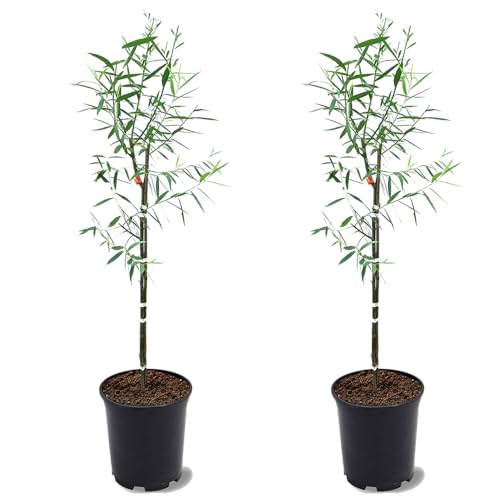
Why a Weeping Willow Tree for Sale Is Worth Considering
The weeping willow (Salix babylonica and related hybrids) is one of the most recognizable ornamental trees in the world. Its cascading branches, silvery-green foliage, and rapid growth make it a favorite for homeowners who want a dramatic shade tree without waiting decades. When you find a healthy weeping willow tree for sale, you are buying a tree that can transform a bare backyard into a lush, peaceful retreat within a few growing seasons.
Beyond its beauty, the weeping willow offers practical benefits. It provides generous shade, stabilizes soil in moist areas, and attracts birds and pollinators. It pairs beautifully with water features and hardscaping, making it a natural anchor for pond-side landscaping and terraced gardening projects. If you are planning a larger landscape redesign, it is worth comparing willow placement alongside other structural plants such as Tamukeyama Japanese maple or Thuja plicata Green Giant arborvitae for year-round interest.
Fast Growth
Weeping willows can grow two to three feet per year in ideal conditions, giving you quick shade and privacy.
Graceful Form
The pendulous branches create a soft, romantic silhouette that works in both formal and cottage gardens.
Wildlife Friendly
Willows provide shelter and nesting material for birds and support early-season pollinators.
Moisture Tolerant
They thrive in wet soil, making them a smart choice for low spots, pond edges, and rain gardens.
What to Look for When Buying a Weeping Willow Tree
Buying a tree online or from a nursery is different from buying a shrub. You want a specimen with a strong root system, a straight central leader, and flexible, healthy branches. Before you commit to a weeping willow tree for sale, review these key factors.
1. Root System Health
A healthy weeping willow should have a well-developed root ball or a robust bare-root system with no signs of rot or severe circling. If you are buying a potted tree, gently check that roots are not matted at the surface. For bare-root trees, look for firm, white-tipped roots.
2. Trunk and Branch Structure
Inspect the trunk for cracks, sunscald, or bark damage. Branches should bend without snapping. Avoid trees with excessive pruning wounds or dieback at the tips, as these can signal stress or disease.
3. Size and Age
Young bare-root willows establish quickly, while larger container-grown specimens offer instant impact. If you want faster results, a mid-size tree is often the best balance between cost and establishment speed. Larger specimens may need extra staking and watering during their first year.
4. Seller Reputation and Shipping Timing
Reputable nurseries ship dormant trees in late winter or early spring. Confirm the seller's hardiness zone coverage, replacement policy, and shipping method. A tree that arrives stressed or dried out is far more difficult to save, no matter how good the listing looked.
Comparing Weeping Willow Options by Tier
Not all weeping willows for sale are the same. The table below groups typical offerings into universal quality tiers so you can match the tree to your goals and experience level. These tiers describe relative positioning in the market and remain useful regardless of region or currency.
| Tier | Typical Offering | Best For |
|---|---|---|
| Entry-level | Bare-root saplings, smaller caliper, basic packaging | Patient gardeners, budget-conscious plantings, larger landscape projects |
| Mid-range | Container-grown trees, 3–5 gallon sizes, healthier branching | Most homeowners who want reliable establishment and moderate instant impact |
| Premium | Larger caliper specimens, professionally pruned, robust root balls | Instant focal points, front-yard showcases, clients who want minimal wait |
| Top-tier / Luxury | Specimen-grade trees with mature form and white-glove delivery | Designer landscapes, estates, high-visibility commercial plantings |
In general, mid-range weeping willows offer the best balance of establishment speed and value for typical residential gardens. Entry-level saplings are an excellent choice if you are planting several trees or experimenting with a new landscape plan. Premium specimens make sense when the tree is the centerpiece of a design and you want immediate structure.
Site Selection and Planting Tips
Weeping willows are water lovers, and their roots will travel far to find moisture. This is the single most important fact to understand before you plant. Choose a location with the following characteristics:
- Full sun: At least six hours of direct sunlight per day for strong growth and fewer disease issues.
- Moist, well-draining soil: Willows tolerate wet feet better than most trees, but standing water for weeks can still cause problems. Amend heavy clay with organic matter.
- Distance from structures: Keep the tree at least 30–50 feet from foundations, septic systems, sewer lines, and driveways. Roots seek water aggressively.
- Room to spread: Mature willows can span 35–50 feet. Plan for the canopy at maturity, not the sapling you are planting today.
Plant in early spring or fall when the tree is dormant or just breaking dormancy. Dig a hole two to three times wider than the root ball and no deeper than the root flare. Backfill with native soil, water deeply, and apply a two- to three-inch layer of mulch, keeping it away from the trunk. If your soil is very dry, plan a drip line or use a sprinkler system to keep the root zone consistently moist during the first two years.
Quick Planting Checklist
- Confirm your hardiness zone matches the willow variety.
- Choose a sunny site with moist, well-draining soil.
- Keep at least 30 feet from foundations and utility lines.
- Water deeply at planting and weekly for the first season.
- Stake larger trees for the first year to prevent wind rock.
- Mulch to conserve moisture and suppress weeds.
Ongoing Care for Your Weeping Willow
Once established, a weeping willow is relatively low-maintenance, but it does have specific needs. Regular watering is essential during dry spells, especially in the first three years. A watering can or a drip irrigation setup can help you deliver consistent moisture without overwatering.
Pruning
Prune in late winter while the tree is dormant. Remove dead, damaged, and crossing branches. Avoid heavy pruning in spring when sap is flowing, as willows bleed easily. If you need to shape the canopy, do so gradually over several seasons.
Fertilizing
Weeping willows generally do not need heavy fertilization. A light application of a balanced fertilizer in early spring supports new growth. Avoid high-nitrogen products, which can encourage weak, floppy growth. If you are also maintaining a lawn nearby, read our guide on starter fertilizer for grass to avoid overfeeding the tree's root zone.
Pest and Disease Watch
Willows can be susceptible to aphids, Japanese beetles, and occasional canker diseases. Good air circulation, proper spacing, and avoiding overhead watering reduce risk. If you notice significant pest pressure, consult a local extension service before applying treatments.
Litter Management
Willows drop twigs and leaves throughout the season. Plan for light cleanup, especially near walkways and paths and hardscaped areas. A leaf blower or rake makes quick work of seasonal debris.
Designing Around Your Weeping Willow
A weeping willow is a natural focal point, and it pairs well with a wide range of landscape styles. For a serene, Japanese-inspired garden, combine it with a zen garden layout and a water feature. For a more traditional look, underplant with shade-tolerant perennials and groundcovers. If you want to extend the garden's interest into winter, add solar-powered outdoor lights or string lights to highlight the tree's silhouette.
If your property includes a pond or a low, wet area, the willow can serve as a natural anchor. Pair it with a solar-powered bird bath fountain or a water feature to create a cohesive, wildlife-friendly zone. For seating, consider a bench or teak outdoor furniture positioned to enjoy the tree's dappled shade.
Because willows are large trees, they work best in spacious yards. If you have a smaller space, consider a dwarf variety or pair the willow with tall indoor plants and container plantings for a layered effect. For more inspiration, explore our low-maintenance front-of-house landscaping ideas and flower bed designs.
Common Mistakes to Avoid
- Planting too close to the house: Willow roots can invade foundations and pipes. Give the tree room to spread.
- Choosing a dry site: Willows need consistent moisture. Avoid sandy, fast-draining spots unless you plan to irrigate.
- Over-pruning: Heavy pruning stresses the tree and encourages weak growth. Prune lightly and on schedule.
- Ignoring hardiness zones: Confirm your zone before buying. A tree that is not cold-hardy will struggle or die.
- Buying from unverified sellers: Choose nurseries with clear shipping policies and healthy stock.
Frequently Asked Questions
How fast does a weeping willow tree grow?
Weeping willows are fast growers, often adding two to three feet of height per year when planted in moist soil and full sun. They can reach maturity in roughly 15 to 20 years.
Where should I plant a weeping willow tree?
Plant weeping willows in a sunny spot with consistently moist soil. Keep them well away from foundations, septic systems, and underground pipes because their roots spread aggressively in search of water.
Are weeping willow trees high maintenance?
They need more attention than many shade trees. Regular watering, occasional pruning of dead branches, and cleanup of fallen twigs keep a weeping willow healthy and tidy.
What should I look for when buying a weeping willow online?
Choose reputable sellers who ship bare-root or potted trees during the dormant season. Check for a healthy root system, flexible branches, and clear guidance on hardiness zones and shipping timelines.