Best Way to Water Grass Without a Sprinkler System
Keep your lawn healthy and green with practical manual watering techniques, the right hose tools, and smart scheduling — no automated irrigation required.
EXPLORE WATERING METHODSWhy manual watering still works: A sprinkler system is convenient, but it is not the only path to a lush lawn. With the right technique, the correct hose-end tools, and a simple watering schedule, you can deliver deep, healthy hydration to your grass by hand. This guide explains the best way to water grass without a sprinkler system, comparing methods, tools, and timing so you can choose what fits your yard, your schedule, and your lawn's needs.
Understanding How Grass Actually Drinks
Before choosing a tool or a technique, it helps to understand what your lawn truly needs. Grass absorbs water primarily through its root zone, not its blades. That means the goal of any watering method — sprinkler or not — is to deliver moisture several inches down into the soil so roots grow deep and the lawn becomes more drought-tolerant.
Shallow, frequent watering encourages shallow roots and makes grass more vulnerable to heat stress and disease. Deep, infrequent watering is the foundation of a resilient lawn. Most cool-season and warm-season grasses benefit from roughly one to one and a half inches of water per week, delivered in one or two deep sessions rather than a daily sprinkle. Without a sprinkler system, your job is to replicate that deep soak manually and consistently.
If your soil is clay-heavy or sandy, water absorption will differ significantly. Sandy soil drains quickly and may need shorter, more frequent sessions, while clay soil absorbs slowly and benefits from a "soak and cycle" approach — water, pause, then water again. Choosing the right grass for your soil type is also part of the equation; see our guide on the best grass seed for clay soil and full sun and the best grass seed for full sun and sandy soil for soil-specific recommendations.
Manual Watering Methods Compared
There is no single "best" method for every yard. The right choice depends on lawn size, your physical ability, water pressure, and how much time you can commit. Below are the most effective manual watering methods, each with a practical tier descriptor so you can match the approach to your situation.
Hand Watering with a Hose & Nozzle
The most accessible method. Attach an adjustable nozzle to a standard garden hose and move slowly across the lawn, using a fan or shower spray. It is labor-intensive for large areas but gives you precise control and is ideal for small lawns, spot watering, and newly seeded patches.
Soaker Hose Layout
A soaker hose weeps water slowly along its length, delivering deep moisture directly to the soil with minimal evaporation. Lay it in sections and move it every 30 to 45 minutes. It is efficient and gentle, though setup takes planning and it works best on relatively flat ground.
Hose-End Sprinkler Attachment
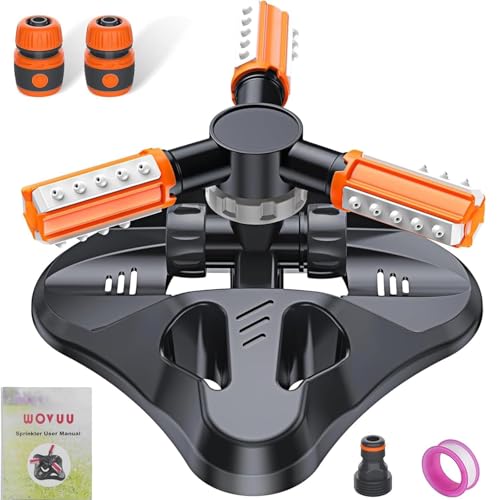
A hose-end sprinkler is technically a sprinkler, but it is not a full irrigation system. It attaches to your hose and covers a defined area, then you move it. This is a practical middle ground for medium lawns, offering wider coverage than hand watering without permanent installation.
Walk-Behind Hose Reel & Timer Combo
For larger properties, a heavy-duty hose reel paired with a hose-end water timer reduces physical strain and lets you run timed sessions while you do other tasks. It is a more organized, higher-end manual setup that still avoids a permanent sprinkler system.
The Best Way to Water Grass Without a Sprinkler System: Step by Step
Regardless of the tool you choose, the underlying technique is the same. Follow this sequence to water deeply and efficiently.
- Water in the early morning. The ideal window is between 6 and 10 a.m. Temperatures are cooler, wind is calmer, and evaporation is low. Morning watering also lets the grass blades dry during the day, which reduces the risk of fungal disease compared with evening watering.
- Measure how much you are applying. Place a few shallow tuna cans or similar containers around the lawn while you water. Stop when they collect about half an inch to three-quarters of an inch. This simple trick turns guesswork into a repeatable, deep soak.
- Use a slow, soaking spray pattern. Set your nozzle to a gentle fan or shower setting rather than a hard jet. Fast water runs off the surface before it can penetrate. Move the spray slowly and evenly, overlapping each pass slightly.
- Soak and cycle on clay or compacted soil. If water pools or runs off, stop, wait 20 to 30 minutes, and water again. This "soak and cycle" method lets slow-absorbing soil take in moisture instead of wasting it.
- Water deeply but infrequently. Aim for two deep sessions per week rather than daily light watering. Deep watering encourages roots to grow downward, which makes the lawn more resilient during dry spells.
- Focus on problem areas separately. Slopes, bare spots, and sunny edges often need extra attention. Hand water these zones first while the rest of the lawn soaks.
Pro Tip: Check Your Soil Moisture
Push a screwdriver or soil probe into the lawn a few hours after watering. If it slides in easily to about six inches, you have watered deeply enough. If it resists, you need more water or a longer soak-and-cycle session.
Tools That Make Manual Watering Easier
Without a sprinkler system, the right equipment does most of the heavy lifting. Here is a quick comparison of the tool categories that matter most for manual lawn watering.
| Tool | Best For | Key Advantage |
|---|---|---|
| Adjustable hose nozzle | Small lawns, spot watering, seeding | Precise control and multiple spray patterns |
| Soaker hose | Deep watering, garden beds, flat lawns | Minimal evaporation and gentle delivery |
| Hose-end sprinkler | Medium lawns with movable coverage | Wider reach than hand watering |
| Hose reel with cart | Large lawns and frequent use | Reduces strain and keeps hose organized |
| Hose-end water timer | Busy schedules, timed sessions | Automates manual watering within limits |
| Watering can | Small patches, containers, seedlings | Gentle, controlled flow for delicate areas |
For pressure washing tasks around the yard, a durable hose matters too — see our guide to the best garden hose to use with a pressure washer. If you are also managing garden beds, soaker hoses and self-watering systems for outdoor potted plants can complement your lawn watering routine.
How to Water Different Lawn Situations Without a Sprinkler
Every lawn has its quirks. Here is how to adapt manual watering to common challenges.
- Slopes and hills: Water slowly in short bursts so it does not run off. Start at the top and work downward, pausing to let the soil absorb.
- Newly seeded areas: These need light, frequent misting rather than deep soaking. A gentle shower nozzle or watering can is better than a strong spray.
- Compacted soil: Aerate first, then use the soak-and-cycle method. Water penetration improves significantly once compaction is relieved.
- Large lawns: Divide the lawn into zones and water one zone per session. A hose-end sprinkler plus a timer is the most time-efficient manual approach.
- Drought-stressed grass: Water deeply once, wait a day, then water again. Avoid forcing water into dry, hard soil all at once.
Common Mistakes to Avoid
Even with the best intentions, manual watering can go wrong. Watch for these pitfalls:
- Watering too often and too lightly. This creates shallow roots and a weak lawn.
- Watering at midday. Up to half the water can evaporate before it reaches the soil.
- Watering at night. Prolonged leaf wetness invites fungal disease.
- Ignoring runoff. If water is running down the driveway, you are wasting it. Slow down and use soak-and-cycle.
- Forgetting to adjust for weather. Skip or reduce watering after rain, and increase frequency during heat waves.
Frequently Asked Questions
Most lawns need about one to one and a half inches of water per week. Without a sprinkler, water deeply two to three times per week rather than daily. Early morning is the best time to water, as it reduces evaporation and allows the grass to dry before evening, which helps prevent disease.
For a large lawn, a high-quality adjustable hose nozzle with a wide spray pattern combined with a water timer or a hose-end timer can help you manage the area efficiently. Alternatively, a walk-behind hose reel and a heavy-duty soaker hose laid out in sections can reduce the physical effort of hand watering.
Yes. Attach an adjustable nozzle set to a gentle shower or fan spray and move it slowly across the lawn, allowing the water to soak in. To water deeply, aim to deliver the equivalent of about half an inch to three-quarters of an inch per session, then pause and repeat once the water has absorbed.
Early morning is the best time. Watering in the morning reduces water loss from evaporation and gives the grass blades time to dry during the day, lowering the risk of fungal problems. Evening watering leaves moisture on the blades overnight, which can encourage disease.
Related Lawn Care Guides
Manual watering is one piece of a healthy lawn routine. These guides can help you tackle the challenges that often come with it.
Ready to Build a Healthier Lawn Routine?
Pair smart manual watering with the right tools and seasonal care. Explore our recommended products below to make every watering session count.
VIEW RECOMMENDED TOOLS