Butterfly Bush Care Guide: Attract Pollinators
Transform your garden into a butterfly paradise with vibrant, fragrant blooms. Learn expert tips for planting, pruning, and caring for this pollinator magnet.
START YOUR BUTTERFLY GARDENLet Gardening Philosophy: The butterfly bush (Buddleja) is more than just a beautiful shrub—it's a beacon for pollinators. With its fragrant, nectar-rich flowers, it attracts a kaleidoscope of butterflies, hummingbirds, and other beneficial insects. Our comprehensive guide will help you grow a thriving butterfly bush that brings life and color to your landscape.
1. Planting Butterfly Bush: Location & Soil
Choosing the right spot is crucial for a healthy, blooming butterfly bush. These shrubs are sun-loving and adaptable, but they have specific preferences for optimal growth.
📍 Site Selection
- Sunlight: Plant in full sun (at least 6 hours of direct sunlight per day). More sun equals more blooms.
- Soil: They prefer well-drained soil. Avoid heavy clay or constantly wet areas. Amend with compost or organic matter.
- pH: Adaptable to most soil pH levels, but a slightly acidic to neutral range (6.0–7.0) is ideal.
- Spacing: Space plants 4–6 feet apart to allow for mature growth and good air circulation.
🌱 Planting Steps
- Dig a Hole: Make it twice as wide and the same depth as the root ball.
- Amend Soil: Mix compost with the native soil to improve drainage and fertility.
- Position: Place the plant so the top of the root ball is level with the ground.
- Backfill & Water: Fill the hole, gently firm the soil, and water deeply.
- Mulch: Apply a 2-inch layer of organic mulch around the base to retain moisture and suppress weeds.
2. Butterfly Bush Care: Watering, Fertilizing & Pruning
With minimal care, butterfly bushes reward you with spectacular blooms from summer to fall. Here's how to keep them thriving.
💧 Watering & Fertilizing
- Watering: Water deeply during the first growing season to establish roots. Once established, they are drought-tolerant and need only occasional watering.
- Fertilizing: Feed with a balanced, slow-release fertilizer (10-10-10) in early spring, just as new growth appears.
- Organic Boost: Top-dress with compost in spring to enrich the soil.
- Avoid Overfeeding: Excessive fertilizer can lead to leggy growth and fewer flowers.
✂️ Pruning & Deadheading
- When to Prune: In late winter or early spring, cut back the entire plant to 12–18 inches above the ground. This encourages vigorous new growth and abundant blooms.
- Deadheading: Remove spent flower spikes regularly to prolong the blooming period and prevent self-seeding.
- Shaping: For mature plants, light shaping can be done in early summer to maintain a compact form.
- Rejuvenation: Every few years, you can cut the plant back more severely to rejuvenate it.
3. Butterfly Bush Varieties & Companion Planting
With a wide range of colors and sizes, there's a butterfly bush for every garden. Pair them with other pollinator-friendly plants for a stunning display.
🌈 Popular Varieties
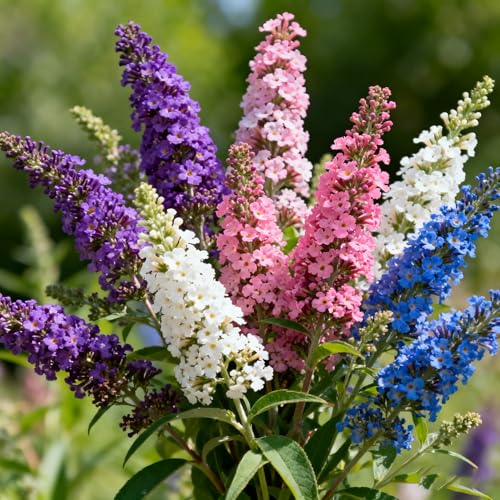
- Buddleja davidii: The classic species, with arching branches and large, fragrant flower spikes. Available in purple, pink, white, and blue.
- Buddleja globosa: A less common variety with orange, ball-shaped flowers. More compact and slightly more tender.
- Buddleja x weyeriana: A hybrid with yellow to orange blooms, often with a longer flowering season.
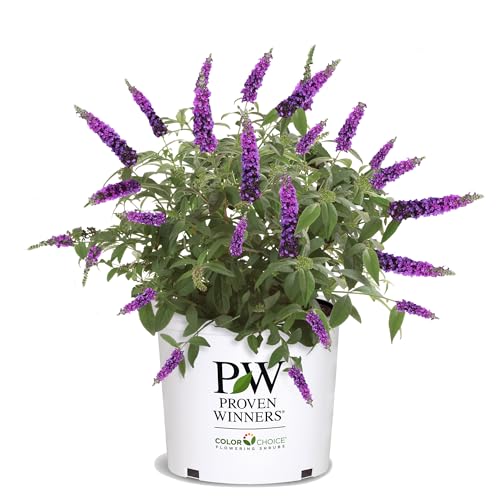
- Dwarf Varieties: For smaller spaces, look for varieties like 'Buzz' series or 'Blue Chip' which stay compact.
🌼 Companion Plants
Create a pollinator haven by planting butterfly bush with other nectar-rich plants. Consider these excellent companions:
- Butterfly Bush pairs beautifully with other pollinator-friendly plants like coneflowers, bee balm, and milkweed.
- Add vertical interest with tall perennials like full sun perennials such as garden phlox or Russian sage.
- For a dramatic contrast, plant with ornamental grasses or other shrubs like spirea or weigela.
- Include summer-blooming flowers like zinnias and cosmos to keep the color going.
4. Attracting Butterflies & Hummingbirds
Butterfly bushes are a magnet for pollinators. Here's how to maximize their appeal and support local wildlife.
- Plant in Groups: Planting multiple butterfly bushes together creates a more visible target for pollinators.
- Provide Water: Add a shallow water source, like a birdbath or a saucer with pebbles, to give butterflies a place to drink.
- Avoid Pesticides: Skip chemical insecticides, which can harm butterflies and other beneficial insects. Use natural pest control methods instead.
- Include Host Plants: While butterflies love the nectar, they need host plants like milkweed and parsley to lay their eggs. Consider adding milkweed plants to your garden to support monarch butterflies.
- Provide Shelter: Place your butterfly bush near trees or structures that offer shelter from wind and predators.
Bring Butterflies to Your Garden
Shop our curated selection of butterfly bush plants, pruning tools, and pollinator-friendly supplies to create a vibrant, buzzing garden.
Shop Butterfly Garden Essentials