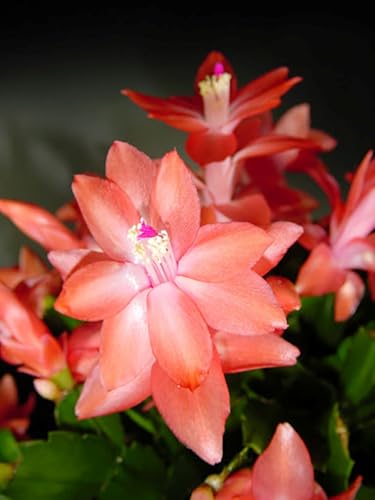
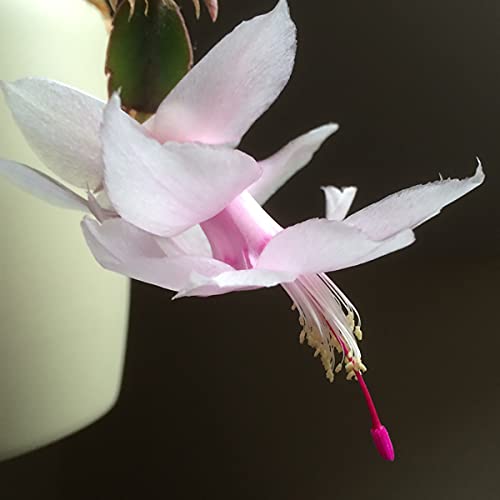
The Christmas cactus (Schlumbergera bridgesii) is a beloved holiday plant known for its stunning winter blooms. However, many plant owners struggle with one critical question: how often should I water a Christmas cactus plant? Unlike typical cacti, this tropical succulent has unique watering needs that can make or break its health and flowering potential.
💧 The Golden Rule: Water your Christmas cactus only when the top 1–2 inches of soil feel completely dry to the touch. This typically translates to every 7–10 days in spring and summer, and every 10–14 days in fall and winter. But this varies based on your home's temperature, humidity, and light conditions.
Understanding Your Christmas Cactus's Watering Needs
The Christmas cactus is a tropical succulent that originates from the coastal mountains of Brazil, where it grows as an epiphyte on trees. This means it's adapted to high humidity and well-draining soil, but it does not store water in its leaves like desert cacti. Proper Christmas cactus care starts with understanding that it prefers consistent moisture, but never soggy conditions.
Overwatering is the most common cause of Christmas cactus decline, leading to root rot and dropped segments. Underwatering, on the other hand, will cause the plant to wilt, lose buds, and become stunted. Learning the how to get a Christmas cactus to bloom again often involves mastering this balance.
Seasonal Watering Schedule
Your Christmas cactus's water requirements change throughout the year. Here's a detailed seasonal guide to help you adjust your routine:
| Season | Watering Frequency | Special Considerations |
|---|---|---|
| Spring (March–May) | Every 7–10 days | Increase frequency as days get longer; start fertilizing after blooming ends. |
| Summer (June–August) | Every 7–10 days | Check more frequently if temps exceed 80°F; consider light misting. |
| Fall (September–November) | Every 10–14 days | Reduce watering to encourage bud formation; provide 12–14 hours of darkness. |
| Winter (December–February) | Every 12–14 days | Keep soil slightly drier; avoid cold drafts and excess moisture. |
🌟 Pro Tip: The "Finger Test"
Insert your finger about 1–2 inches into the soil. If it feels dry, it's time to water. If it feels moist or cool, wait 2–3 days and check again. This simple method prevents overwatering and helps you understand your plant's unique needs.
Signs You're Watering Incorrectly
Recognizing the visual cues your Christmas cactus gives you is the key to adjusting your watering routine. Here are the most common signs of overwatering and underwatering:
💧 Overwatering Symptoms
- Yellowing, mushy, or dropping segments
- Soft, rotting base or roots
- Foul smell from soil
- Bud drop before blooming
- Fungal growth on soil surface
🌵 Underwatering Symptoms
- Wrinkled, shriveled, or limp segments
- Brown, crispy edges on leaves
- Pinkish or reddish discoloration
- Slow growth or no new segments
- Flower buds failing to develop
If you notice any of these symptoms, adjust your watering schedule immediately. For severe overwatering, you may need to repot your Christmas cactus in fresh, dry soil and trim any rotting roots.
Step-by-Step Watering Guide
Follow this simple 5-step process to water your Christmas cactus like a pro:
- Check soil moisture: Insert your finger 1–2 inches into the soil. Water only if it feels dry.
- Use room-temperature water: Cold water can shock the roots. Let tap water sit overnight to allow chlorine to evaporate.
- Water thoroughly: Pour water slowly until it drains from the bottom. Allow excess water to run off completely.
- Empty the saucer: Always remove standing water from the drip tray after 15 minutes to prevent root rot.
- Observe and adjust: After watering, monitor your plant for signs of stress and adjust frequency as needed.
For those looking to get a Christmas cactus to bloom at Christmas, proper watering is essential during the fall. Reducing watering slightly and providing 12–14 hours of darkness can stimulate bud formation.
Factors That Affect Watering Frequency
No two homes are the same, and several environmental factors can change how often you need to water. Consider these variables:
- Pot size and material: Clay pots dry out faster than plastic. Smaller pots need more frequent watering.
- Soil mix: Well-draining cactus soil is ideal. Dense potting soil retains moisture longer.
- Temperature: Warmer rooms (above 72°F) increase evaporation and water uptake.
- Humidity: Dry air (below 40% humidity) accelerates moisture loss. Consider using a humidity tray.
- Light exposure: Bright, indirect light increases photosynthesis and water consumption.
- Seasonal growth: Active growth in spring and summer requires more water than dormant periods.
Understanding these factors helps you fine-tune your routine. For example, if you keep your plant near a plant light for indoor plants or in a warm spot, you'll likely need to water more often.
Best Soil and Potting Mix for Healthy Roots
Using the right soil is just as important as watering correctly. Christmas cactus roots are delicate and prone to rot if kept too wet. A well-draining mix is essential for long-term health.
For the best results, use a commercial cactus and succulent potting mix amended with extra perlite or orchid bark to improve drainage. You can also create your own mix by combining two parts potting soil with one part perlite and one part coarse sand. This ensures that excess water drains quickly, preventing soggy roots.
Repotting every 2–3 years with fresh soil also helps maintain proper moisture balance. If you're ready to repot, consider using a large plastic planter with drainage holes for optimal root health.
Common Watering Mistakes to Avoid
Even experienced gardeners make mistakes. Here are the most frequent errors and how to avoid them:
- Watering on a fixed schedule: Always check the soil first. Watering by calendar date is a recipe for overwatering.
- Using cold or hard water: Room-temperature, filtered or rainwater is best. Cold water can cause root shock.
- Ignoring drainage: Always use pots with drainage holes. Without them, water collects at the bottom and rots the roots.
- Misting instead of watering: Misting only wets the leaves, not the roots. Always water the soil directly.
- Watering during dormancy: From late fall to early winter, reduce watering significantly to allow the plant to rest and form buds.
Watering Tips for Blooming and Bud Development
The most rewarding time for a Christmas cactus owner is when vibrant blooms appear. However, improper watering can cause buds to drop before they open. Here's how to support the blooming process:
- During bud formation (fall): Maintain consistent moisture. Never let the soil dry out completely, as this can trigger bud drop.
- While in bloom (winter): Water slightly less frequently, but never let the soil become bone dry. Overwatering during bloom can shorten the flowering period.
- After blooming (spring): Resume regular watering and begin a balanced liquid fertilizer to encourage new growth.
- Humidity boost: Place a tray of water and pebbles near the plant to increase ambient humidity, which mimics its native rainforest environment.
By following these guidelines, you'll not only enjoy a spectacular display of flowers but also ensure your plant remains healthy and vibrant for years to come. If you're interested in learning more about how to get a Christmas cactus to bloom again, check out our full guide.
Frequently Asked Questions
Can I water my Christmas cactus with tap water?
Yes, but it's best to let tap water sit out overnight to dissipate chlorine and fluoride. If possible, use filtered or rainwater for the healthiest growth.
Should I water my Christmas cactus from the top or bottom?
Top watering is recommended as it helps flush out excess salts from the soil. Just ensure you water thoroughly and allow the excess to drain completely.
How do I know if my Christmas cactus is overwatered?
Look for yellowing, mushy segments, a musty smell, or root rot. If you notice these, stop watering immediately and consider repotting in fresh, dry soil.
What should I do if my Christmas cactus is underwatered?
Give it a thorough soak until water drains from the bottom. Ensure the soil is completely saturated. Then, let it dry out slightly before the next watering.
Can I water my Christmas cactus with ice cubes?
While some plant owners use the ice cube method to avoid overwatering, it's not recommended for Christmas cactus. The cold can shock the tropical roots and cause stress.
Does the pot size affect how often I should water?
Yes. Smaller pots dry out much faster and require more frequent watering. Larger pots hold moisture longer, so you'll water less often.
Final Tips for a Thriving Christmas Cactus
Mastering how often should I water a Christmas cactus plant is the cornerstone of successful care. By combining the guidelines above with attentive observation, you'll develop an intuitive sense of when your plant needs moisture. Remember:
- Always check the soil before watering.
- Adapt your schedule to seasonal changes.
- Use well-draining soil and pots with drainage holes.
- Watch for visual cues—your plant tells you when it's stressed.
- Be patient and adjust gradually for the best results.
With the right watering routine, your Christmas cactus will reward you with lush growth and spectacular winter blooms year after year. Happy gardening, and may your home be filled with the joy of thriving, flowering plants!