Why Buy Trees Locally — and What "Near Me" Really Means
When you search for trees for sale near me, you're usually looking for convenience, healthy stock, and expert advice from someone who understands your local climate. A nearby nursery has a major advantage: the trees it carries have typically been grown in conditions similar to your yard, which means less transplant shock and a higher survival rate.
That said, "near me" can mean several things. You might buy directly from a local nursery or garden center, from a tree farm that specializes in field-grown specimens, from a big-box home improvement store, or from an online retailer that ships bare-root or container-grown trees to your door. Each channel has trade-offs in selection, plant size, acclimation, and the level of guidance you receive. If you're also considering related outdoor improvements, browsing guides like landscaping ideas for front of house flower beds can help you visualize where a new tree will fit best.
Local purchase also lets you inspect the tree in person — checking the trunk, root flare, branching structure, and foliage before you commit. That hands-on inspection is something no online listing can fully replicate, and it is the single best way to avoid bringing home a stressed or diseased tree.
Types of Trees Available for Sale
Most nurseries near you will carry a broad mix of categories. Understanding what each type offers helps you narrow your search and avoid impulse purchases that don't match your yard's conditions.
Shade Trees
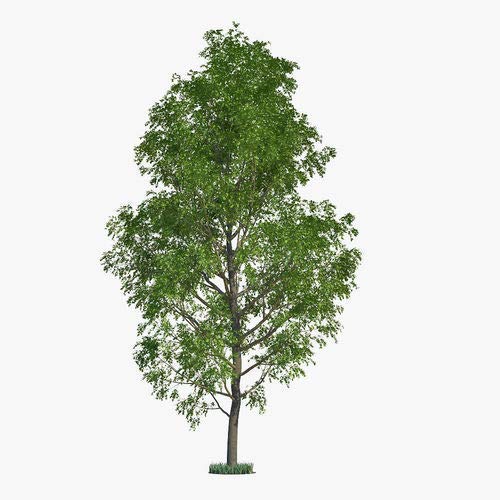
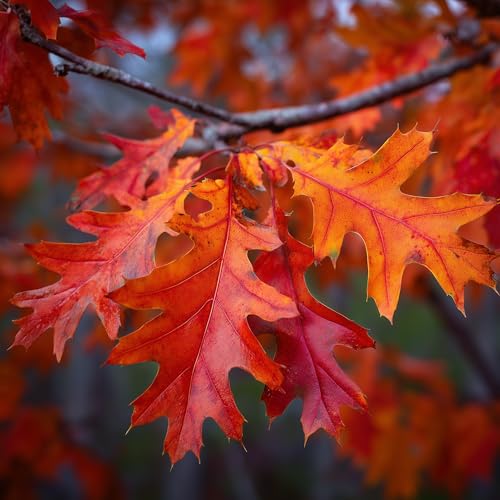
Fast- to moderate-growing canopy trees that cool your home and yard. Look for strong central leaders and well-spaced branches. Popular choices include maples, oaks, and elms.
Ornamental & Flowering Trees
Smaller trees grown for seasonal color and form — dogwoods, redbuds, crabapples, and flowering cherries. Ideal for focal points and smaller yards.
Evergreen & Privacy Trees
Year-round screening and windbreaks. Arborvitae and similar conifers are workhorses for property lines — see our guide to Thuja plicata Green Giant Arborvitae for a proven performer.
Fruit Trees
Apples, pears, peaches, plums, and more. Check pollination requirements and chill hours for your region before buying. Explore tropical fruit options if you garden in a warm climate.
Specimen & Japanese Maples
Premium, slow-growing trees used as living sculpture. A well-known choice is the Tamukeyama Japanese maple, prized for its cascading form and deep color.
Weeping Trees
Dramatic, cascading silhouettes that anchor a lawn or water feature. The weeping willow tree for sale guide covers placement and moisture needs.
Whatever category you choose, match the mature size of the tree to your space. A tree that looks manageable in a nursery container can outgrow a small front yard within a decade. If you're planning a larger planting scheme, pairing trees with structural features such as trellis designs or hardscaping creates a more cohesive landscape.
Trees for Sale Near Me: Buying Checklist
Before you hand over payment, run through this checklist. It takes only a few minutes and dramatically improves your odds of a healthy, long-lived tree.
Inspect the tree like a pro
- Check the root flare. The trunk should widen naturally at soil level. A buried or absent flare signals planting depth problems that lead to rot and girdling roots.
- Look at the roots (if visible). Roots should be firm and light-colored, not circling tightly around the pot or mushy and dark.
- Examine the trunk. Reject trees with cracks, sunscald, cankers, or fresh wounds. A single dominant leader is ideal for most shade trees.
- Inspect the canopy. Healthy foliage should be evenly colored with no yellowing, spotting, or heavy insect damage. Avoid trees with sparse or lopsided crowns.
- Check for pests and disease. Look under leaves and along stems for scale, mites, or fungal spots. Ask the nursery about any recent treatments.
- Confirm the cultivar and hardiness zone. Make sure the tag matches your U.S.D.A. zone and that the tree is appropriate for your sunlight and soil.
- Ask about warranty and acclimation. Many local nurseries offer a one-season guarantee if you follow their planting instructions — ask before you buy.
Bare-Root vs. Container-Grown vs. Balled-and-Burlapped
The form in which a tree is sold affects both its cost tier and how you plant it. Here's how the main options compare.
| Form | Best For | Advantages | Considerations |
|---|---|---|---|
| Bare-Root | Early spring planting, mail-order, budget-friendly projects | Lightweight, easy to ship, roots visible for inspection, establishes quickly | Must be planted while dormant; limited to smaller caliper sizes |
| Container-Grown | Flexible planting windows, smaller to mid-size trees | Available almost year-round; root ball intact; easy to handle | Roots may circle in the pot; check for girdling before planting |
| Balled-and-Burlapped (B&B) | Larger specimen trees, instant impact | Larger caliper trees available; good for mature landscaping | Heavy — often requires equipment to move; higher cost tier |
Entry-level projects often start with bare-root or smaller container trees, while mid-range and premium landscape installations frequently use balled-and-burlapped specimens for immediate visual weight. Choose based on your planting window, the size you need, and how much help you have on planting day.
How to Plant a New Tree Correctly
Proper planting is the difference between a tree that thrives and one that struggles for years. Follow these steps for best results.
- Choose the right site. Match sunlight, soil drainage, and mature size to the location. Keep the tree well away from foundations, driveways, and overhead utility lines.
- Dig a wide, shallow hole. The hole should be two to three times as wide as the root ball but no deeper than the root ball itself. The root flare must sit at or slightly above grade.
- Loosen the roots. For container trees, gently tease out circling roots. For bare-root trees, spread the roots over a cone of soil in the hole.
- Backfill and water. Backfill with native soil (avoid heavy amendments in the planting hole), firm gently, and water thoroughly to settle the soil and remove air pockets.
- Mulch, don't volcano. Apply two to three inches of mulch in a ring around the tree, keeping it a few inches away from the trunk.
- Stake only if necessary. Stake loosely for the first season only in windy, exposed sites, then remove ties to allow the trunk to strengthen.
- Water consistently in year one. Deep, infrequent watering encourages deep roots. Tools like watering cans and drip systems help you stay consistent.
Caring for Your New Tree After Planting
Once your tree is in the ground, care in the first two growing seasons is critical. Water deeply once a week during dry spells, and avoid frequent shallow watering that promotes surface roots. Keep a mulch ring to conserve moisture and suppress weeds.
Fertilize sparingly in the first year — most trees do fine without added nutrients if the soil is decent. If you're also managing turf nearby, note that some lawn products can harm young trees; guides like weed and grass killer safe for vegetable gardens and weed and grass killer that is safe for pets can help you choose lower-risk options around the root zone.
Prune minimally for the first two years, removing only dead, damaged, or crossing branches. For larger landscape projects, combine tree planting with planned features like walkways and paths or water features to create a cohesive design. If you want structure near your trees, gazebos and similar builds should be sited so that future canopies won't interfere with rooflines.
Mistakes to Avoid When Buying Trees Near You
Even experienced gardeners make these errors. Watch for them during your nursery visit:
- Buying on impulse. Falling for a beautiful tree in bloom without checking mature size, hardiness, or water needs.
- Ignoring the root flare. Trees planted too deep are one of the most common causes of slow decline and early death.
- Choosing a tree that's too large for the space. Factor in the mature canopy spread, not just the current height.
- Skipping the hardiness check. Confirm your U.S.D.A. zone and microclimate before committing.
- Planting in poor drainage. Check soil drainage with a simple percolation test before digging.
- Over-fertilizing at planting. Let the tree establish before pushing new growth.
Frequently Asked Questions
Where can I find trees for sale near me?
Local nurseries, garden centers, tree farms, big-box home improvement stores, and online retailers that ship to your area are the main sources. Local nurseries usually offer the best species guidance for your climate and soil.
What is the best time of year to buy and plant trees?
Early spring and fall are ideal for most trees because they are dormant or semi-dormant, which reduces transplant shock and gives roots time to establish. Avoid planting during extreme heat or drought.
How do I choose the right tree for my yard?
Match the tree to your U.S.D.A. zone, sunlight, soil type, and available space. Decide whether you want shade, fruit, privacy, or ornamental color, then check mature size and spacing from your home, utilities, and property lines.
What is the difference between bare-root and container-grown trees?
Bare-root trees are sold dormant without soil around the roots and are planted in early spring; they're lighter and often budget-friendly. Container-grown trees are potted and can be planted across a wider window, but cost more and need root inspection.
Do I need to stake a newly planted tree?
Only in windy, exposed sites, and only for the first season. Remove ties after one growing season so the trunk can strengthen naturally.
Ready to Bring Home Your New Tree?
Use the checklist above to inspect every tree before purchase, confirm it suits your zone and space, and plant it correctly in the first season. Your local nursery is a great place to start — and the recommendations below can help you complete the planting and care toolkit.
See Recommended Tree & Planting Supplies