
Used Riding Lawn Mowers for Sale Near Me: The Smart Buyer's Guide
Buying a used riding mower can be a wise investment — if you know what to inspect. Learn how to evaluate engines, decks, and transmissions, spot red flags before they become repairs, and choose the right machine tier for your property.
EXPLORE USED MOWER OPTIONSWhy consider a used riding lawn mower? A well-maintained used riding mower can deliver years of reliable service at a fraction of the investment of a new machine. The key is knowing what to look for — and what to walk away from. This guide covers the essential inspection points, the difference between residential and commercial-grade machines, brand considerations, and the red flags that signal expensive repairs ahead. Whether you are shopping locally or online, these insights will help you make a confident, informed decision.
Why a Used Riding Mower Makes Sense
Riding mowers depreciate significantly in the first few years, while the engine and transmission often retain most of their service life. A machine that is a few years old but has been properly maintained can offer excellent value for its tier — especially for homeowners who mow a moderate area and do not need the latest features. The used market also offers access to higher-tier machines that might otherwise be out of reach, including premium residential models and light commercial units.
- Lower entry point: A quality used machine often sits within a more accessible position in the market compared to its new counterpart.
- Proven durability: Many used mowers come from reputable brands with long track records and widely available parts.
- Feature access: Used shopping can put premium features — hydrostatic transmissions, fabricated decks, power steering — within reach.
- Immediate availability: Local listings and dealer inventories often have machines ready for immediate use.
Residential vs. Commercial-Grade: Understanding the Tiers
The used riding mower market spans several distinct tiers, each built for different usage patterns and durability expectations. Knowing which tier you are looking at helps you set realistic expectations for condition, lifespan, and maintenance needs.
| Tier | Best For | Deck Construction | Typical Lifespan | Key Considerations |
|---|---|---|---|---|
| Residential / Entry-Level | Flat lawns up to 1–2 acres | Stamped steel | 500–800 hours | Lighter components; condition matters most |
| Mid-Range | Larger residential properties with mild slopes | Stamped or light fabricated | 800–1,200 hours | Better transmissions and comfort features |
| Premium Residential | 2–3+ acres, frequent use | Fabricated steel | 1,200–1,500+ hours | Serviceable transmissions, reinforced frames |
| Commercial-Grade | Professional use, large properties | Heavy-duty fabricated steel | 1,500+ hours | Built for daily operation; parts widely available |
For most homeowners, a residential or mid-range machine in good condition will handle the job well. Commercial-grade mowers are worth considering if you have a large property or plan to use the machine intensively — but be aware that they are heavier, may require more storage space, and their maintenance demands are higher.
What to Inspect Before You Buy
A thorough inspection is the single most important step in buying a used riding mower. Always insist on seeing the machine in person and starting it cold — a seller who has already warmed up the engine may be hiding starting or compression issues [citation:6][citation:11].
Engine and Start-Up
Let the engine run for at least five minutes and observe its behavior. It should start easily, idle smoothly, and respond without hesitation when you engage the blades or increase throttle. Watch for blue or dark smoke that persists after the first thirty seconds — this can indicate internal wear. Check the oil: milky or frothy oil suggests coolant contamination or moisture, which is a serious concern [citation:5][citation:6].
Deck and Cutting Performance
Inspect the deck for rust holes, cracks, and bent edges. Surface rust is normal on older machines, but structural damage is not. Engage the blades and listen for grinding or rattling. If possible, test the mower on grass and check for an even cut pattern. Uneven cutting can indicate bent spindles, worn blades, or a misaligned deck [citation:2][citation:5].
Transmission and Drive
Test the transmission under load — drive up a slight incline or engage the blades in thick grass. A hydrostatic transmission should respond smoothly without whining, slipping, or jerking. Gear-drive transmissions should shift cleanly. A transmission that struggles or makes unusual noises can be a costly repair [citation:2][citation:6].
Frame, Tires, and Safety Features
Check the frame for cracks or welds that look fresh or poorly done. Inspect tires for dry rot and proper inflation. Test all safety switches — the mower should shut off if you leave the seat with the blades engaged or the transmission in gear. A bypassed safety switch is both a safety hazard and a sign of questionable maintenance [citation:6][citation:11].
A bent or cracked frame, a deck with rust holes, a hydrostatic transmission that whines or slips under load, persistent blue smoke after warm-up, milky oil, or bypassed safety switches. Each of these signals either a safety concern or a repair that may exceed the machine's value.
Brand Considerations on the Used Market
Brand affects parts availability, service support, and resale potential. Here is how the most common brands tend to behave on the used market:
John Deere
Holds value exceptionally well. The 100-series is homeowner-grade, while the X-series is premium residential. Parts and dealer support are widely available. Be cautious of paying premium-tier positioning for an entry-level model.
Cub Cadet
Depreciates faster than John Deere, which can work in your favor as a buyer. The XT2 and Enduro series offer solid mid-range and premium options. Check deck condition carefully, as stamped decks can rust if not maintained.
Husqvarna
Sits in the middle of the market. Their zero-turn models are particularly strong. Verify that the specific model has good parts availability in your area.
Craftsman
Often the most accessible way into a used riding mower. Condition matters most with these machines — decks and steering components are lighter than premium brands. A garaged, well-maintained Craftsman can still provide good service.
Kubota, Exmark, Toro
The commercial tier. These machines are built for heavy use and can run well past 1,500 hours with proper maintenance. Parts are generally available, but service may require a specialized dealer.
Before you commit, research the specific model's parts availability. A machine from a brand with strong local dealer support is often a better long-term choice than a lesser-known model, even if the latter appears to be in better condition at first glance.
Dealer vs. Private Seller: Weighing the Trade-offs
Buying from a dealer typically comes with more security — used equipment is often inspected and serviced, and some dealers offer a limited warranty. The trade-off is that dealer machines may sit at a higher position in the market compared to private listings. Private sellers can offer better value, but you bear more risk. Always insist on a cold start and a test drive with a private seller, and do not let yourself be rushed [citation:2][citation:6].
If you are buying privately, ask about maintenance records. A seller who can show receipts for oil changes, blade sharpening, and belt replacements is more likely to have taken care of the machine. A seller who cannot say when the oil was last changed is a soft warning sign [citation:6].
Reading the Hour Meter
Many riding mowers include an hour meter, which provides insight into usage. For homeowner-grade machines, 500 hours is high and 1,000 hours is near the end of comfortable life. Commercial-grade mowers can run well past 1,500 hours with proper maintenance [citation:6].
However, hours alone do not tell the whole story. A machine with 300 hours that was used commercially in dusty conditions may be in worse shape than one with 600 hours that was maintained carefully on a residential lawn. Always balance hours against overall condition and maintenance history.
Common Buying Mistakes to Avoid
- Buying without a cold start: A warmed-up engine can mask starting problems and compression issues. Always insist on starting it cold.
- Skipping the test drive: A mower that runs fine in the driveway may struggle under load. Test it on grass if possible.
- Ignoring the deck: The deck is expensive to replace and critical to cut quality. Inspect it thoroughly for rust and damage.
- Overlooking parts availability: A machine from a brand with no local dealer support can become difficult to maintain.
- Being rushed: A seller who pressures you to decide quickly may be hiding something. Take your time and walk away if something feels wrong.
Used Riding Lawn Mowers and Essential Accessories to Consider
⚠️ AFFILIATE DISCLOSURE: This website contains affiliate links. As an Amazon Associate, we earn from qualifying purchases. If you make a purchase through these links, we may receive a small commission at no additional cost to you. Read our full affiliate policy.

Heavy Duty Gardening Tools - Gardening Gifts for Women, Men, Mom, Dad - Durable, Ergonomic Garden Tools Set (Green)
Check price on Amazon
Grenebo Heavy Duty Gardening Tools with Handbag, Gardening Gifts for Women | Rust-Resistant Steel Garden Tool Sets for Women, Men, Durable, Ergonomic Wooden Handle, Idea for Planting Work
Check price on Amazon
Kynup Garden Tool Set, Heavy Duty Aluminum Gardening Tools with Storage Bag | Rust Resistant Garden Essential Kit with Trowel, Shovel & Repotting Mat, Ideal Gardening Gift for Women for Outdoor Planting
Check price on Amazon
MelonArt Garden Tool Set,10 Pcs Heavy Duty Gardening Hand Tool Kit for Women Aluminum with Non Slip Ergonomic Handle, Storage Tote Bag and Gardening Gloves, Ideal Gifts for Women and Men
Check price on Amazon
9-Piece Premium Gardening Tool Set for Women - Heavy Duty Stainless Steel Rust-Proof Tools with Fashion Storage Tote | Perfect Gardening Gifts for Mom, Mother's Day, Birthday & Outdoor (Green)
Check price on Amazon
Fiskars 3-Piece Garden Hand Tools Set w/Trowel, Transplanter & Cultivator
Check price on Amazon
Tietoc Chainsaw 6 Inch Mini Electric Chainsaw Cordless Battery Powered, Hand Held Saw for Wood/Trees Trimming, Tools for Household and Garden, Chain Saw Gift for Men Dad Husband Fathers Gardener 2026
Check price on Amazon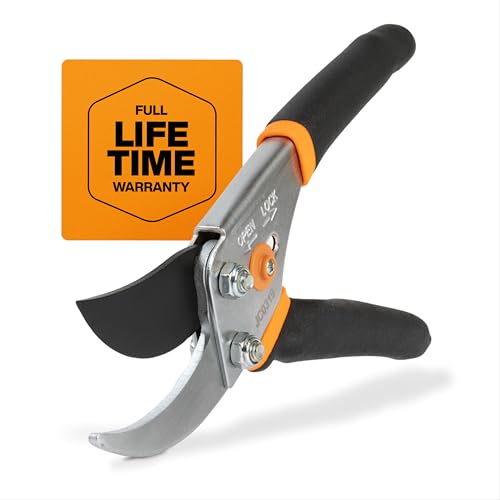
Fiskars Bypass Pruning Shears, 5/8" Cut Capacity Garden Clippers | Self-Cleaning Sap Groove Prevents Sticking, Non-Slip Grip for Cutting Stems & Branches, Steel Blades w/ Low-Friction Coating
Check price on AmazonFrequently Asked Questions
What should I check when buying a used riding lawn mower?
Start the engine cold, listen for unusual noises, test the blades under load, inspect the deck for rust holes, check the transmission for slipping, and verify all safety switches work. Also ask for maintenance records and check the hour meter if available. A thorough inspection and test drive are essential before committing.
How many hours is too many on a used riding mower?
For homeowner-grade machines, 500 hours is high and 1,000 hours is near the end of comfortable life. Commercial-grade mowers from brands like Kubota, Exmark, and higher-tier John Deere models can run past 1,500 hours with proper maintenance. Always balance hours against overall condition and service history.
Is it better to buy a used riding mower from a dealer or a private seller?
Dealers typically inspect and service used equipment before selling and may offer a limited warranty, providing more security. Private sellers can offer better value but carry more risk since you cannot verify maintenance history or condition claims as easily. For private purchases, insist on a cold start and a test drive on grass.
What are the most important red flags to watch for?
Walk away from a bent or cracked frame, a deck with rust holes, a hydrostatic transmission that whines or slips under load, persistent blue smoke after warm-up, milky oil, or bypassed safety switches. These signal either safety concerns or repairs that may exceed the machine's value.
How do I know if a used mower has been maintained properly?
Ask for maintenance records showing oil changes, blade sharpening, belt replacements, and other routine service. A well-documented history is a strong positive signal. Also check the condition of the oil, the air filter, and the blades — clean, sharp components suggest regular care.
Ready to Find Your Used Riding Mower?
Browse our curated selection of used riding mowers and essential maintenance accessories. Compare options, check availability, and find the right machine for your property.
VIEW AVAILABLE OPTIONSRelated Lawn Care and Equipment Guides
Keep your property in top shape with these related guides from Let Gardening:
- Learn about lawn fertilization and weed control services to maintain a healthy lawn between mows.
- Find lawn mower repair and pickup services if your used machine needs professional attention.
- Explore electric lawn mowers as an alternative for smaller properties or quieter operation.
- Use fuel stabilizer to protect your mower's engine during off-season storage.
- Discover natural ways to remove weeds to complement your mowing routine.
- Keep your equipment organized with garage organization and garage shelving solutions.
- For year-round property care, consider snow blowers and pressure washers.