How to Grow Tomatoes from Seeds from Fresh Tomatoes
Unlock the secrets of seed extraction, germination, and nurturing your own tomato plants from the fruits you love.
Start Growing Now →Growing tomatoes from seeds harvested from fresh tomatoes is a rewarding and cost-effective way to start your garden. Not only do you get to enjoy the exact variety you love, but you also gain deeper insight into the plant's life cycle. This guide walks you through every stage — from selecting the right tomato, extracting and preparing seeds, germination, transplanting, and ongoing care — so you can enjoy a bountiful harvest.
Step-by-Step Guide
1. Choose the Right Tomato
Start with a healthy, ripe tomato from a variety you enjoy. Heirloom or open-pollinated varieties are ideal because they produce seeds that grow true to type. Hybrids may not breed true, but they can still produce interesting plants. For best results, choose fully ripe, organic tomatoes.
- Heirloom: Brandywine, Cherokee Purple, Black Krim
- Cherry: Sungold, Sweet 100, Black Cherry
- Beefsteak: Big Boy, Beefmaster, Mortgage Lifter
👉 Pro Tip: If you're growing for sauce or canning, consider paste tomatoes like San Marzano or Roma.
2. Extract and Ferment the Seeds
Tomato seeds are surrounded by a gelatinous sac that inhibits germination. Fermentation mimics the natural process of rotting, removing this sac and improving germination rates.
- Scoop seeds from the tomato into a small container.
- Add a little water (about 1/2 cup) and cover loosely.
- Let sit at room temperature for 2–4 days, stirring daily. A layer of mold will form on top.
- After fermentation, add more water, stir, and let settle. Viable seeds will sink to the bottom.
- Pour off the floating pulp and mold, then rinse the good seeds in a fine sieve.
- Spread seeds on a paper plate or coffee filter to dry for 1–2 weeks. Avoid using paper towels, as they stick.
3. Germinate Your Seeds
Start seeds indoors 6–8 weeks before your last expected frost date. Tomatoes need warm soil (70–80°F) and consistent moisture to germinate.
- Containers: Use seed trays, peat pots, or recycled containers with drainage holes.
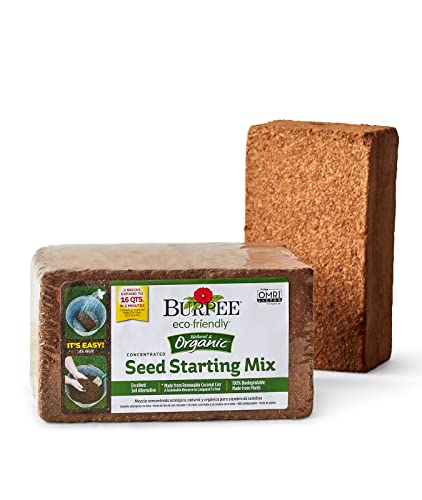
- Soil: Use a fine, well-draining seed-starting mix.
- Planting depth: Sow seeds ¼ inch deep, covering lightly with mix.
- Moisture: Mist the surface to keep evenly moist, but not waterlogged.
- Heat: Use a heat mat under the tray for faster germination (soil temp 75–85°F).
- Light: Once sprouted (in 5–10 days), provide 14–16 hours of bright light daily. A grow light can be very helpful.
4. Transplant Seedlings
When seedlings have at least two sets of true leaves and are 3–4 inches tall, they are ready for transplanting into larger pots or directly into the garden.
- Hardening off: Gradually expose seedlings to outdoor conditions over 7–10 days.
- Spacing: Plant 24–36 inches apart in rows 3–4 feet apart.
- Depth: Bury the stem up to the first set of leaves — tomatoes can root along the stem for a stronger plant.
- Soil: Amend with compost or aged manure. A balanced fertilizer helps establish roots.
- Support: Install stakes, cages, or trellises at planting time to avoid root disturbance later.
5. Ongoing Care & Maintenance
Tomatoes thrive with consistent care. Focus on watering, feeding, pruning, and pest management.
💧 Watering
Water deeply and consistently. Aim for 1–2 inches per week. Avoid overhead watering to prevent fungal diseases. Drip irrigation or soaker hoses are ideal.
🌿 Fertilizing
Feed with a fertilizer higher in phosphorus and potassium once flowering begins. Too much nitrogen leads to lush foliage but fewer fruits.
✂️ Pruning
For indeterminate varieties, remove suckers (side shoots) to direct energy to fruit production. Determinate types need minimal pruning.
🐞 Pest & Disease
Watch for common pests like aphids, hornworms, and whiteflies. Use natural methods or insecticidal soaps. Rotate crops each year to prevent soil-borne diseases.
6. Harvest & Enjoy
Tomatoes are ready when they reach their full color and yield slightly to gentle pressure. For the best flavor, allow them to ripen on the vine. If frost threatens, pick green tomatoes and ripen indoors.
- Harvest time: Usually 60–85 days after transplanting, depending on variety.
- Storage: Store at room temperature away from direct sunlight. Refrigeration can affect texture and flavor.
Determinate vs Indeterminate: Which One to Grow?
Understanding the growth habit of your tomato plant is crucial for proper care and space planning. Here's a quick comparison:
Determinate (Bush)
- Compact, bush-like growth
- Fruits ripen all at once
- Good for canning and sauces
- No heavy pruning needed
- Ideal for containers and small spaces
Indeterminate (Vining)
- Vining growth, can reach 6–12 feet
- Produces fruit continuously
- Ideal for fresh eating throughout season
- Requires staking and pruning
- Best for large gardens
Common Mistakes to Avoid
- Overwatering: Leads to root rot and fungal diseases. Water only when the top inch of soil is dry.
- Planting too early: Cold soil stunts growth. Wait until soil temperatures reach at least 60°F.
- Not hardening off: Sudden exposure to sun and wind can shock seedlings. Harden off gradually.
- Overcrowding: Poor air circulation invites disease. Follow spacing guidelines.
- Neglecting nutrition: Tomatoes are heavy feeders. Regular feeding with the right fertilizer is essential.
Final Thoughts: Grow Your Own, Savor the Flavor
Growing tomatoes from seeds from fresh tomatoes is a journey that connects you to your food in a meaningful way. With patience and care, you'll enjoy the incomparable taste of sun-ripened tomatoes from your own garden. Whether you're a beginner or an experienced gardener, this method is accessible, rewarding, and yields delicious results.
Ready to start? Gather your supplies, pick your favorite tomato, and begin your seed-saving adventure today!
⚠️ AFFILIATE DISCLOSURE: This website contains affiliate links. As an Amazon Associate, we earn from qualifying purchases. If you make a purchase through these links, we may receive a small commission at no additional cost to you. Read our full affiliate policy.