How to Take Care of Your Aloe Vera Plant
Everything you need to know about watering, light, soil, repotting, and propagation — keep your aloe thriving for years.
Aloe vera is one of the most popular and forgiving houseplants, but it still needs the right care to flourish. Whether you're a beginner or a seasoned plant parent, this guide covers exactly how to take care of your aloe vera plant — from watering schedules to light requirements, soil mixes, and even propagation. By the end, you'll have the confidence to keep your aloe healthy and even use its gel for natural skincare.
Let gardening be your guide to mastering this resilient succulent. With the right knowledge, your aloe will reward you with vibrant green leaves and, occasionally, beautiful orange flowers.
Aloe Vera Care at a Glance
☀️ Light
Bright, indirect sunlight. South- or west-facing windows are ideal. Avoid harsh afternoon sun that can scorch leaves.
💧 Water
Water deeply but infrequently. Let the soil dry completely between waterings. Reduce watering in winter.
🌱 Soil
Use a well-draining succulent or cactus mix. Add perlite or coarse sand to improve drainage.
🌡️ Temperature
Prefers 60–75°F (15–24°C). Protect from frost and cold drafts. Can be moved outdoors in summer.
🌿 Fertilizer
Feed with a balanced, diluted fertilizer once in spring and once in summer. Avoid over-fertilizing.
🔄 Repotting
Repot every 2–3 years or when root-bound. Use a pot with drainage holes, one size larger.
1. Light & Placement
Aloe vera thrives in bright, indirect sunlight. A south- or west-facing window is perfect. If you notice the leaves turning brown or yellow, it may be getting too much direct sun. On the other hand, if the leaves become pale and leggy, it needs more light. For indoor spaces with less natural light, consider supplementing with a grow light. Aloe can also be moved outdoors during warm months, but acclimate it gradually to prevent sunburn.
If you're looking for other low-light indoor plants safe for cats and dogs, you might enjoy our guide on pet-friendly greenery. For those who love succulents, our houseplant care guide covers many similar species.
2. Watering – The Golden Rule
The most common mistake with aloe is overwatering. Water only when the soil is completely dry — stick your finger about 2 inches into the soil; if it feels dry, it's time to water. When you water, give it a thorough soak until water runs out of the drainage holes, then empty the saucer. In winter, reduce watering to once every 3–4 weeks. If you're unsure, it's always safer to underwater than overwater.
Pro tip: Aloe leaves store water, so they can survive drought. Wrinkled or curling leaves are a sign of thirst, while mushy, yellow leaves indicate overwatering.
For more advice on watering different plants, check out our low-light houseplants care and general houseplant care articles.
3. Soil & Potting
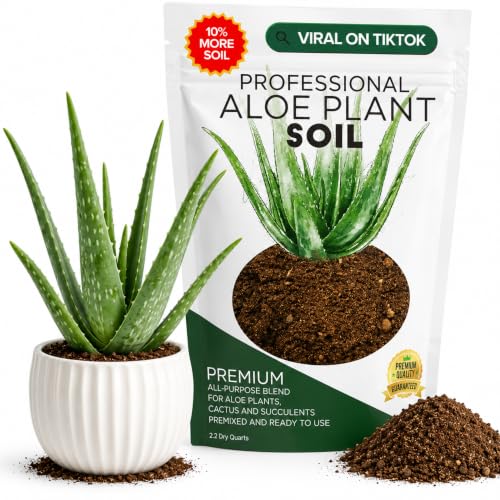
Aloe vera needs a well-draining soil mix to prevent root rot. Use a commercial cactus/succulent mix, or make your own by mixing equal parts potting soil, coarse sand, and perlite. Always choose a pot with drainage holes — terracotta pots are ideal because they wick away excess moisture. Repot your aloe every 2–3 years or when it becomes root-bound. Choose a pot that is only 1–2 inches larger in diameter to avoid excess soil that stays wet.
If you're setting up a succulent garden, you may also like our guide on best organic soil for raised beds (adjust for containers) or raised garden bed ideas for outdoor planting.
4. Temperature & Humidity
Aloe vera prefers average room temperatures between 60–75°F (15–24°C). It can tolerate temperatures down to 50°F (10°C) but protect it from frost. Aloe is not a fan of high humidity; it thrives in dry air, making it perfect for most homes. If you live in a very humid climate, ensure good air circulation and avoid overwatering.
For outdoor landscaping with drought-tolerant plants, see our low-maintenance ground covers and budget front yard landscaping ideas.
5. Fertilizing – Less is More
Aloe vera is a light feeder. Fertilize once in early spring and again in midsummer with a balanced liquid fertilizer diluted to half strength. Do not fertilize in fall and winter when the plant is dormant. Over-fertilizing can cause leaf burn and weak growth. If you want to boost blooming, use a fertilizer with a higher phosphorus content (like 10-40-10) in spring.
For other plants that benefit from organic feeding, explore our organic fertilizer and weed control guide.
6. Propagation – Grow New Aloe Plants
Aloe vera produces "pups" — small offsets that grow at the base of the mother plant. To propagate, wait until the pups are at least 3–4 inches tall and have their own roots. Carefully remove the mother plant from the pot, gently separate the pups, and plant them in their own small pots with fresh succulent soil. Water lightly and place in bright, indirect light. Within a few weeks, they'll establish and grow quickly.
Step-by-step: 1) Remove the mother plant from its pot. 2) Gently tease apart the roots and separate the pups. 3) Plant each pup in a small pot with drainage holes. 4) Wait a few days before watering to let roots heal. 5) Place in bright, indirect light.
If you enjoy propagating plants, you might like our articles on office plants that need no windows or large easy-care houseplants.
7. Common Problems & Solutions
- Yellow, mushy leaves: Overwatering. Let soil dry out completely and reduce watering frequency.
- Brown, crispy leaf tips: Underwatering or too much direct sun. Increase watering slightly and move to a shadier spot.
- Leggy, pale growth: Not enough light. Move to a brighter location.
- Pests (mealybugs, scale): Wipe with alcohol-soaked cotton swab or use neem oil.
- No pups: Plant may be young or stressed. Ensure proper care and patience.
For more pest-control tips, visit our clover removal guide or crabgrass control.
8. Frequently Asked Questions
Can I use aloe vera gel directly from the leaf? Yes! Cut a mature leaf, slice it open, and scoop out the gel. Use it for sunburns, minor cuts, or skincare. Always test on a small skin area first.
How often should I water my aloe? Typically every 2–3 weeks in summer and every 4–6 weeks in winter. Always check soil moisture first.
Can aloe grow outdoors? Yes, in USDA zones 9–11. It can be grown in containers or in the ground in well-draining soil.
If you're interested in other resilient plants, see our perennials for shade and full-sun perennials guides.
🌱 Ready to grow? Aloe vera is a wonderful plant to start with. With these care tips, your aloe will thrive and may even produce pups to share with friends. Let gardening bring you joy and wellness.