Crepe Myrtle Care Guide
Expert tips on planting, pruning, and growing stunning crepe myrtle trees. Transform your garden with these vibrant, low-maintenance flowering trees.
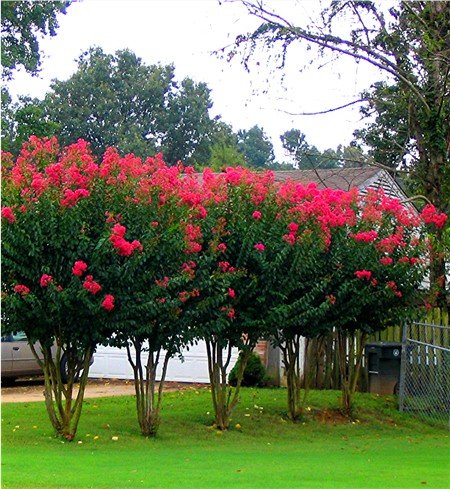
Crepe myrtle (Lagerstroemia) is a beloved flowering tree known for its spectacular summer blooms, attractive peeling bark, and vibrant fall foliage. Native to Southeast Asia, these trees have become a staple in gardens across the southern United States and many other temperate regions. Whether you're looking to add a splash of color to your landscape or create a beautiful focal point, crepe myrtles are an excellent choice.
Let Gardening help you master the art of growing crepe myrtles. In this comprehensive guide, you'll learn everything from selecting the right variety to pruning techniques that will keep your tree healthy and blooming beautifully year after year. If you're planning a larger backyard landscape design, crepe myrtles can be a stunning centerpiece.
Why Choose Crepe Myrtle? They are drought-tolerant, resistant to many common pests, and offer multi-season interest. With proper care, they can live for decades, providing beauty and shade for generations. They are also excellent for landscaping around pools or as part of a low-maintenance front yard.
Choosing the Right Crepe Myrtle Variety
Crepe myrtles come in a wide range of sizes, from dwarf shrubs perfect for small gardens to towering trees that provide shade. Selecting the right variety is crucial for ensuring your tree thrives in its space. Here are some popular categories and varieties to consider:
Dwarf Varieties
Great for small spaces, containers, or as foundation plantings. Examples: 'Pocomoke' (pink), 'Cherry Dazzle' (cherry red).
Medium Varieties
Ideal for many residential landscapes. Examples: 'Natchez' (white), 'Tuscarora' (coral-pink), 'Muskogee' (lavender).
Tall Varieties
Makes a dramatic statement. Examples: 'Miami' (dark pink), 'Dynamite' (red), 'Sioux' (pink).
When selecting a crepe myrtle, consider the mature height and width to ensure it fits your space. Dwarf varieties typically reach 3-5 feet, while standard trees can grow 20-30 feet or more. The landscape ideas for the front of your house often benefit from a medium-sized variety that adds height without overwhelming the facade.
How to Plant Crepe Myrtle Trees
Proper planting is the foundation for a healthy crepe myrtle. These trees prefer full sun (at least 6 hours of direct sunlight per day) and well-draining soil. While they are adaptable to various soil types, they perform best in slightly acidic to neutral conditions.
Step-by-Step Planting Guide:
- Choose the Right Location: Ensure the planting site receives full sun. Avoid planting too close to buildings or other trees to allow for proper air circulation and growth.
- Prepare the Hole: Dig a hole twice as wide as the root ball but no deeper. The top of the root ball should sit slightly above ground level to prevent waterlogging.
- Amend the Soil: Mix the native soil with compost or well-rotted manure to improve drainage and nutrient content. This is especially helpful if you're filling a raised garden bed or planting in clay-heavy soil.
- Watering: Water deeply after planting and continue to water regularly during the first growing season to establish a strong root system. Use a drip irrigation system for efficient watering.
Pro Tip: Mulch around the base of the tree (but not touching the trunk) to retain moisture and suppress weeds. A 2-3 inch layer of organic mulch like pine bark or wood chips works wonders.
Pruning Crepe Myrtle: The Right Way
Pruning is one of the most important aspects of crepe myrtle care, but it's often done incorrectly. The goal is to remove dead, diseased, or crossing branches and to shape the tree for optimal blooming. Avoid "crepe murder," the practice of topping the tree, which leads to weak, unsightly growth and fewer blooms.
When to Prune:
The best time to prune crepe myrtles is in late winter or early spring, just before new growth emerges. This timing allows you to see the tree's structure clearly and encourages vigorous spring growth and abundant summer blooms.
Understanding when to prune flowering trees is similar across many species; crepe myrtles bloom on new wood, so pruning in late winter promotes flowers.
Proper Pruning Techniques:
- Remove Suckers: Cut away suckers that grow from the base of the trunk to maintain a clean, single or multi-trunk form.
- Thin Out Branches: Remove crowded or crossing branches to improve air circulation and light penetration.
- Deadheading: Remove spent flower clusters (deadheading) can encourage a second flush of blooms in some varieties.
- Shape the Canopy: Maintain the natural vase-like shape by selectively pruning branches to the desired height and width. This is similar to techniques used when learning how to care for potted plants, where pruning helps maintain shape and health.
For those wondering what time of year to trim shrubs and trees, late winter is universally the best time for dormant pruning, and crepe myrtles are no exception.
Crepe Myrtle Care & Maintenance
Once established, crepe myrtles are relatively low-maintenance. However, following these care tips will ensure they remain healthy and vibrant.
Watering & Feeding:
During the first year, water your crepe myrtle deeply once a week during dry spells. After establishment, they are quite drought-tolerant. Fertilize in early spring with a balanced, slow-release fertilizer formulated for flowering trees. Avoid high-nitrogen fertilizers, which can promote leaf growth at the expense of blooms.
If you're also growing other plants like Christmas cactus indoors or lavender in pots, note that crepe myrtles have similar low-water needs once established.
Pest & Disease Management:
Crepe myrtles can be affected by aphids, powdery mildew, and Cercospora leaf spot. To prevent these issues, ensure good air circulation by proper pruning. If necessary, use neem oil or insecticidal soap for aphids. For fungal problems, copper-based fungicides can be applied as a preventative measure.
Natural pest control methods, like those used for getting rid of dandelions or crabgrass, often involve similar organic approaches. Maintaining overall plant health is the best defense against pests and diseases.
Propagating Crepe Myrtle
You can propagate crepe myrtles from seeds, cuttings, or through layering. However, growing from cuttings is the most reliable way to produce a new plant identical to the parent. Take softwood cuttings in early summer or semi-hardwood cuttings in late summer. Dip the cut ends in rooting hormone and plant in a well-draining potting mix. Keep the soil moist and provide indirect light until roots develop.
If you're interested in starting plants from seeds, the process is similar to understanding seed germination, but with longer timelines. For quicker results, cuttings are the way to go.
Crepe Myrtle Landscaping Ideas
Crepe myrtles are incredibly versatile and can be used in many ways to enhance your outdoor space. Their stunning flowers, attractive bark, and multi-season appeal make them a favorite among landscape designers.
- Focal Point: Plant a large, multi-trunk crepe myrtle as a centerpiece in your front yard. This is a common element in low-maintenance front yard landscaping.
- Privacy Screen: Use tall varieties planted in a row to create a beautiful, blooming privacy screen.
- Container Gardening: Dwarf varieties thrive in large containers, perfect for patios and balconies. This is an excellent option if you're looking for small front yard ideas.
- Companion Planting: Pair crepe myrtles with lower-growing perennials like Coreopsis or ornamental grasses to add texture and color contrast.
- Poolside Trees: Their weeping branches and non-messy flowers (some varieties are sterile) make them ideal for landscaping around above-ground pools.
Troubleshooting Common Crepe Myrtle Problems
Even with the best care, you might encounter a few issues. Here's how to identify and solve them:
- Powdery Mildew: Look for white, powdery spots on leaves. Improve air circulation and apply a fungicide if severe.
- No Blooms: Often caused by over-fertilizing with nitrogen, too much shade, or pruning at the wrong time. Ensure full sun and proper pruning. Understanding plant growth patterns can help you appreciate why pruning time matters.
- Bark Damage: Crepe myrtles have thin bark that can be damaged by lawn equipment. Protect the trunk with a tree guard or mulch ring.
Did You Know? The peeling bark of crepe myrtles is one of their most attractive features. This natural shedding is completely normal and adds winter interest to the garden.
Now that you're equipped with expert knowledge, it's time to bring the beauty of crepe myrtles to your garden. Whether you're adding a single tree or planning a whole landscape, these stunning plants will reward you with years of vibrant blooms. For more inspiration, explore our gardening tips and landscaping ideas.